In this article
TL;DR
A strong concept testing tool now goes beyond simple concept testing surveys. Modern platforms help you test concepts with the right target audience using video interviews, AI moderation, and fast thematic analysis, so teams can compare ideas quickly and move from data collection to actionable insights within hours.
Shortlist:
Conveo: AI-moderated video interviews with thematic analysis in one workflow
Qualtrics: advanced concept testing survey infrastructure and enterprise integrations
UserTesting: rapid user testing and direct consumer feedback on early product ideas
Discuss: moderated and async interviews for qualitative depth
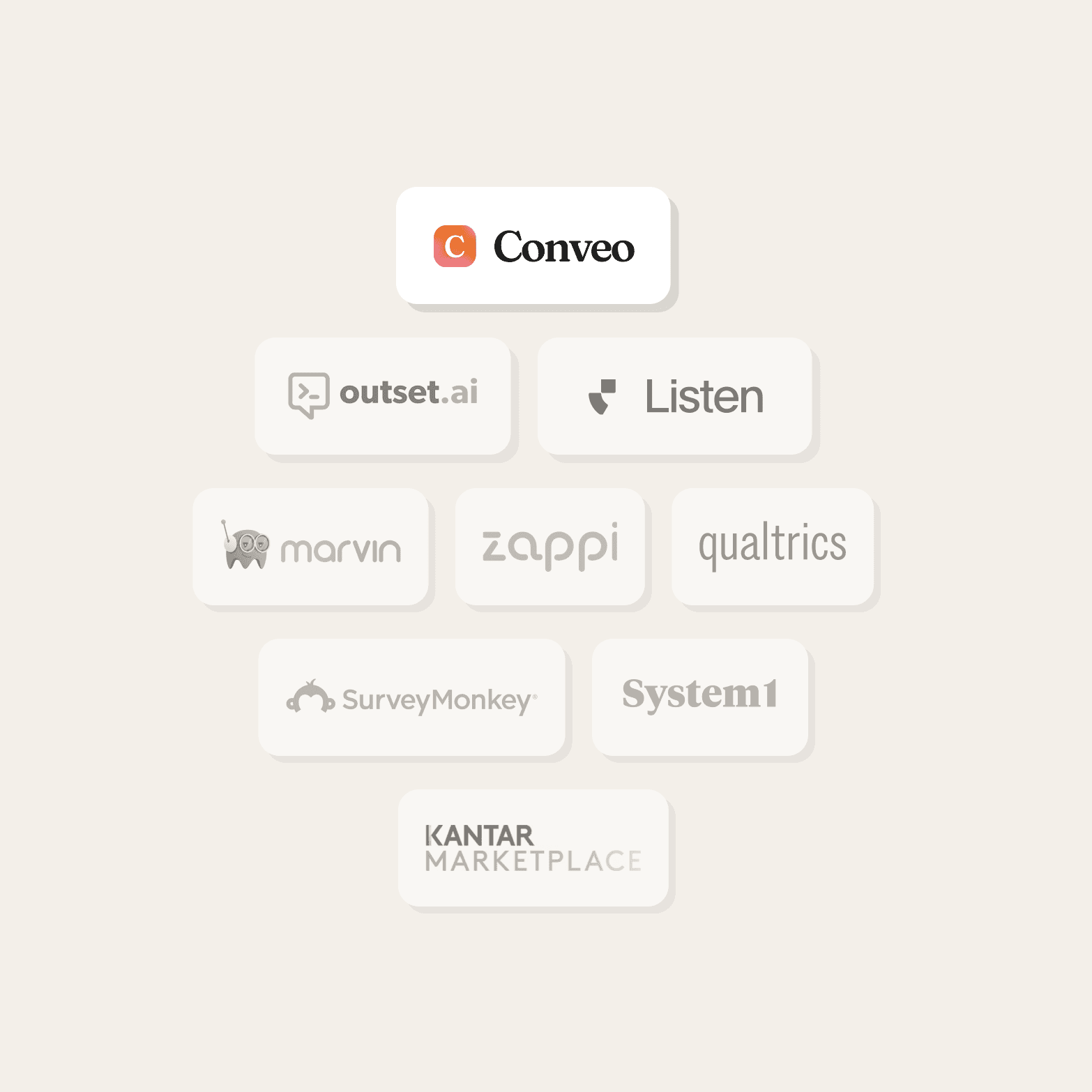
Suzy: fast-turn concept testing with panel access and quick touch pulse surveysConveo is best suited for teams replacing agency-led concept testing or evaluating multiple product ideas quickly, with stakeholder-ready insights from video interviews, rather than fragmented survey and manual analysis workflows.
Concept testing rarely fails because teams skip it. It fails because results arrive too late or reduce reactions to survey scores that don’t guide real decisions.
By the time findings are ready, stakeholders have aligned on a direction, and alternative concepts are never properly explored.
Platforms like Conveo reflect how concept testing has shifted beyond survey-first validation toward earlier, conversation-driven insight. Instead of confirming which concept performs best before launch, research teams can now compare multiple directions early enough to shape what gets built.
As a fully AI-powered video interview platform, Conveo combines AI-moderated interviews with thematic analysis into a single workflow, helping teams move from idea screening to stakeholder-ready insights in days rather than weeks.
How have concept testing tools changed?
Traditional concept testing tools were built around survey-based comparison methods such as monadic testing and concept scoring across segments. They help teams identify which concept performs best, but rarely explain why it performs that way in real contexts, such as usage experiences.
The concept testing category has expanded beyond survey-based comparison toward platforms that capture reactions through conversation, video interviews, and thematic analysis during active testing. Instead of producing only statistical rankings, they generate early directional insight that teams can use to shape concepts before launch, especially in environments like the tech industry and retail industry.
Most concept testing software falls into two categories:
Quant-first tools built around survey scoring and statistical significance
Qual-first tools designed to capture reactions through conversation and thematic insight
This article focuses on platforms suited for qualitative and mixed-methods teams that need clear direction on what to change, not just which concept ranks highest.
Concept testing tools compared: Feature and fit overview
Different concept testing tools answer different types of research questions. This comparison highlights methodology, stimulus support, recruitment access, and analysis depth so you can quickly identify which platforms match qualitative or mixed-methods concept evaluation needs.
| Tool | Primary method | Stimulus types | Built-in recruitment | AI analysis | Best fit |
|---|---|---|---|---|---|
| Conveo | AI-moderated video qual | Video, concepts, prototypes | Yes | Thematic + conversational | Qual-first teams |
| Qualtrics | Survey-based quant | Concepts, images, text | Panel integrations | Statistical | Enterprise tracking |
| UserTesting | Task-based user testing | Prototypes, UX flows | Yes | Auto summaries | UX validation |
| Discuss | Interviews + focus groups | Video, concepts | Panel integrations | GenAI themes | Moderated qual |
| Suzy | Quant pulse surveys | Images, messaging | Yes | Auto analytics | Fast reactions |
| dscout | Diary + interview qual | Video, journaling | Yes | AI tagging | Longitudinal qual |
| Remesh | Live AI-moderated groups | Messaging, concepts | Panel integrations | NLP clustering | Large-group qual |
| Zappi | Automated quant testing | Ads, packaging | Yes | Predictive models | CPG concept tests |
| Survey | Survey-based quant | Text, images | Panel add-on | Basic analytics | Lightweight surveys |
Time to look more closely at tools suited for qualitative and mixed-method teams working on early-stage concept refinement and decision-ready insight generation.
The 9 best concept testing tools for research and insights teams
Some concept testing platforms are built to score concepts quickly. Others help you understand why people respond the way they do, what to change, and which idea deserves more investment.
The tools we shortlisted cover both ends of the category, from qual-first platforms to survey software for concept testing, so you can choose the right fit for your team, target audience, and decision stage.
1. Conveo: Best for qualitative teams running AI-moderated video concept testing at scale
Best for:
Insights and product teams that need to test concepts with specific demographics and generate qualitative feedback across multiple concepts without manual analysis bottlenecks.
How it handles concept testing:
Conveo supports product concept testing through AI-moderated video interviews in which participants respond to ideas in their own words.
A typical workflow looks like this:
Upload one or multiple concepts
Recruit participants from your target audience
Capture direct consumer feedback through video interviews
Compare reactions across multiple concepts
Generate structured insights in just a few hours
Built-in participant recruitment, automated transcription, and structured data analysis help teams move from qualitative feedback to reliable insights without running focus groups or stitching together traditional surveys and manual analysis.
Standout capability:
AI moderation runs interviews for you, surfaces early insights and key themes automatically, and reduces the need to schedule sessions or review hours of recordings before sharing findings with stakeholders.
See Conveo's AI moderation in action:

One tradeoff to know:
Teams that rely heavily on monadic testing, preference tests, or quantitative data scoring may still pair Conveo with a survey platform when statistical validation is required alongside qualitative depth.
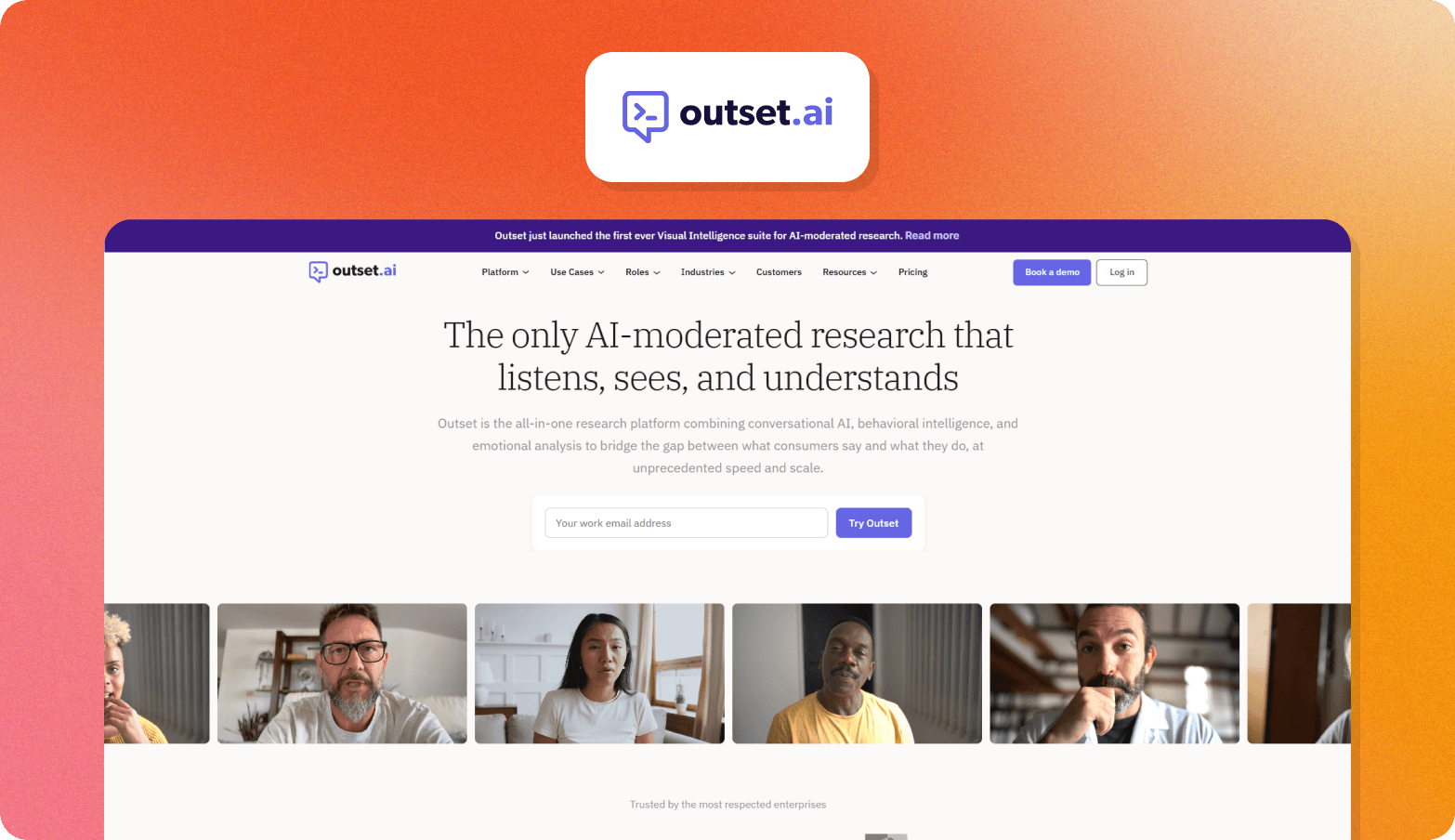
2. Outset: Best for teams exploring concepts asynchronously with AI interviews
Best for:
Research and product teams that want fast qualitative feedback from a distributed target market without scheduling live sessions.
How it handles concept testing:
Outset supports concept testing through asynchronous AI-led interviews that collect qualitative feedback on product ideas at scale.
Teams can test concepts with specific demographics, compare reactions across multiple concepts, and gather insights without running focus groups or traditional surveys.
Standout capability:
Asynchronous interviews make it easier to analyze feedback and reach key findings faster across time zones and participant groups.
One tradeoff to know:
Teams often pair Outset with a survey platform when structured benchmarking or quantitative concept testing surveys are required.
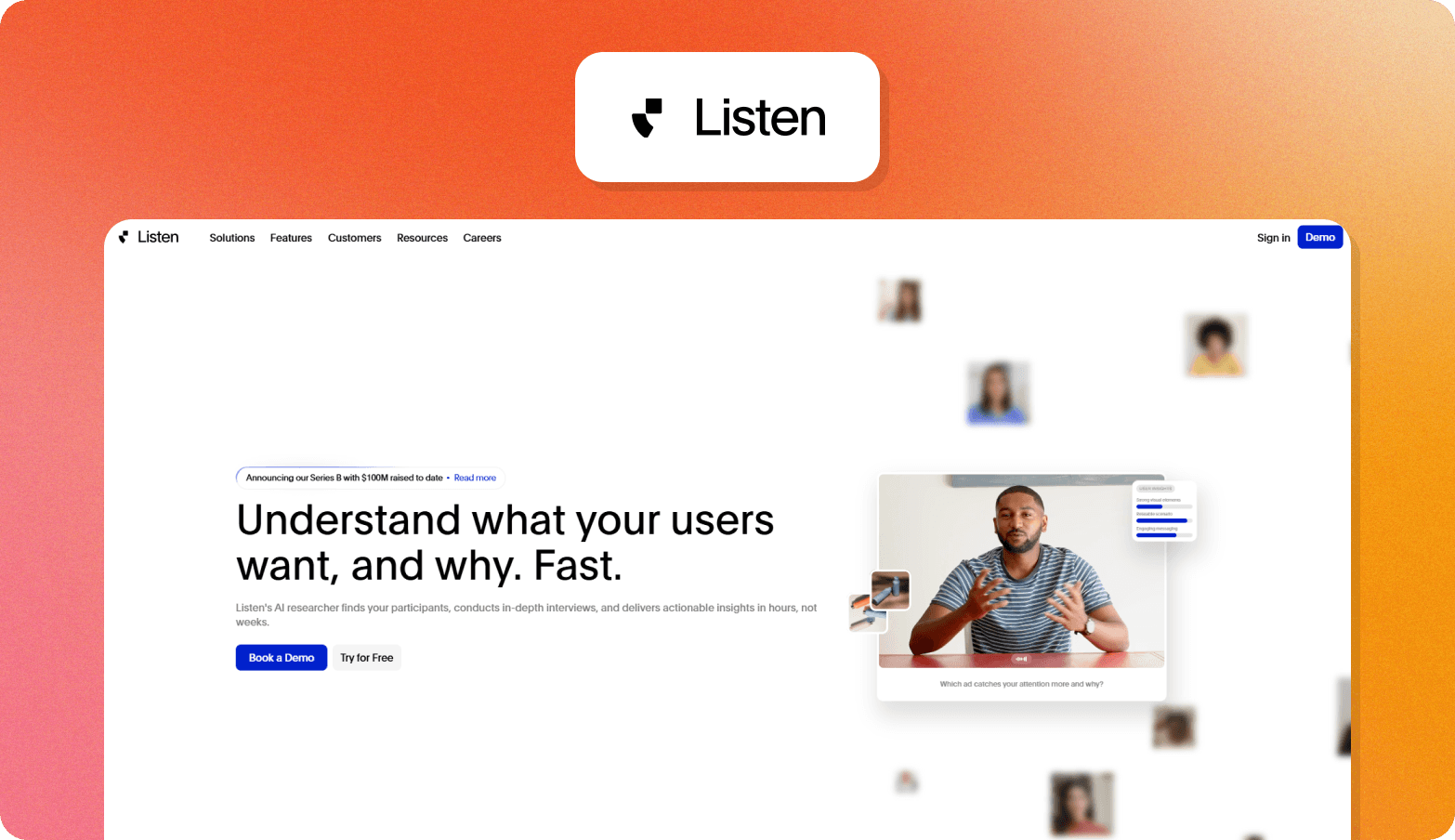
3. Listen Labs: Best for enterprise teams running high-volume automated interviews
Best for:
Insights teams that need to test concepts quickly across large samples without scaling the moderation effort.
How it handles concept testing:
Listen Labs uses an automated concept-testing platform, running AI-led interviews in parallel across large participant groups.
Teams can compare multiple concepts, gather direct feedback from a defined target audience, and move from responses to structured findings with less manual review.
Standout capability:
High-throughput interviewing makes it easier to gather insights continuously across large studies.
One tradeoff to know:
Teams report that studies needing deeper probing or more flexible qualitative research flows may still benefit from moderated approaches.
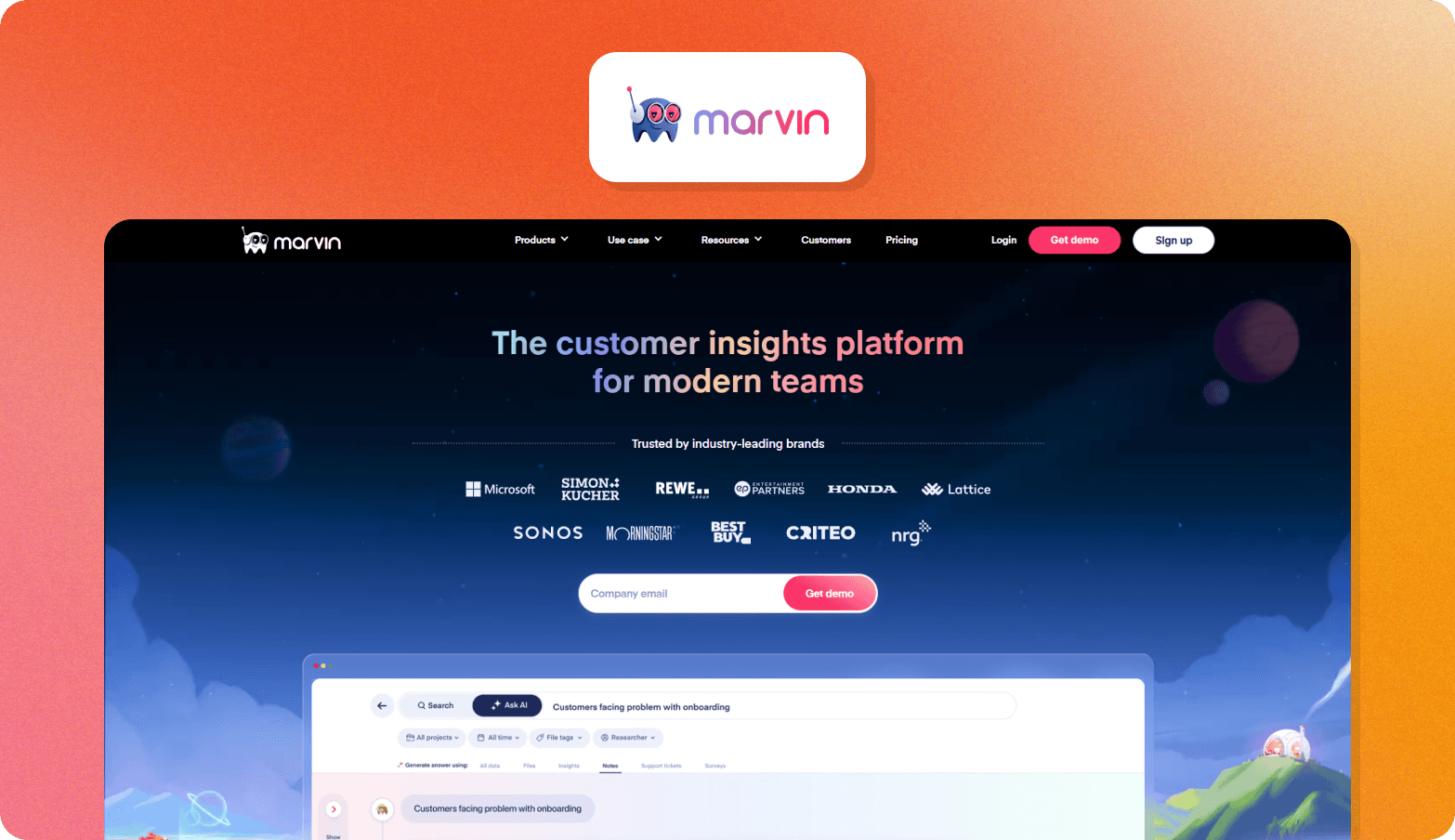
4. Marvin: Best for teams organizing and analyzing concept testing insights at scale
Best for:
Research teams managing ongoing concept programs that need a central place to analyze feedback across studies.
How it handles concept testing:
Marvin is not a product concept testing platform for stimulus exposure.
It supports concept testing after interviews, user testing, or surveys by helping teams analyze feedback, surface key themes, and connect findings across studies for a deeper understanding.
Standout capability:
Repository-level analysis helps teams spot patterns across studies instead of reviewing each round in isolation.
One tradeoff to know:
Because Marvin focuses on synthesis, teams usually pair it with a dedicated testing tool for recruitment and live data collection.
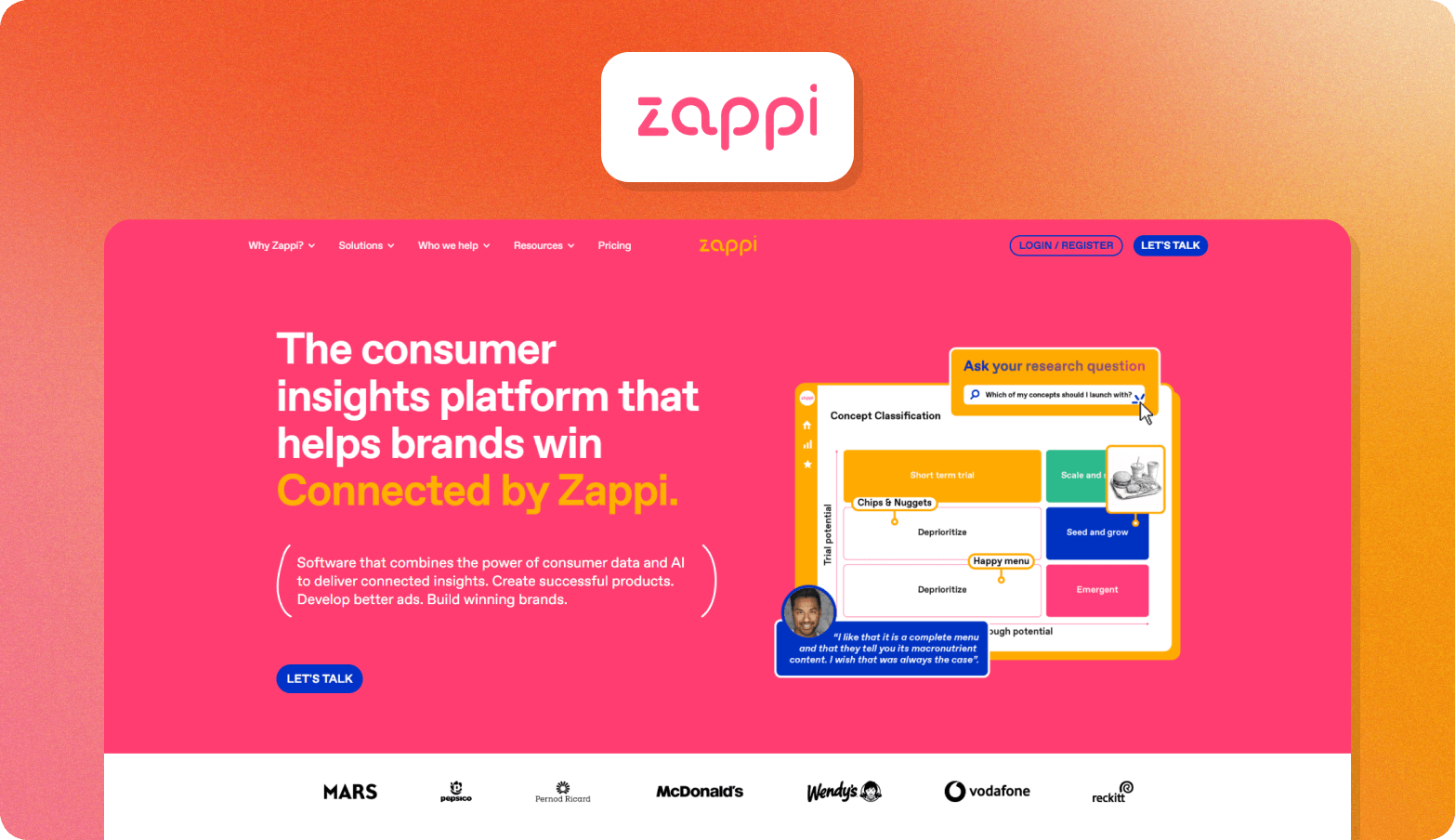
5. Zappi: Best for quant-first innovation teams needing fast benchmarking
Best for:
Product and innovation teams that need structured concept scoring before product launch decisions.
How it handles concept testing:
Zappi supports product concept testing through automated surveys, benchmarking, and predictive analytics.
Teams can test concepts, compare key metrics, and evaluate new ideas against norms, which is why buyers often shortlist it as one of the top concept-testing software options for new products.
Standout capability:
Benchmarking and predictive analytics help teams assess likely performance before launch.
One tradeoff to know:
Teams often combine Zappi with qualitative research methods when they need more context on why concepts performed the way they did.
6. Qualtrics: Best for organizations already invested in the Qualtrics ecosystem
Best for:
Enterprise research teams running concept testing inside an existing survey platform and experience management workflow
How it handles concept testing:
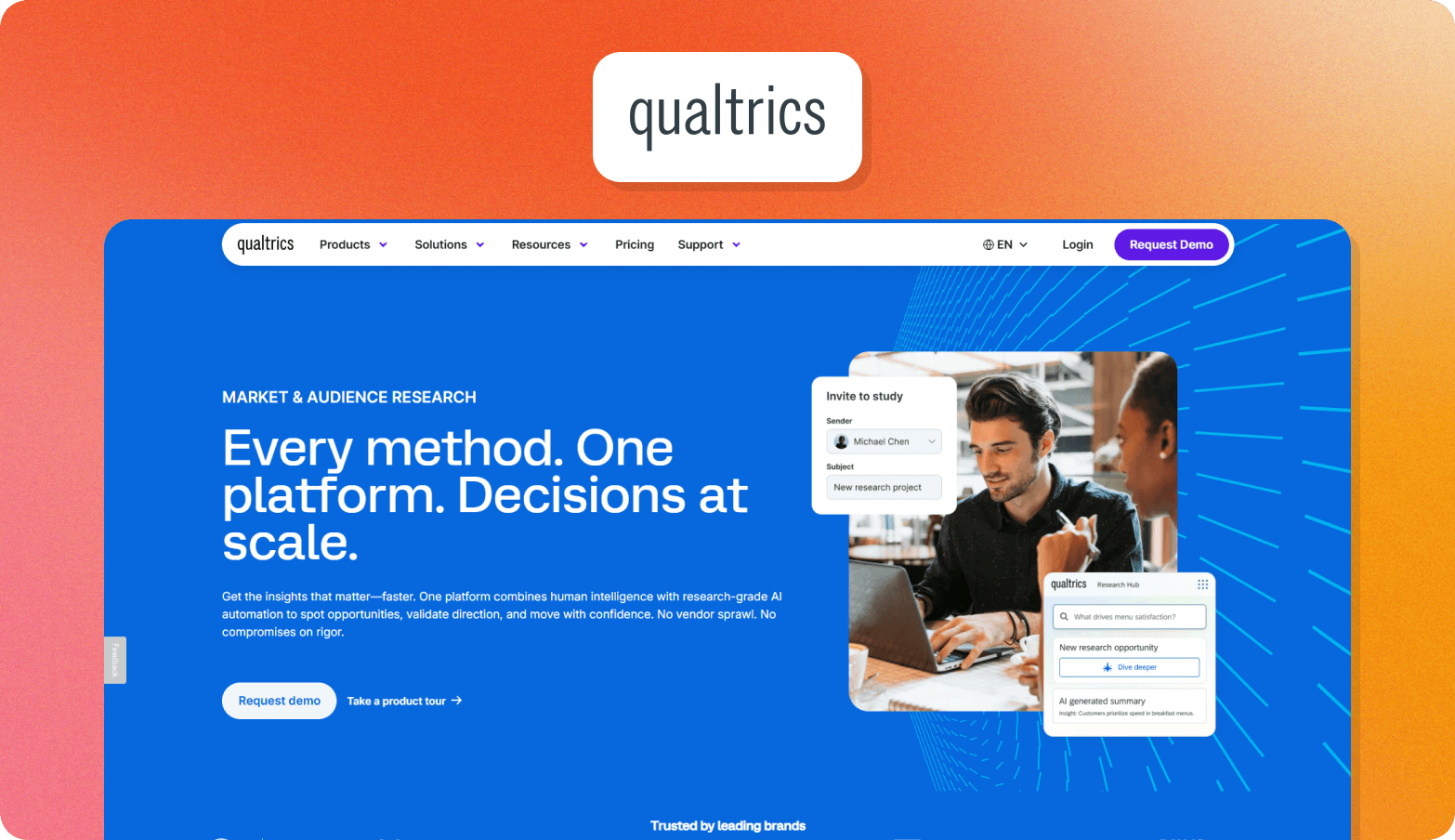
Qualtrics supports concept testing through configurable concept testing surveys, audience targeting, and flexible questionnaire design across multiple testing methods.
Teams can evaluate product ideas with existing users or new segments, collect quantitative data at scale, and connect results to broader customer experience data analysis programs.
Standout capability:
Integration with existing research infrastructure makes it easier to run concept testing alongside tracking, segmentation, and experience measurement.
One tradeoff to know:
Teams report that building advanced concept-testing workflows may require more setup effort than purpose-built concept-testing platforms.
7. SurveyMonkey: Best for lightweight concept screening with fast survey-based testing
Best for:
Teams that need quick idea screening before investing in deeper research.
How it handles concept testing:
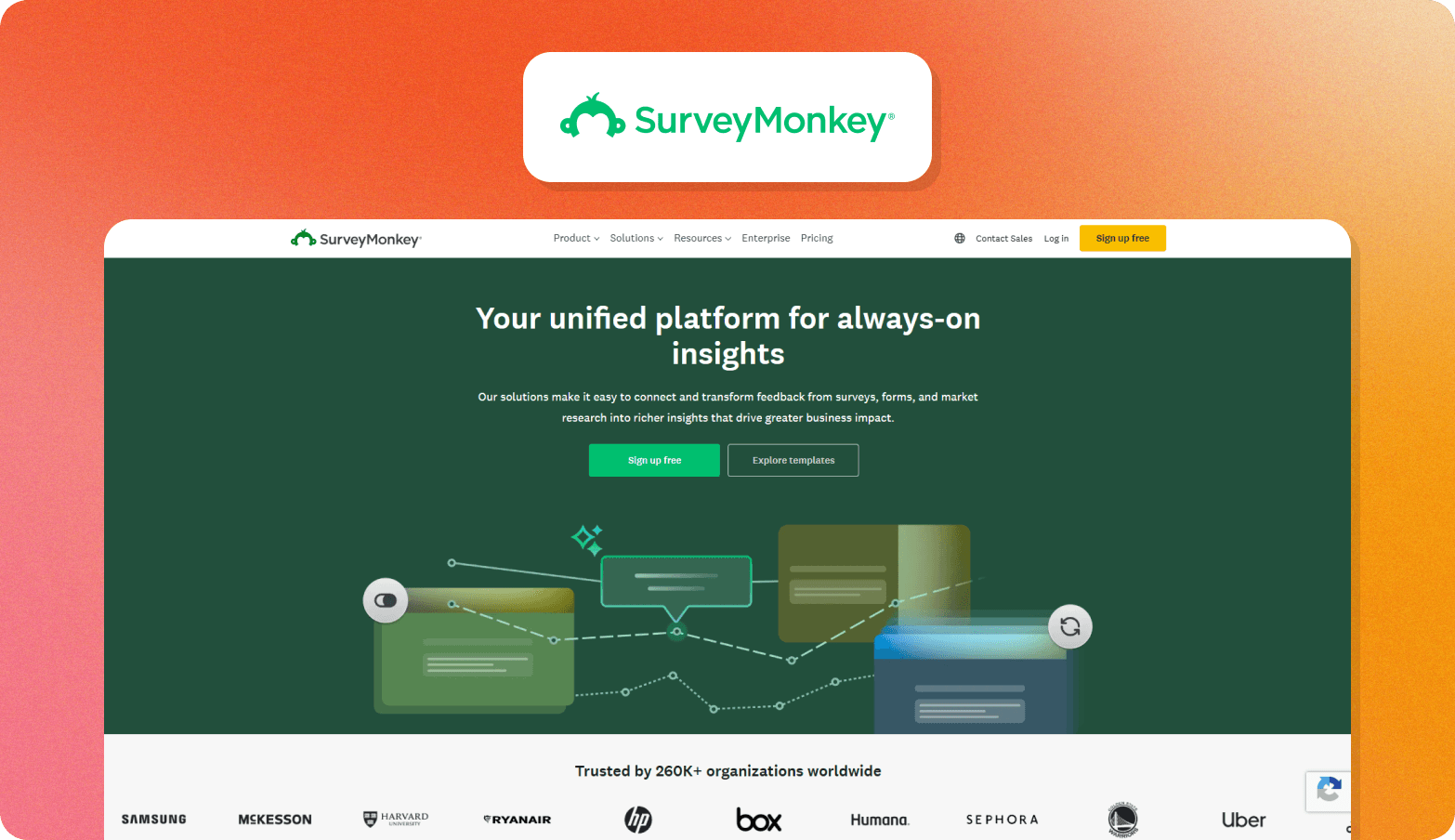
SurveyMonkey is classic survey software for concept testing.
Teams can use survey templates to compare multiple concepts, gather quantitative feedback from a target market, and screen early product ideas in just a few clicks.
Standout capability:
Its intuitive interface makes it easy for lean teams to launch basic concept testing.
One tradeoff to know:
Teams often move to more advanced platforms when they need predictive analytics, richer qualitative feedback, or stakeholder-ready reporting.
8. System1: Best for creative and ad concept testing with emotional response scoring
Best for:
Marketing teams testing campaigns and creative concepts, especially in consumer packaged goods.
How it handles concept testing:
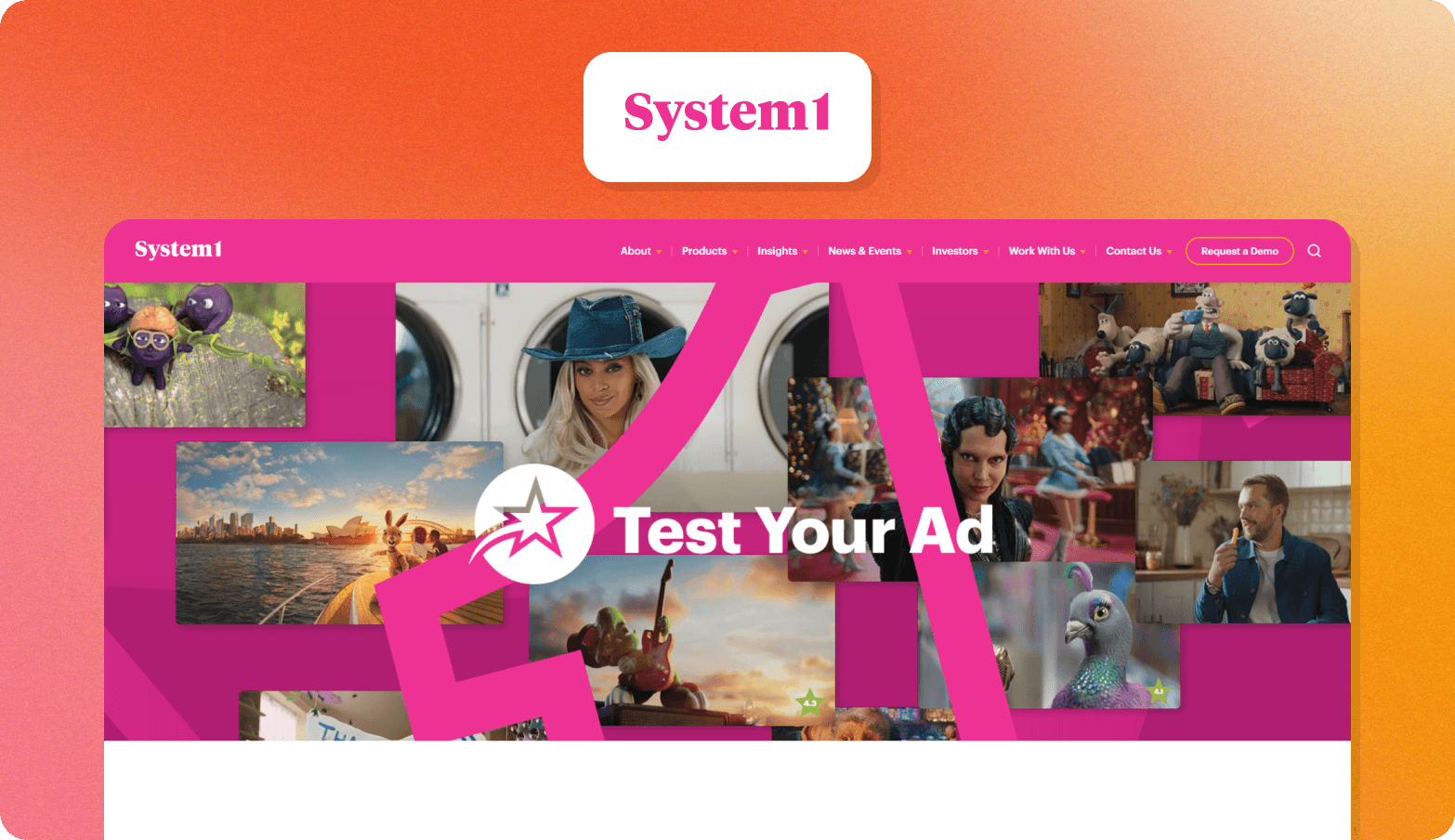
System1 focuses on emotional response and creative effectiveness rather than on broader product-concept workflows.
It can be useful for campaign evaluation, marketing efforts, and narrower use cases, such as concept-testing tools for new menu items, where fast response signals matter more than exploratory depth.
Standout capability:
Emotion-based scoring helps teams gauge interest in creative directions before launch.
One tradeoff to know:
One consideration is that System1 is more specialized than broader-concept testing platforms designed for iterative product exploration.
9. Kantar Marketplace: Best for enterprise teams needing normative benchmarking across markets
Best for:
Large organizations running structured concept testing programs across markets and categories.
How it handles concept testing:
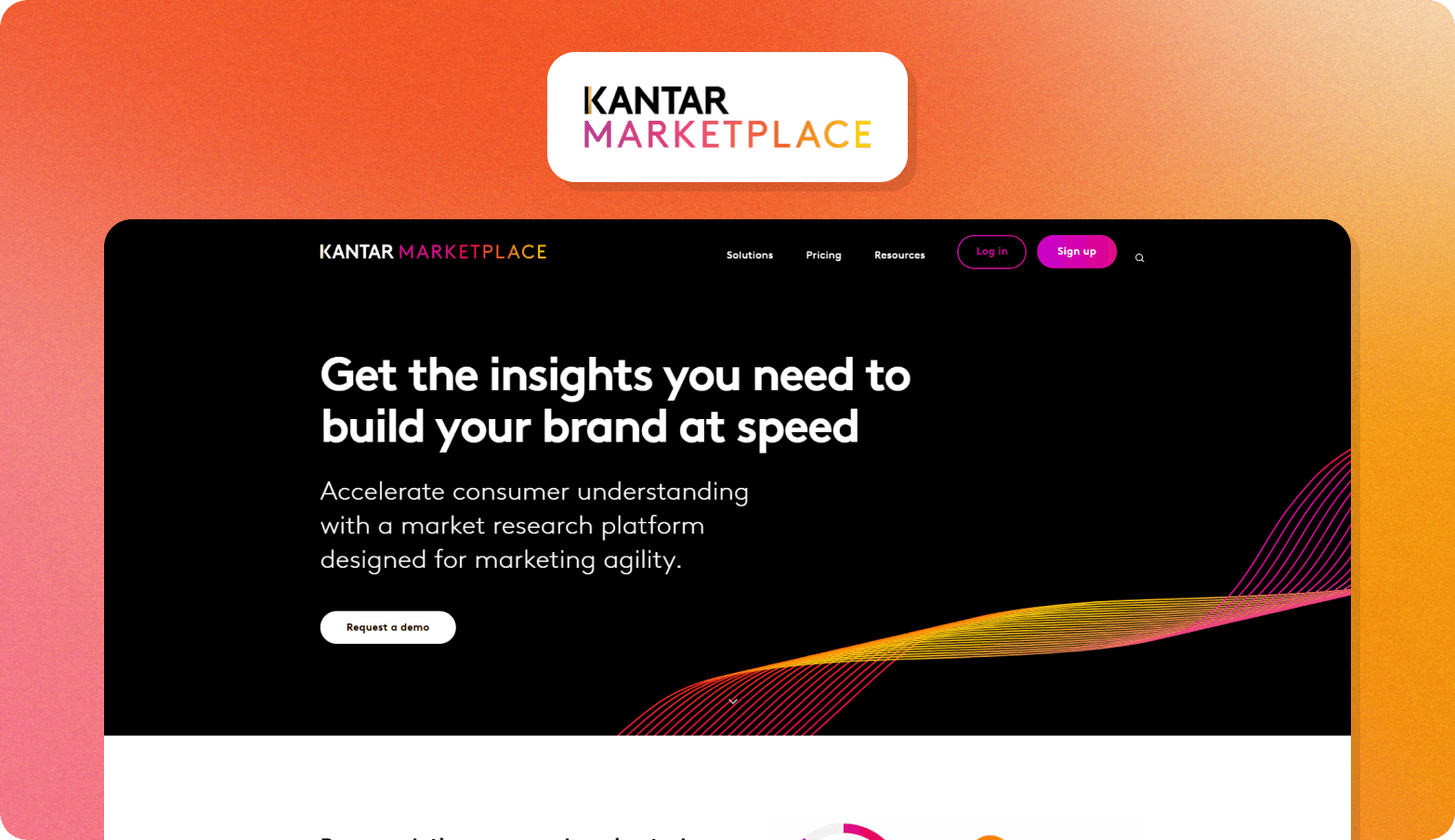
Kantar Marketplace supports standardized testing methods with large panels, benchmarking, and comparative scoring.
It is often considered one of the top platforms for concept testing when teams need enterprise-scale validation, strong norms, and repeatable methods across regions.
Standout capability:
Access to large normative datasets helps teams compare concepts against category expectations.
One tradeoff to know:
Teams report that setup can feel heavier than with lighter-weight tools built for rapid iteration.
Now that you've gone through the list, you'll know that no single concept testing tool fits every team. Some help you benchmark performance. Others help you understand reactions and improve ideas before launch.
Choose the one that matches the kind of decision you need to make.
5 criteria to look for in a concept testing tool
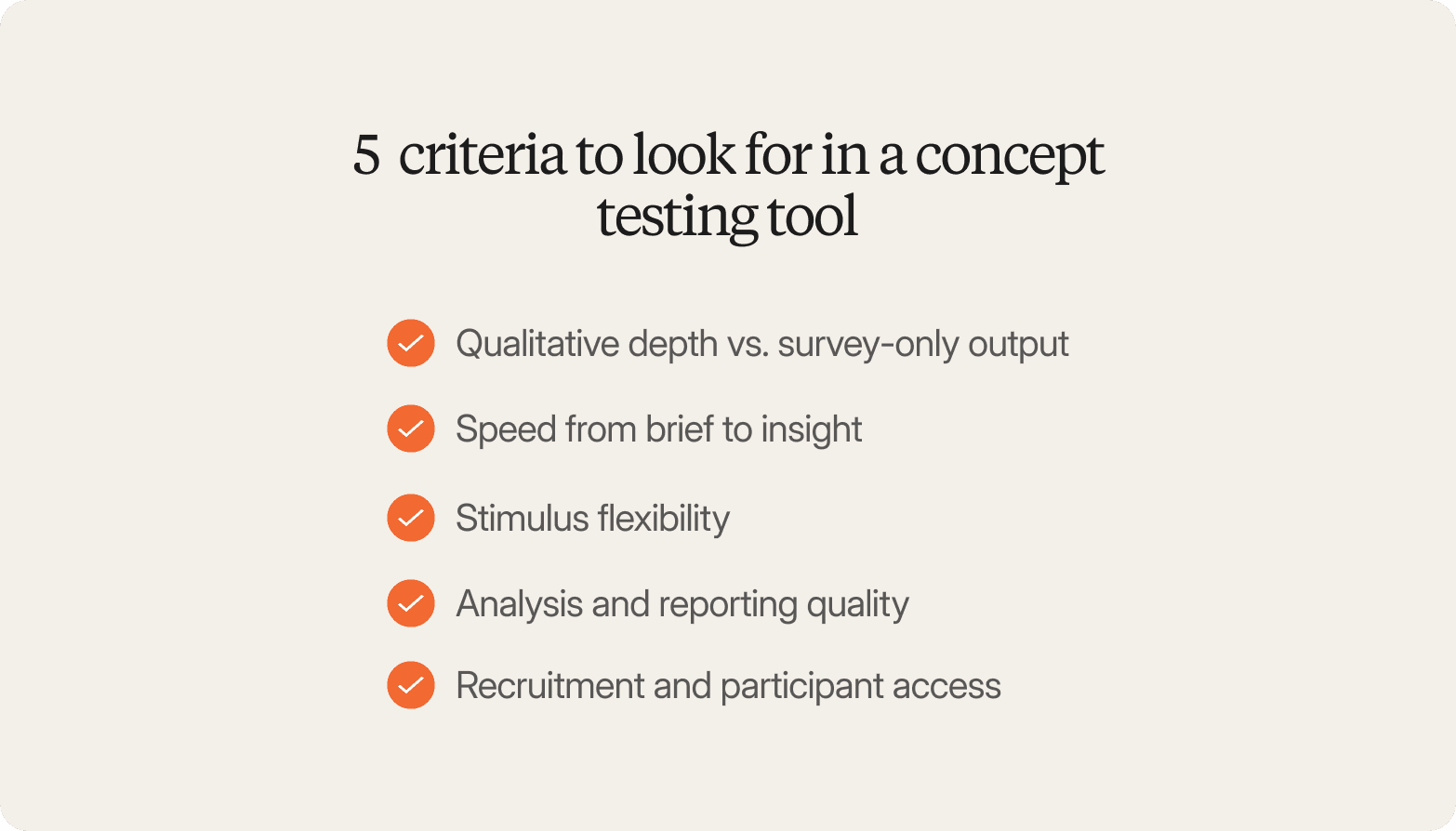
Choosing a concept testing tool is less about features and more about how your team makes product decisions under time pressure. These criteria help research and insights teams select platforms that support real innovation workflows, not one-off tests.
1. Qualitative depth vs. survey-only output
Survey scores tell you which concept performed better. They rarely explain what to improve.
Teams running active innovation pipelines usually need feedback that helps refine ideas before launch, not just rank them. Qualitative depth turns concept testing into iteration, not validation alone.
2. Speed from brief to insight
Concept testing used to take weeks. For most research teams today, the expectation is days.
Faster cycles mean more opportunities to test concepts earlier, compare directions, and support roadmap decisions before stakeholders commit to a single path.
3. Stimulus flexibility
Concept decisions are only as strong as the material people react to.
Teams working in consumer packaged goods, retail, beauty, or product innovation often need to test packaging, video, prototypes, or storyboards, not just text descriptions. Flexible stimulus support makes concept feedback closer to real launch conditions.
4. Analysis and reporting quality
Concept testing only creates value when findings are easy to act on.
Look for tools that surface themes, language, and patterns clearly enough to support stakeholder decisions. Modern platforms go beyond the traditional concept of software testing by helping teams move from responses to direction quickly.
5. Recruitment and participant access
Access to the right participants shapes how often teams can test ideas, not just how well.
Built-in recruitment makes it easier to validate concepts with new audiences, emerging segments, or unfamiliar markets without relying on agencies or long setup cycles.
These criteria help narrow the field quickly. Once you know whether your priority is scoring concepts or improving them, the right type of tool becomes much easier to choose.
When the goal is to learn what to change before launch, not just which concept wins, AI-moderated interviews become hard to ignore.
How Conveo approaches concept testing
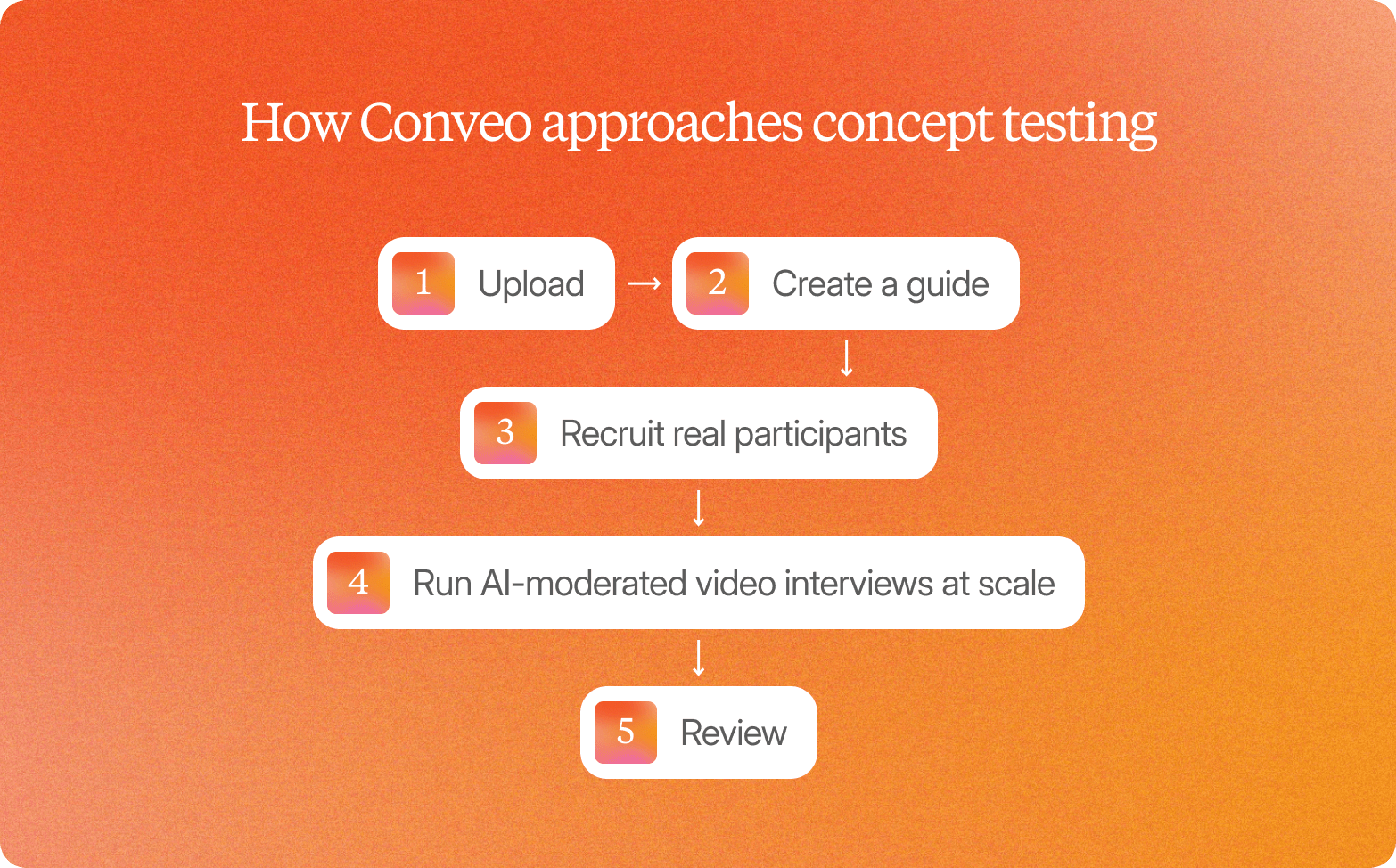
Concept testing is most valuable before decisions are locked in. Conveo helps teams gather consumer feedback early, so they can refine concepts rather than react to late-stage surprises.
A typical workflow looks like this:
Upload concept stimuli such as packaging, messaging, storyboards, or product ideas
Create a focused discussion guide
Recruit real participants from your target audience
Run AI-moderated video interviews at scale
Review themes, highlight reels, and structured insight reports
Interviews are conducted with real participants, not synthetic responses. Multimodal analysis automatically connects video, transcripts, and behavioral signals such as voice and tone, helping teams identify patterns without manual synthesis.
Most studies move from brief to insight in days. Findings accumulate in a searchable knowledge library, so each round of concept testing strengthens the next.
Teams use this workflow to identify weak concepts earlier, refine messaging faster, and move into product decisions with stronger evidence.
Frequently Asked Questions
What types of concepts can be tested using these tools?
Most concept testing tools support product ideas, packaging mockups, ad storyboards, messaging territories, pricing concepts, feature sets, and early prototypes. Advanced platforms also support video concepts and multi-stimulus comparisons across formats.
How long does concept testing take with modern tools?
Modern concept testing typically takes a few days from brief to insight. Survey-based studies can return results faster but with less depth. AI-moderated qualitative testing delivers detailed feedback within days instead of weeks.
How many participants do you need for a concept test?
Quantitative concept testing often requires 100 to 300 participants per concept. Qualitative concept testing typically uses 10 to 40 participants to identify themes, reactions, and improvement opportunities.
Can AI replace human moderators in concept testing?
AI moderators can run large numbers of structured interviews, probe responses, and surface themes automatically. Human moderators are still useful for highly sensitive topics or complex exploratory research.
What’s the difference between a concept testing tool and a survey platform?
A concept testing tool supports stimulus exposure, participant reaction, and structured insight generation. A survey platform primarily collects responses through questionnaires and is best suited for scoring and benchmarking concepts.
How do I know if qualitative concept testing outputs will be credible to my stakeholders?
Credibility comes from using real participants, clear sampling criteria, recorded evidence, and traceable themes linked to research questions. Highlight reels, verbatim responses, and structured summaries make findings easier to defend internally.

About the author
Florian Hendrickx
Head of Growth
Florian is Conveo’s Chief Growth Officer, leading growth strategy and go-to-market execution as the company scales. He’s held growth leadership roles at companies like Deliverect, Robovision, and Aikido Security, and brings hands-on experience across marketing, sales, and product.
More by Florian →Qualitative insights at the speed of your business.
Conveo runs AI-moderated video interviews and structures everything they say.