In this article
At a glance
Companies operate on yearly cycles. Consumers live by the day. Google's EMEA Market Insights team closed that gap by being always on: a single program asks the same broad questions in every market, continuously, so each new interview adds to the ones before it. When the business asks a question, the conversations that answer it have already happened.
"Annual research cycles are an artificial way of working, because we budget annually and we plan things annually. But consumers, they just live. The only way to answer the questions that the business is placing to us is to be always on."
Pablo Pérez, EMEA Market Insights, Google
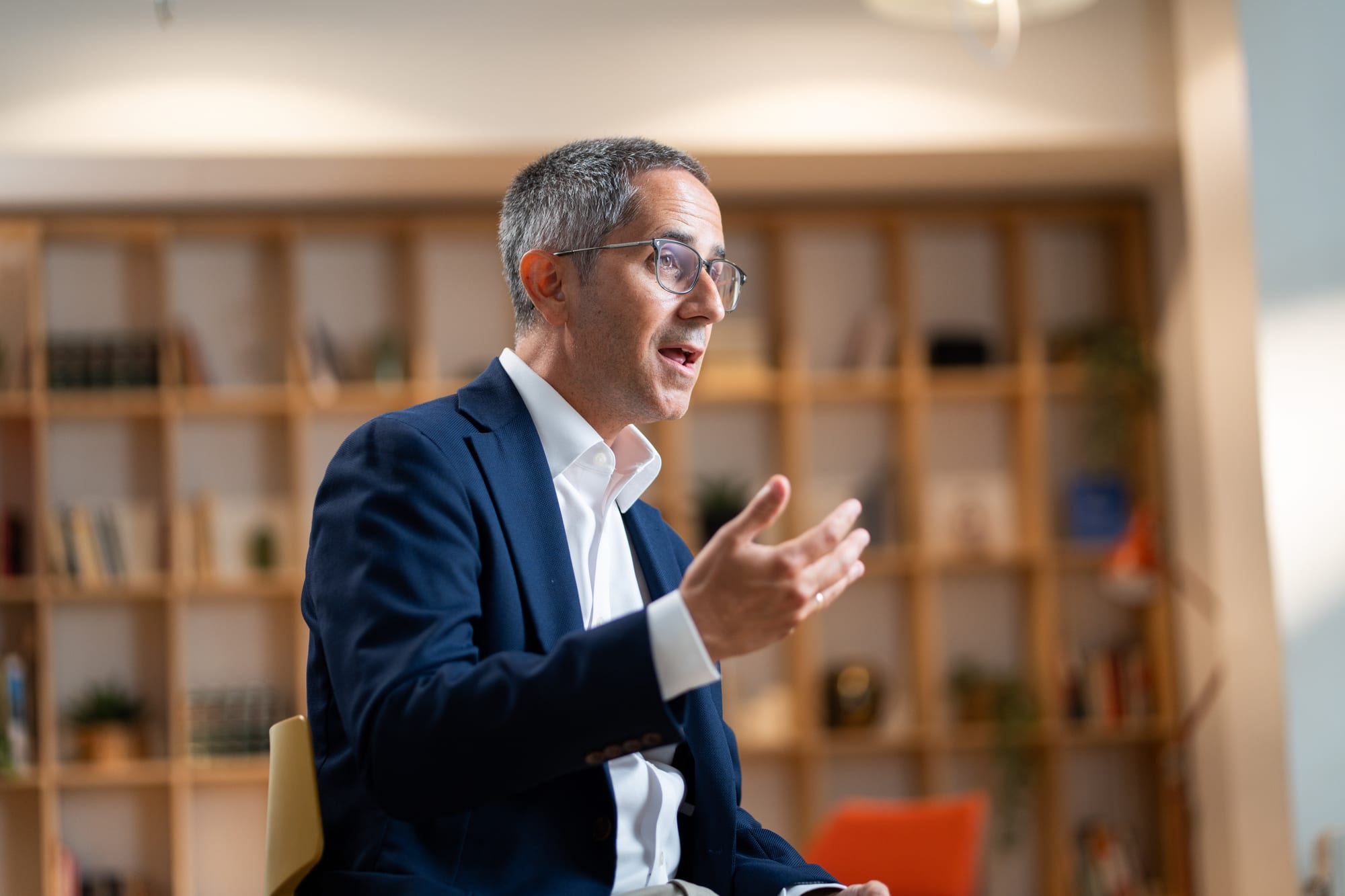
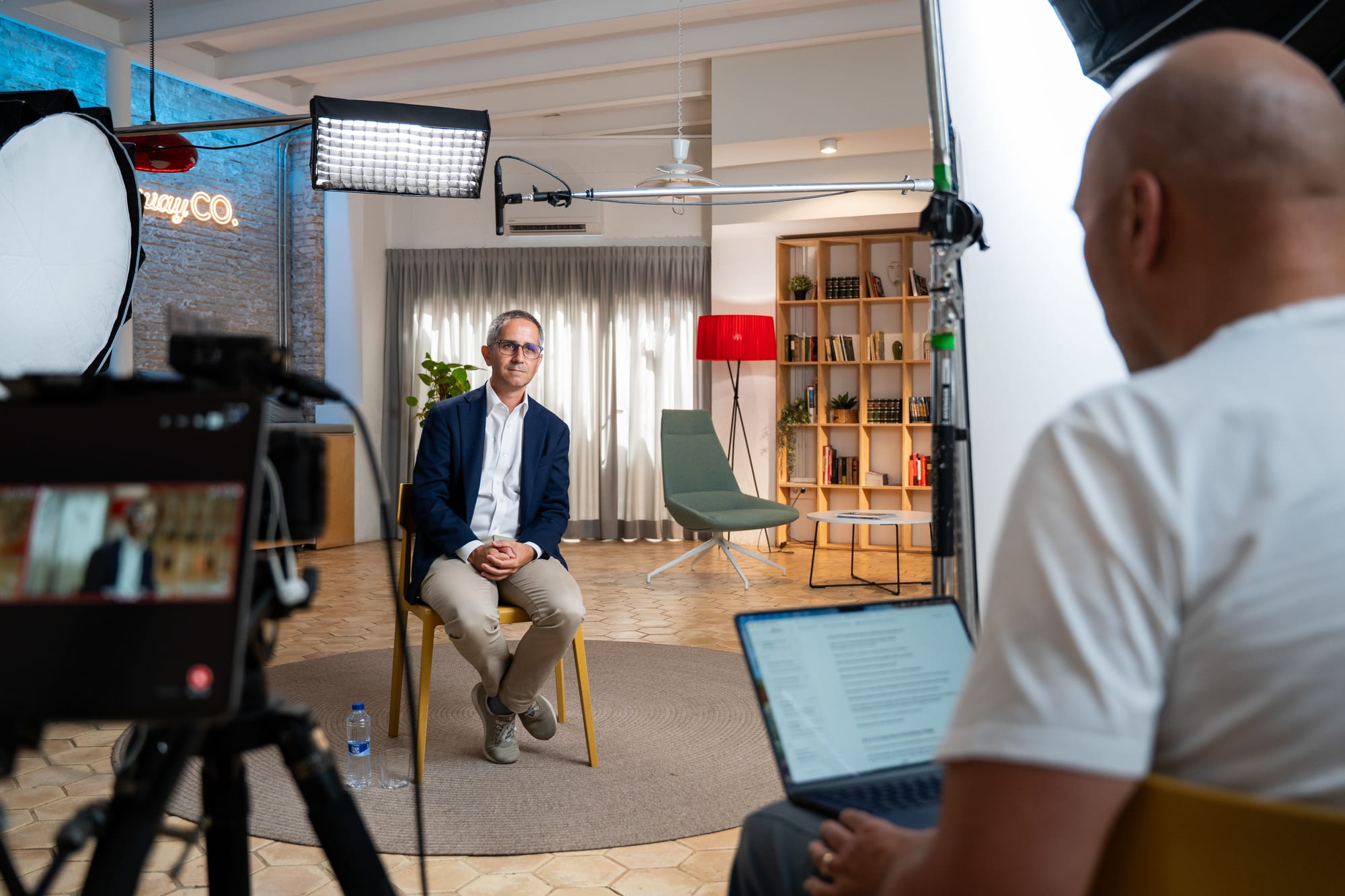
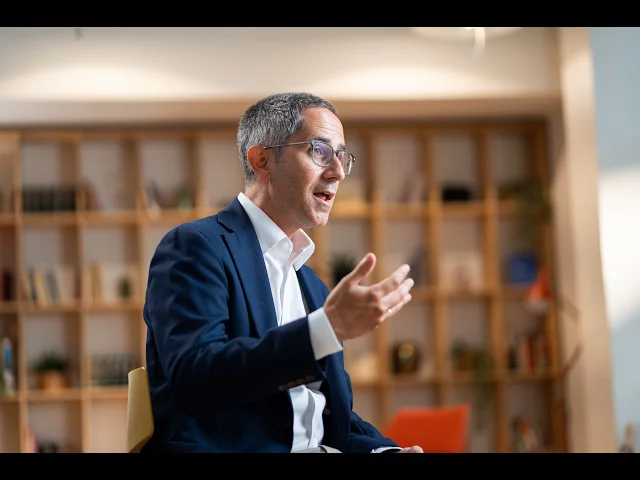
Pablo Pérez, EMEA Market Insights, Google, in Valencia, September 2026. His team studies how consumers across EMEA decide, so the businesses advertising with Google can invest better.
Annual research describes last year's consumer
The team studies how people decide what to buy. Consumers now ask AI along the way, and the business wants to know what that changes.
Pablo Pérez is based in Madrid and works in Google's EMEA Market Insights team. They cover every EMEA country and language, and advertisers from global brands to small businesses in every category.
Google's "messy middle" model describes how people loop between exploring and evaluating before they commit to a purchase. The model still holds, and the environment around it has changed: consumers now have AI. The most frequent question from the business became: how is AI changing the decision-making process?
Each year the team set its questions months before the findings came back. Running them more often would not have helped. Surveys, focus groups, passive metering and machine learning all decide in advance what counts, so they can only answer a question someone already had.
What the team needed was a program that never stopped: samples broad enough to cover every market and category, and deep enough to answer for one country and one category the moment a question arrived. That is what Pablo means by always on.
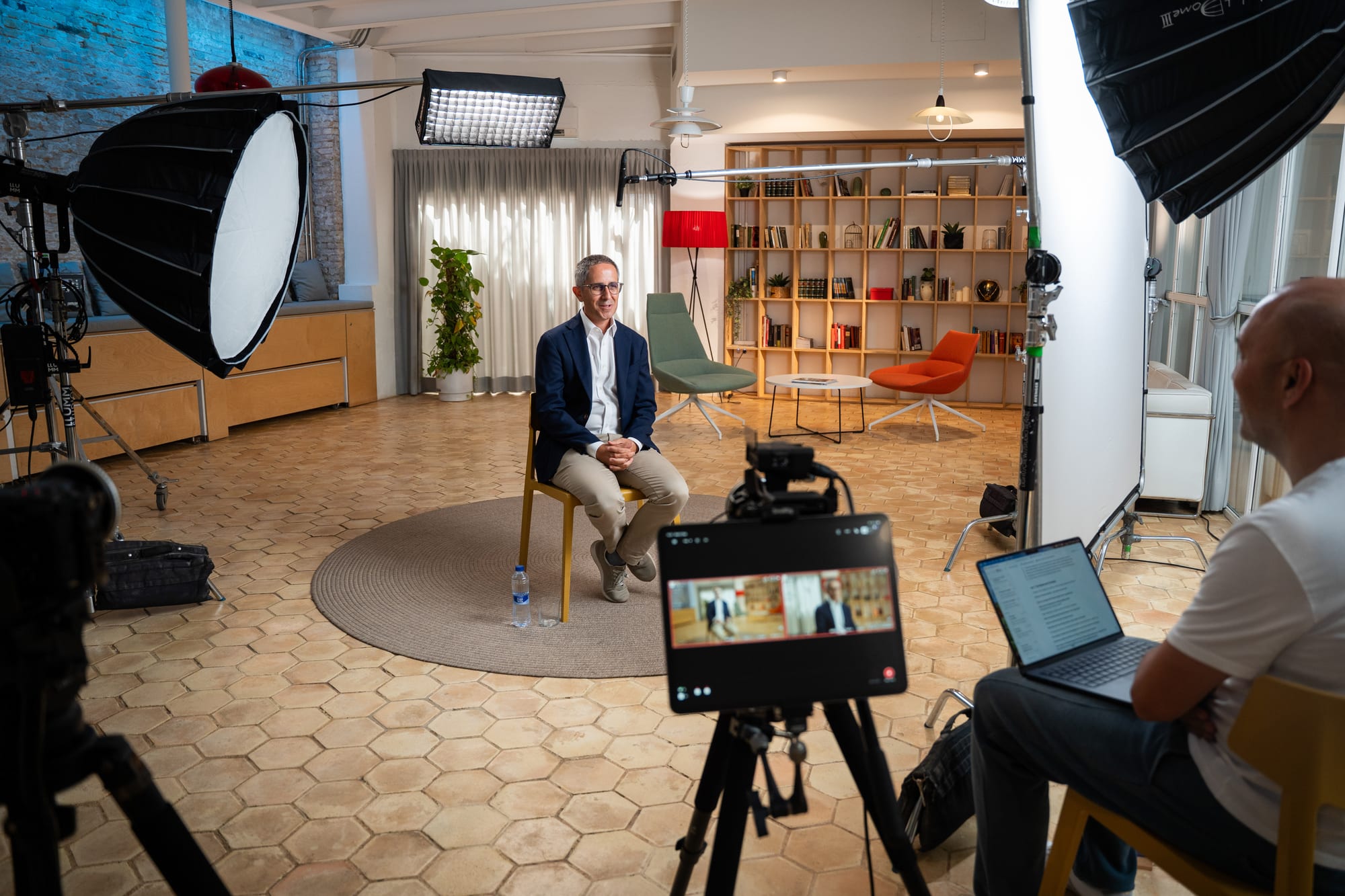
"We all have tried. Does it work? Does it really work?" Pablo Pérez on earlier platforms that offered to interview thousands of people and still go deep.
Qual depth at quant scale had been promised before. Google checked whether it was real.
Watching the videos answered half the question. Trusting the analysis took longer.
The industry has promised qualitative depth at quantitative scale for years, and Pablo Pérez had seen the earlier attempts up close.
Two things had to be true: the conversations had to be real, and the analysis had to be trustworthy. He could settle the first by watching the interviews. The second he had to learn.
"You need to know how to prompt, and sometimes there's limitations of AI kind of being always agreeing with you. But we have been learning how to interact better with the interface to get to answers."
Pablo Pérez
The team learned how to prompt, how to query, and how to check an answer against the conversations behind it. They also went through the safeguards with Conveo's researchers, so they knew what the tool was doing before they trusted what it said.
"I used to think AI was more robotic, but now I see it's truly good at understanding people."
Pablo Pérez
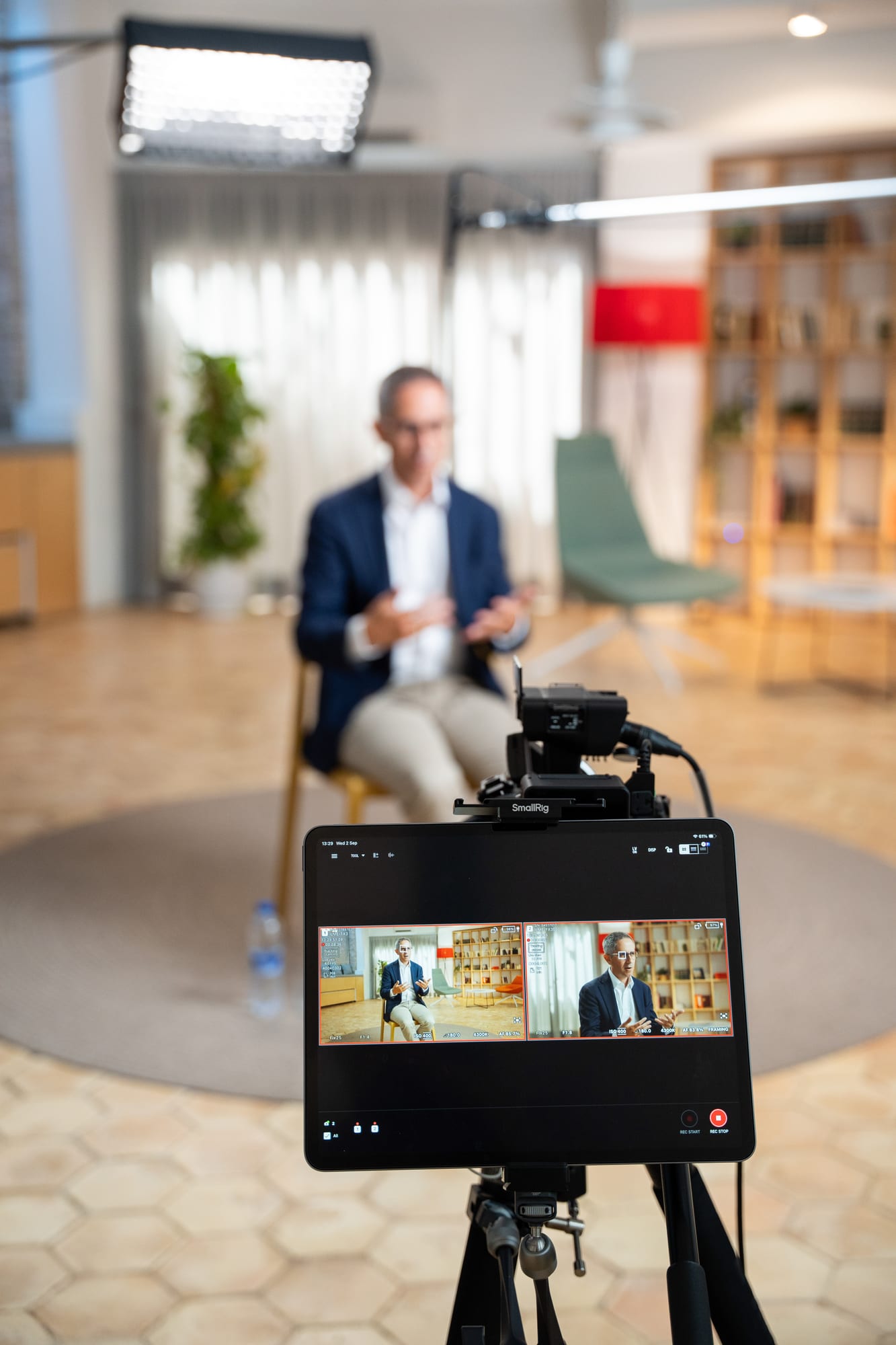
"Tell me about the last time you did some shopping online." One question, and everything after it comes from the consumer.
Surveys give consumers preset answers. Conveo lets them describe their experience in their own terms
The team opens with one broad question, and the AI follows each answer wherever it goes, so the unexpected has room to surface.
The biggest change was moving from closed-ended surveys to open-ended conversations. In the always-on program, the AI research assistant opens with a broad question and follows the consumer wherever the answer goes, probing when something interesting comes up.
"When you're designing a survey, you are putting words into the consumer's mind. Our approach is totally different. We're dropping very open questions, like 'tell me about the last time you did some shopping online.' And then the consumer talks in their own words."
Pablo Pérez
Getting that opening question right is the hardest design decision in the program. Too broad and nothing specific comes back. Too narrow and you've paid for research that agrees with you.
"They need to be broad enough so you can capture those unexpected comments from the consumer, because you want to remove your lens of your own company and your own biases. But it has to be specific enough to find something interesting. So striking that balance on that open-ended questions that you are going to launch, that is where you can add a lot of value as an insights professional."
Pablo Pérez
The team thought carefully about its opening questions before launch. The result, in his words, is "purer" than a survey: more transparent to the consumer, more human-centric, more honest.
"The translation capabilities are so great that I can finally understand what consumers from other countries are talking about." Pablo Pérez
A researcher in Spain now covers Poland, France and Germany without speaking the languages
Every consumer answers on camera in their own language, and translation carries the reasoning across all seven markets.
Through the Conveo interface the team watches the videos, checks the verbatim, and moves between the totals and the individual consumers behind them. For a regional team that serves every EMEA market, that is the difference between reading a market and understanding it.
"You can see the videos of the people answering to the camera. There's nothing truer than a consumer talking to you. You have the feeling that it finally works, that finally we found this holy grail that we were looking for, which was having numbers, but having deep consumer truths together."
Pablo Pérez
What surprised the team was how specific consumers were about the role AI now plays in how they shop. Asked about a recent purchase, people described the same arc on camera: they start out knowing nothing about the product, ask an AI a few questions, and come away more confident to buy. One said the comparison work that used to take four hours now takes no time at all. Most research topics matter more to the marketer than to the consumer. This one mattered to both.
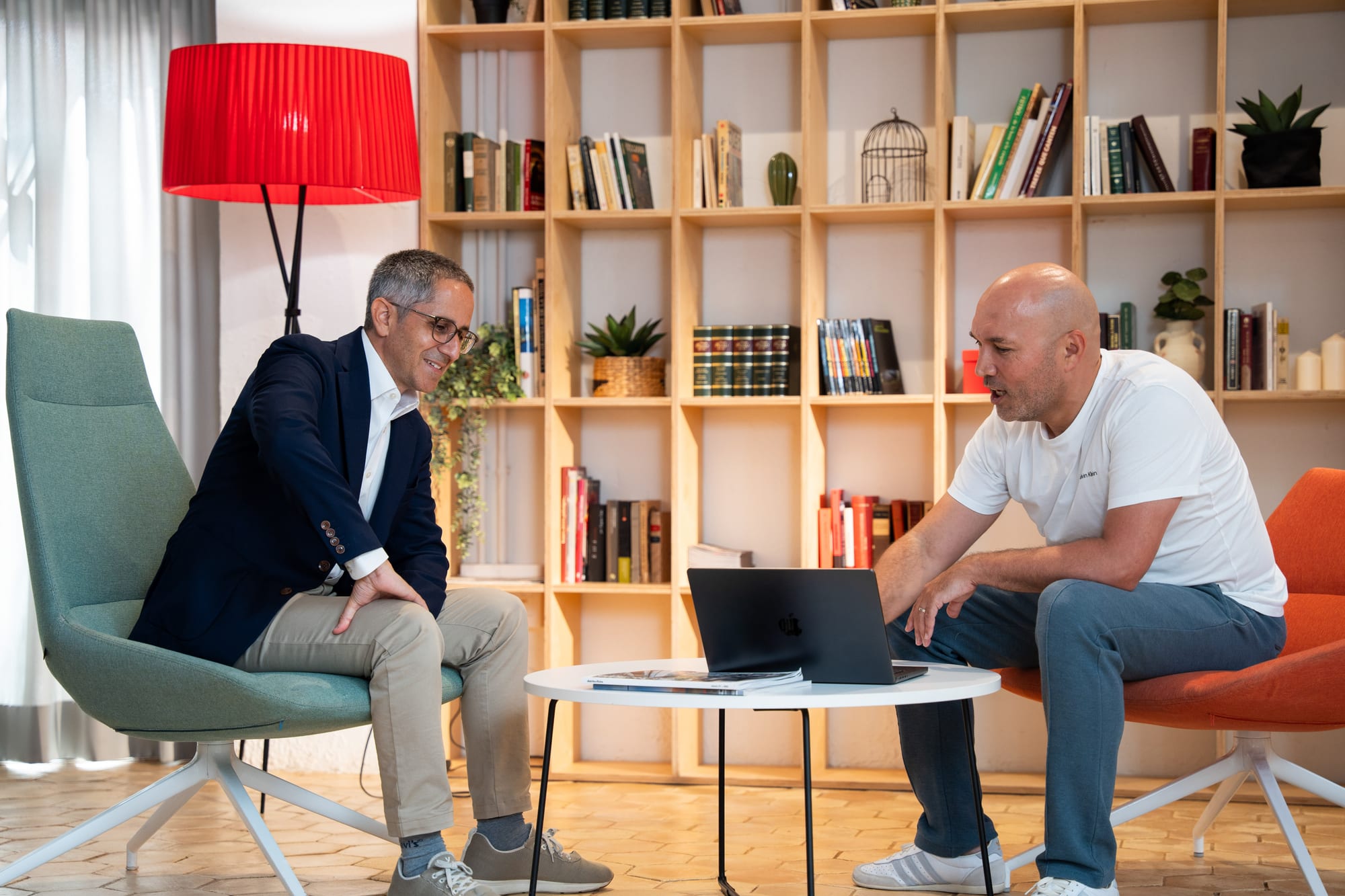
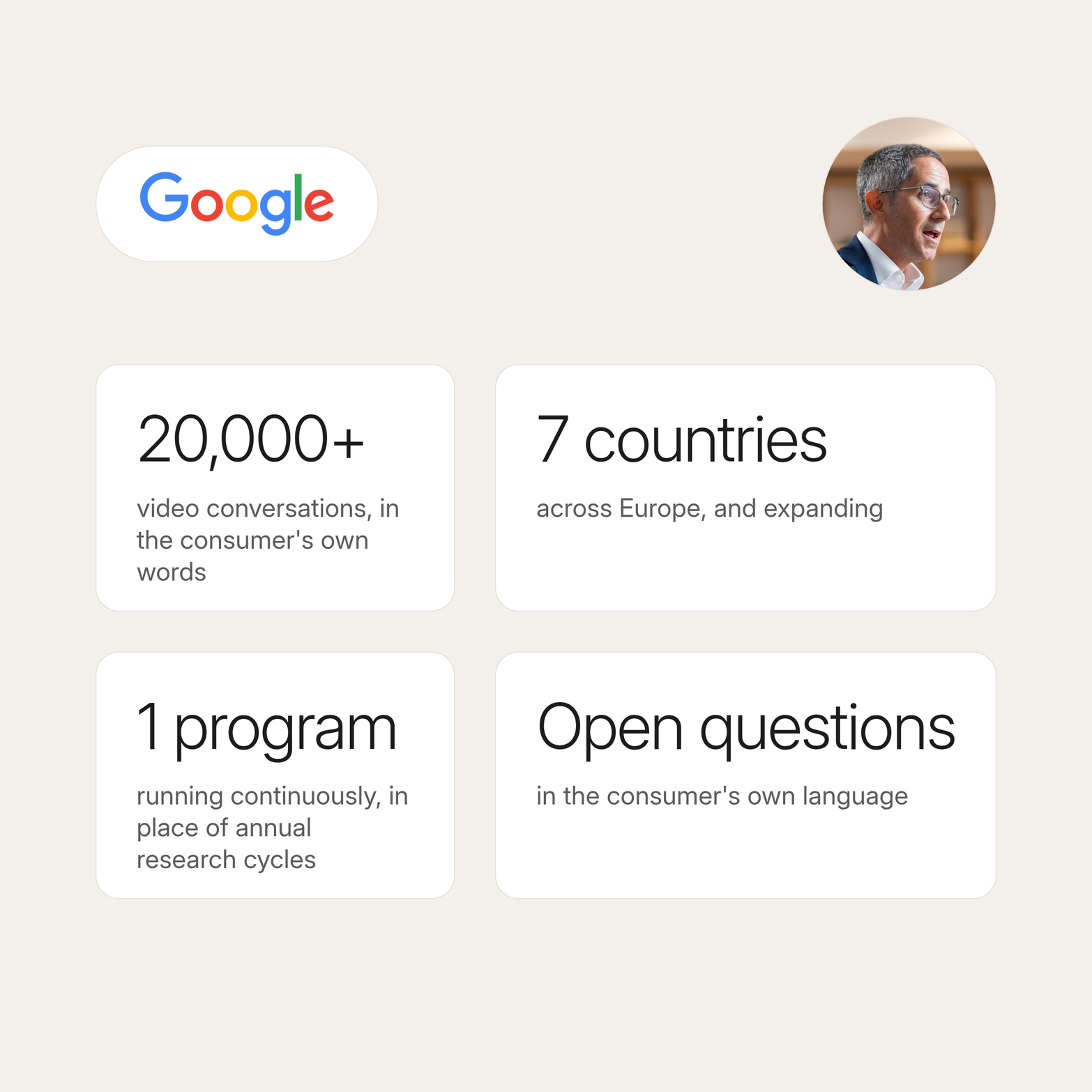
Seven countries, 20,000+ conversations, one set of opening questions, no end date.
Continuous, open interviews put the answer on file before the question arrives
Every market gets the same broad questions and large samples, so interviews can be read against each other and each one adds to the last.
The program now runs continuously across seven European countries, with more than 20,000 video conversations behind it. The old methods could only answer a question someone had already thought to ask. Here the interviews come first and the question comes later, and a theme coded out of the material afterwards is what Conveo calls a facet.
"You can create any facet in the database out of whatever you are interested in. You can analyze whatever you want because you already collected the data, because you posed those very open questions about general behaviors."
Pablo Pérez
Every new interview makes the ones already recorded more useful.
"If you have a research program that is answering different questions, it's harder to compound that knowledge, because you're putting pieces together that were not designed to be put together. In our approach, we have one big program gathering general consumer behaviors, and it compounds, because we're running more and more interviews that talk to each other."
Pablo Pérez
"We don't know what's going to be the next question tomorrow, but we know we will be in field tomorrow. So when the question comes, we should be ready to answer it."
Pablo Pérez
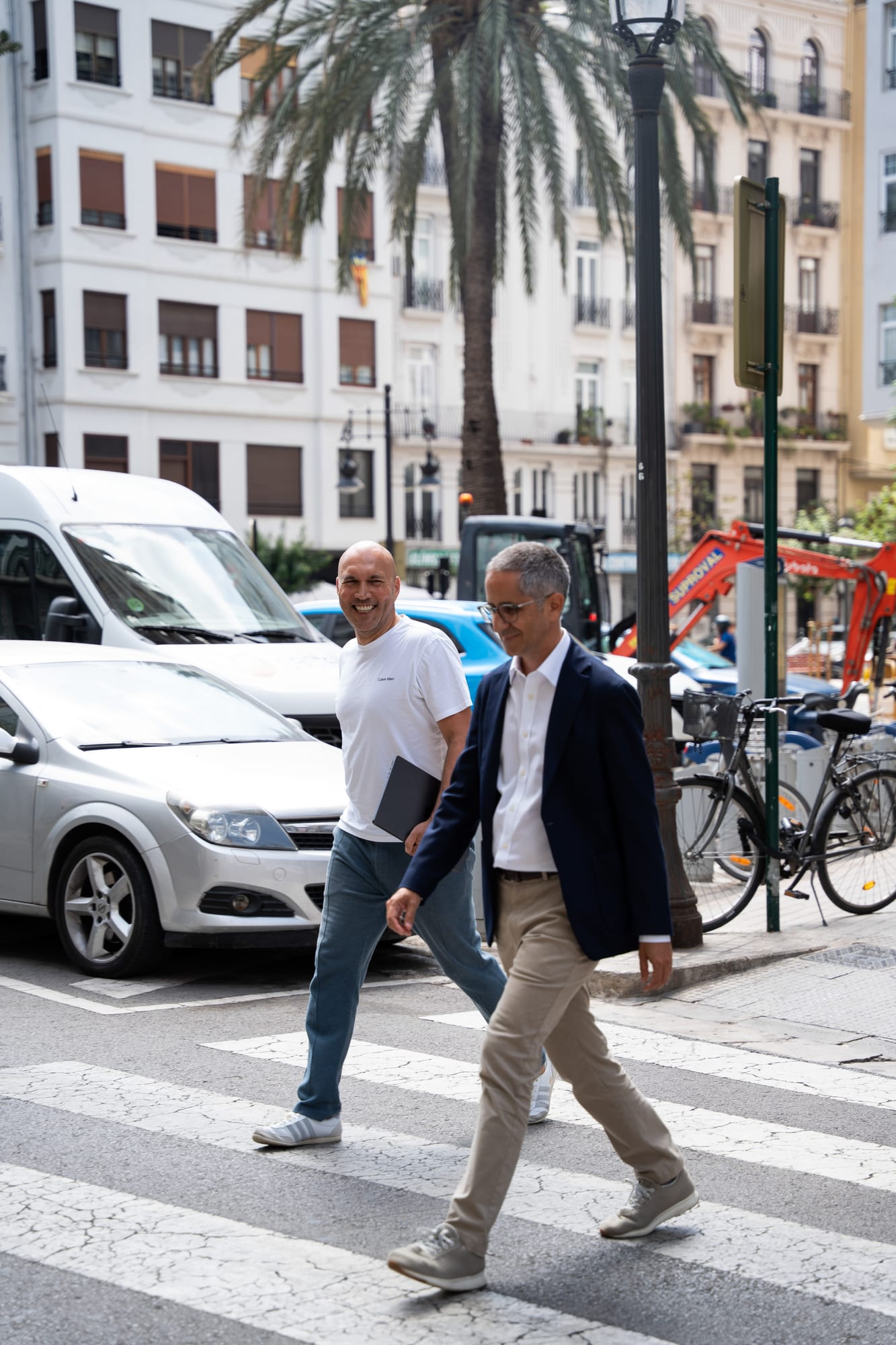
Before, the team met consumers through data tables and summaries. Now the researchers work in the conversations themselves.
Google's researchers get their time back, and spend it influencing the business
Consumer clips replace charts, and stakeholders hear it first-hand.
When the team presents to its stakeholders, it plays the tape. Instead of a slide summarizing what consumers in Poland think about AI in shopping, a Polish consumer explains it. "There's nothing better than a consumer verbatim for that. You cannot argue with that."
"We were more project managers," Pablo says of how the team used to work. Now they build more of the research themselves, and the AI does the sorting and coding that comes with it.
"My true job as a researcher is to make people act on insights. That has been my job 10 years ago, it is the job today, and it will be the job in 10 years. Finding the data, finding the story, that will be facilitated by AI. But only us professionals in the insights world will be able to convince our colleagues and stakeholders to act on those insights."
Pablo Pérez
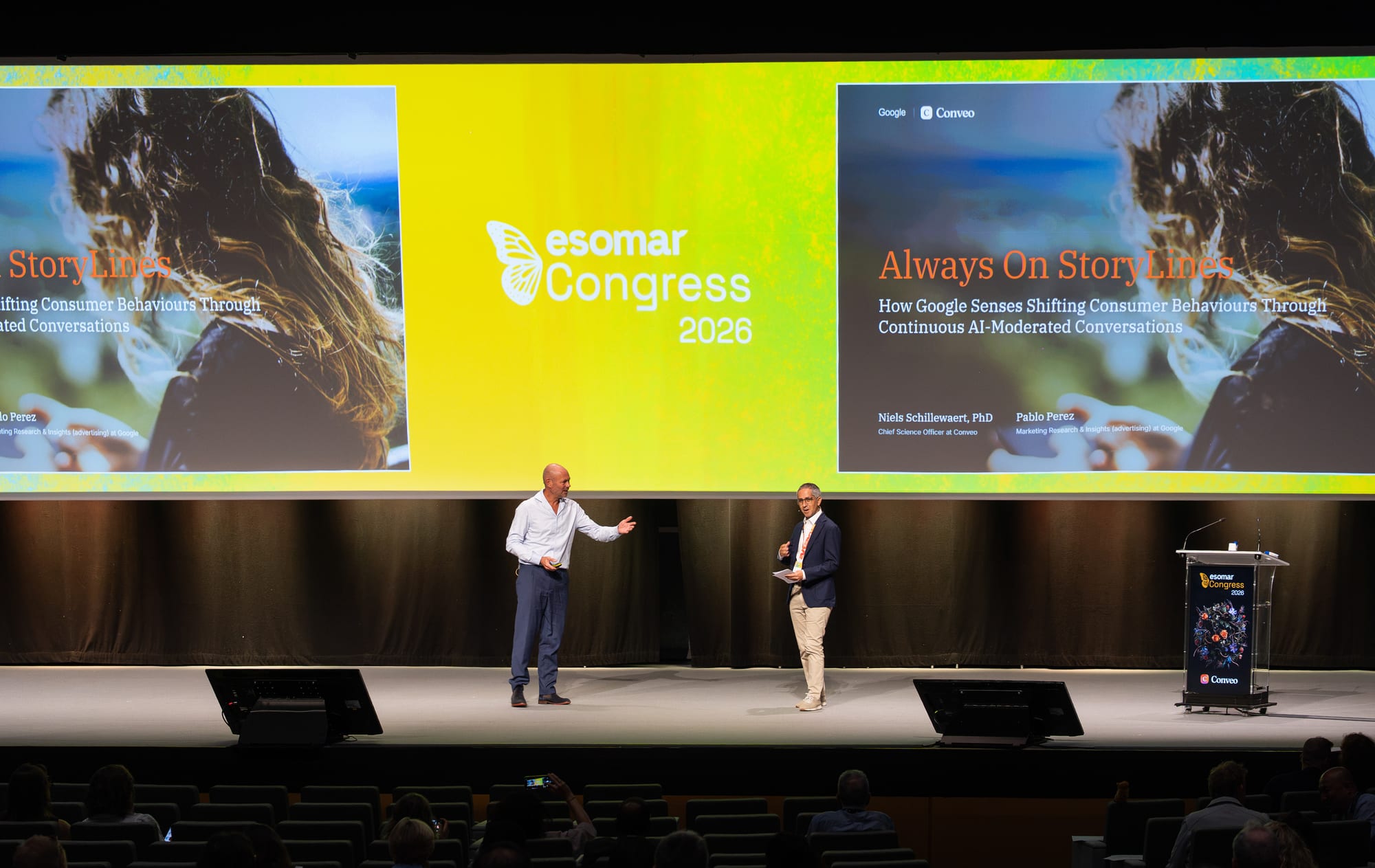
Google and Conveo in Valencia, September 2026, presenting the program together on the ESOMAR Congress stage.
Google now watches consumers shop. The next challenge is reading change over time
Ask shoppers and you get what they remember. Watch them and you see what they do.
The program keeps growing on both axes Pablo set for it. More countries are joining the seven, and a second audience is in field: the advertising decision-makers Google's business serves.
The method has grown too. The first waves asked consumers to explain how they shop. Since September 2026, in a pilot the two teams built together, consumers share their screen while they shop, and the AI research assistant watches the journey and asks about it afterwards: why they went where they went, what they hoped to find at each step. When the team did its first messy-middle ethnography, researchers watched the recordings and coded them by hand. This time the coding happens at scale, and the first journeys are already on file next to the interviews.
The harder problem is still open: measuring change over time. A traditional tracker repeats the same KPIs every wave, so change is easy to read. A continuous program of open conversations has no fixed KPIs, and how to read change across thousands of open answers is being worked out wave by wave.
"It's a challenge that we are solving together, as an industry, us as clients, and with Conveo as a research partner."
Pablo Pérez
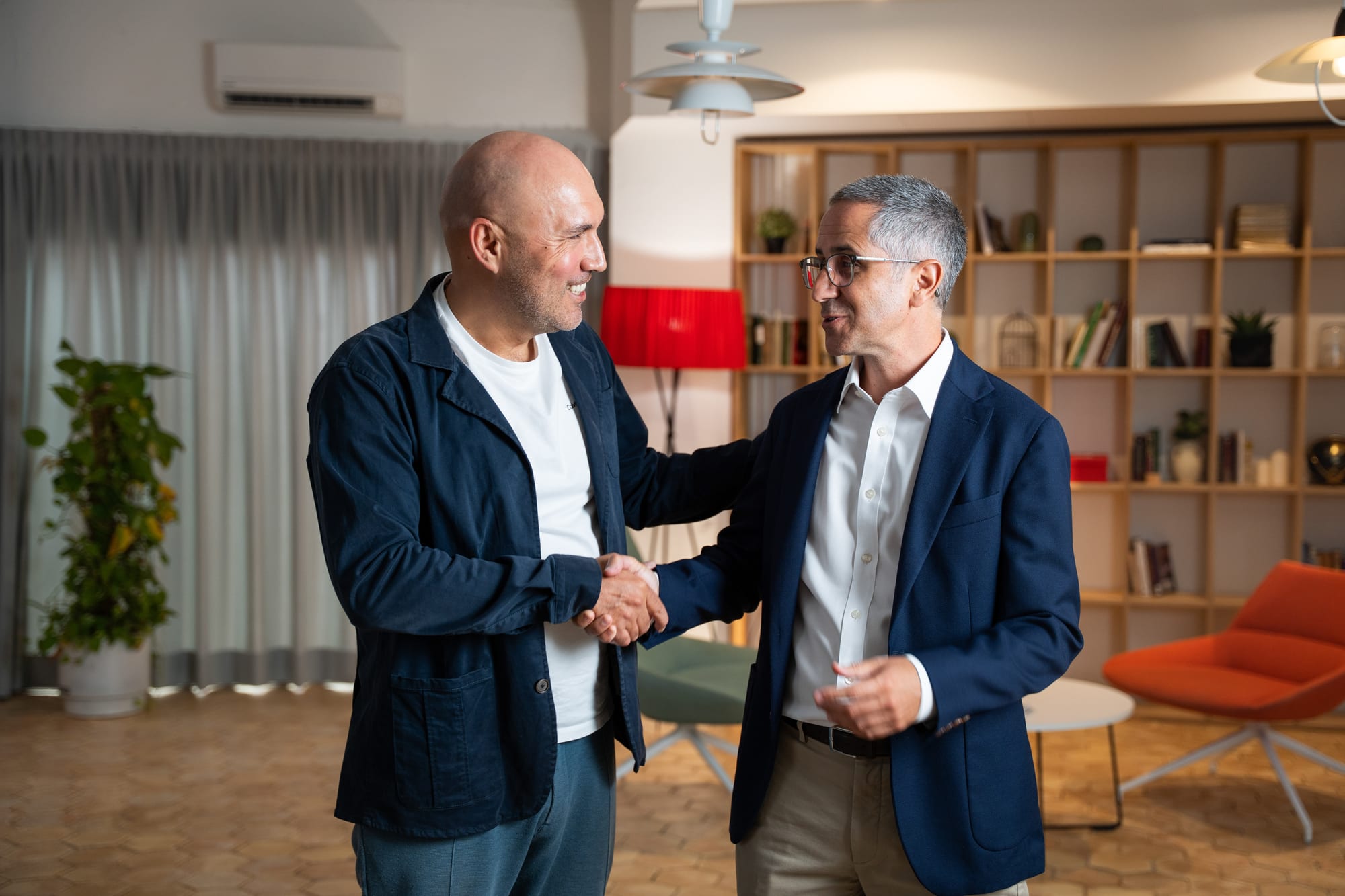
Google worked with Conveo on the development of StoryLines. The shopping-journey pilot is the second thing the two teams are building together.
Pablo's advice to CMOs is to become the authority in their category and help people buy better. That requires knowing what people are deciding this week, in their own words. Google's team hears it every day, from seven countries.
"The brands that win will be the ones that help consumers the most."
Pablo Pérez
Want a continuous read on your consumers? Google's program runs on Conveo StoryLines. Book a demo to see how it would work on your questions.
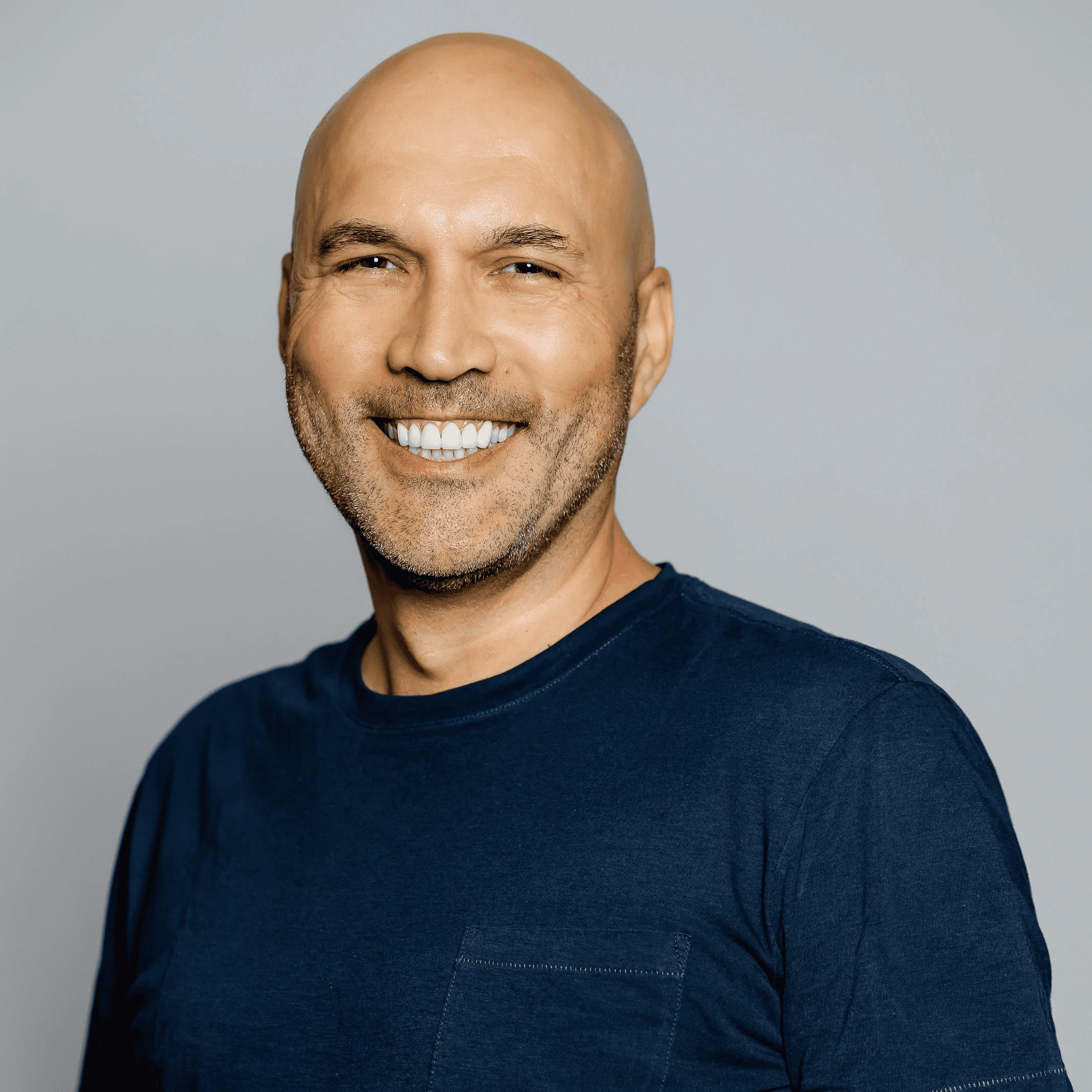
About the author
Rómulo Rejón
Head of Customer Marketing
Rómulo leads Customer Marketing at Conveo, turning the results customers achieve into things they can use: visibility inside their organization, recognition as innovators in their field, and a network of peers redefining how insights get done. Customer stories, references, advocacy programs, and executive communities all serve that goal.
More by Rómulo →Qualitative insights at the speed of your business.
Conveo runs AI-moderated video interviews and structures everything they say.