The gate wants evidence. The idea is still too early for a concept test.

For innovation teams

Conveo is Consumer Understanding Infrastructure for the stretch between stage gates. Real consumer video conversations shape an idea while it is still taking form, so it reaches the gate already tested against the people it is for.

  • SOC 2 Type II
  • ISO 27001
  • GDPR
  • EU hosting
  • SSO
An innovation team talking through plain prototype bottles and concept sketches, a consumer on a video call on the laptop in front of them

Why ideas reach the gate on the thinnest evidence in the pipeline

Most innovation processes attach their research budget to the gates. Concept testing happens when an idea is ready to be judged, which means the weeks of shaping that come before it run on desk research, internal debate, and whatever consumer conversations someone can arrange. Ideas reach the gate half-formed, the formal test judges them in that state, and promising territories get cut for reasons a few early conversations would have caught and fixed.

The gate judges ideas the consumer never helped shape.

What changes when consumers shape ideas between gates

Conveo supports innovation research across the whole pipeline, and does its most useful work in the stretch between gates. Keep your gate research where it is. Use Conveo for the shaping that comes before it.

Screening criteria setPeople who handle the situation today

Explore a territory before any concept exists

Ask consumers how they handle the situation today, what frustrates them about it, and what they have already tried. Screen for the people you need and reach them through integrated panel providers or your own lists.

What changes:

you choose territories on evidence, before the team invests in a concept.
Round 2 in fieldRevised sketch, reactions probed on video

Shape the idea in rounds

Put rough stimulus in front of real consumers, from a written description to a sketch to a product in their hands, and get probed reactions on video in 50+ languages. Change the idea and run the next round while the reasoning is fresh.

What changes:

the idea that reaches the gate has already been through several rounds with the people it is for.

Quote reel readyEvery finding traced to its clip

Walk into the gate with evidence

Trace findings back to supporting quotes and video, then build a shareable quote reel for the gate committee. The case for an idea comes from consumers, in their own words.

What changes:

gate decisions rest on what consumers said, with the source one click away.

Why a killed idea still pays for itself

Most of what an innovation pipeline learns leaves with the ideas that get cut. One searchable insight library across every study keeps that learning, so the next idea in the same territory starts from what the last one found.

  • See what consumers already said about a territory before scoping the next idea in it
  • Reuse the reasons an idea failed when the next one approaches the same need
  • Compare how reactions to a territory have shifted across rounds
  • Bring a new team member up to speed on a territory without a handover deck
  • Draw on studies your insights colleagues have run, and add your own to the same library

Every idea you kill leaves the next one better informed.

Why an early read can hold up in front of a gate committee

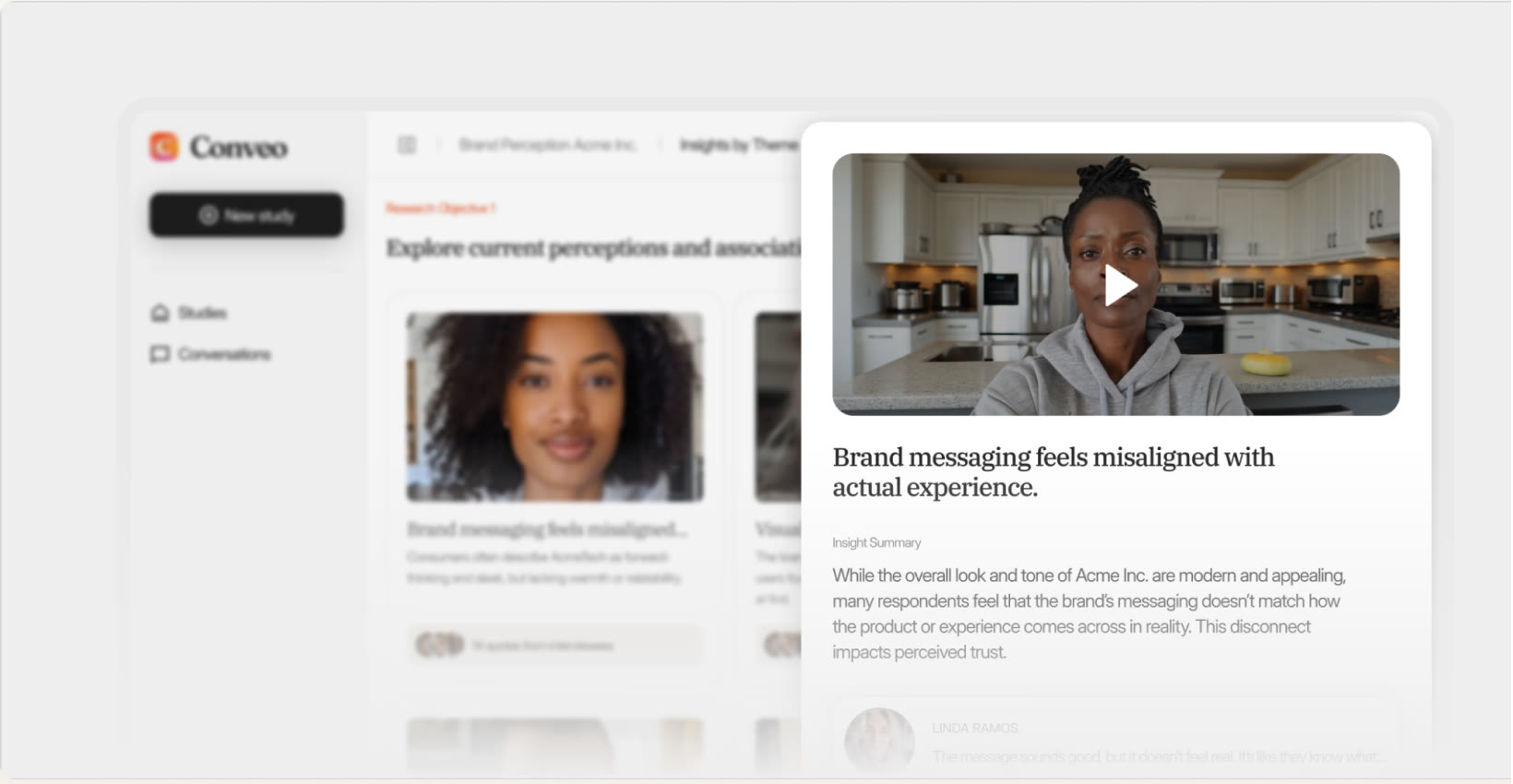
A Conveo insight theme with the participant video clip and insight summary behind it

Early reads get dismissed when nobody can see where they came from. Every finding in Conveo traces back to the supporting quotes and video behind it, so a committee member who doubts a conclusion can watch the consumer who said it. Every participant is a real person taking part on video.

Early reads are also most reliable when they ask about what people already do. Questions about how someone handles a problem today produce evidence a committee can test. Questions about whether they would buy something that does not exist yet mostly produce optimism.

A committee that can watch the consumer stops arguing with the summary.

Which questions tell you a territory is worth developing

The hardest part of early research is asking questions that get honest answers about something that does not exist yet. Our guide to concept testing questions maps the questions to the decision you are making.

Concept testing questions: a decision-first framework

  • Questions mapped to five decision types
  • A copy-paste question bank
  • Five questions to avoid, and why
  • An evidence format stakeholders can act on
Read the question guide
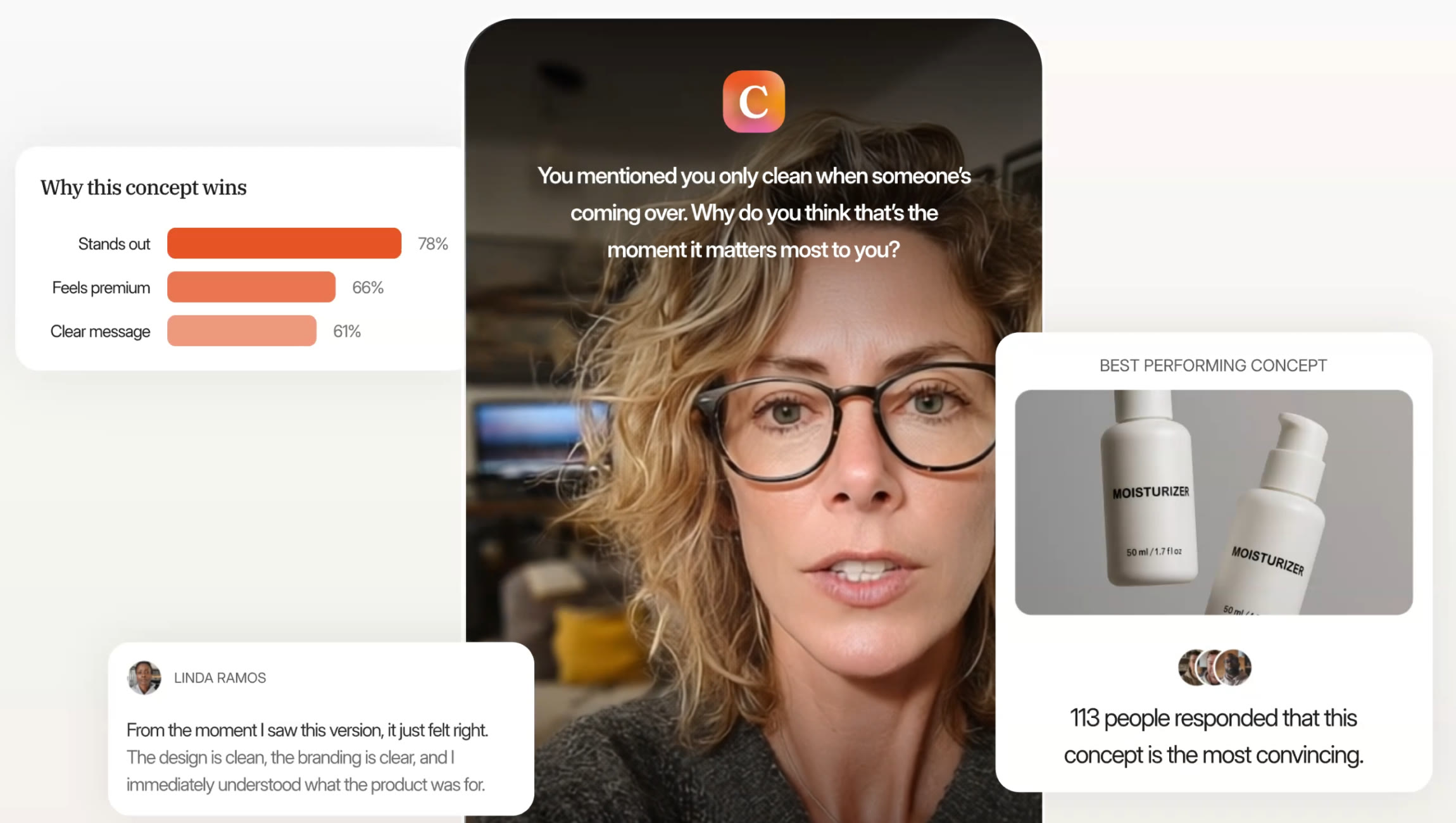
A participant answering a follow-up question in a Conveo video conversation, next to a concept scorecard and the best performing concept

Where Conveo fits

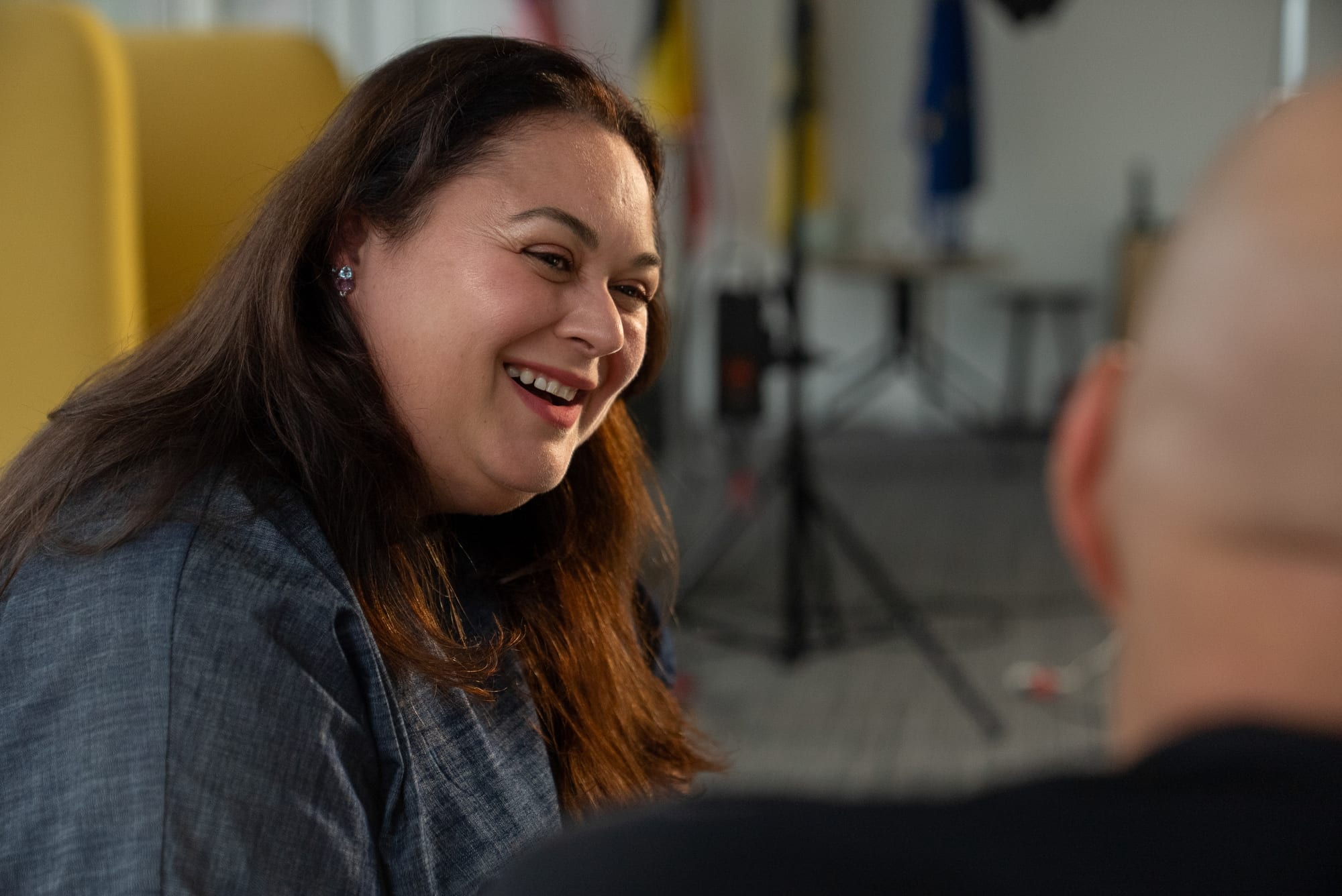
Carla Mahfuz of Ferrara laughing mid-conversation, a yellow sofa and a row of flags out of focus behind her

In practice

Ferrara

Ferrara’s launches kept beating their concept scores, so Carla Mahfuz, who runs consumer insights across its expansion markets, reversed the test. Shoppers bought the product, tasted it on camera and described it in their own words, and those words became the concept. Eight in ten said the concept matched the product, and concept tests now close in under a week.

Read the Ferrara customer story

Fergus Navaratnam-Blair of NRG smiling in a dark blazer, a porthole window behind him

In practice

National Research Group

National Research Group wanted to know which of eight fatherhood archetypes families actually recognized in their own lives. Their reactions, across hundreds of families, showed which archetypes resonated, and those archetypes now anchor NRG’s white papers on the evolution of fatherhood. A territory, tested against real lives before anyone built on it.

Read the NRG customer story

Dafydd Jones of Ninth Seat mid-sentence at a meeting table, hands open
“You see them physically doing it. Testing the product for the first time, being probed right there. That unfiltered, in-the-moment reaction is possibly the most powerful thing you can see as a researcher.”
Dafydd JonesAssociate Director, Ninth SeatRead the Ninth Seat story

50+

languages

50+

markets

50+

of the Fortune 500

SOC 2

Type II certified

Trusted by teams at

  • Canva
  • Unilever
  • Google
  • AB InBev
  • JDE Peet's
  • Ferrara

What Conveo covers, and what stays

Conveo fits the stretch between gates: exploring territories, shaping early ideas in rounds, and reading reactions across markets before the formal test.

Volumetric forecasting and nationally representative share reads stay with the methods built for them, and Conveo sits alongside them. Most innovation teams use both.

Bring an idea that is between gates right now

We will show you how the study would run, using an idea from your current pipeline.

An insights lead presenting research results to colleagues

Consumer insights and CMI

Run continuous consumer understanding as an always-on program your team steers.

  • Field studies without waiting for an agency window
  • Defend the methodology when stakeholders challenge a finding
  • Build a library that makes each study faster than the last
A marketing lead talking through a campaign in a meeting

Brand and marketing

Get consumer evidence into the room while the decision is still open.

  • Test concepts, messaging and creative while the decision is still open
  • Bring back clips your stakeholders will actually remember
  • Run it without waiting in the insights team's queue
A product researcher working on a laptop

UX and product research

Research that keeps pace with the roadmap.

  • Talk to users every sprint without the scheduling overhead
  • Keep research depth while raising cadence
  • Feed discovery into a library the whole product team can search
A research operations lead presenting at a lectern

Research operations

One platform for the qualitative workflow, and one security review.

  • Consolidate the qualitative workflow onto one platform
  • One security review that covers every team
  • SOC 2 Type II, ISO 27001, GDPR, EU data residency and SSO as standard

Questions innovation teams ask before running a study

Gate research tells you whether a concept is ready to move forward. Conveo is for shaping ideas before they get there, in the stretch where most of the work happens. Most innovation teams use both.

Before any concept exists. Territory exploration works best when it asks people about what they do today and what frustrates them about it, which needs no stimulus at all.

Yes. Written descriptions, sketches, early prototypes, and products placed in people's homes all work. Participants respond on video, and the AI research assistant probes their reactions.

It depends on the decision, the audience, how many markets are involved, and how confident the gate needs to be. Size each round with your insights team.

Fast enough to run several rounds before a gate. Timing depends on audience specificity and how many markets are involved. Studies you have already run count too: HeliosX leveraged Conveo interviews to launch in 48 hours, answering a launch question from a study it had run months earlier.

Yes. Studies run in 50+ languages, with transcription and translation handled as video conversations close, so a multi-market round arrives as one readable output.

They stay in one searchable insight library across every study, so the next idea in the same territory starts from what the last one found.

Conveo is SOC 2 Type II certified, ISO 27001 certified and GDPR compliant, with EU hosting. Security documentation is available ahead of a formal review.