In this article
At a glance
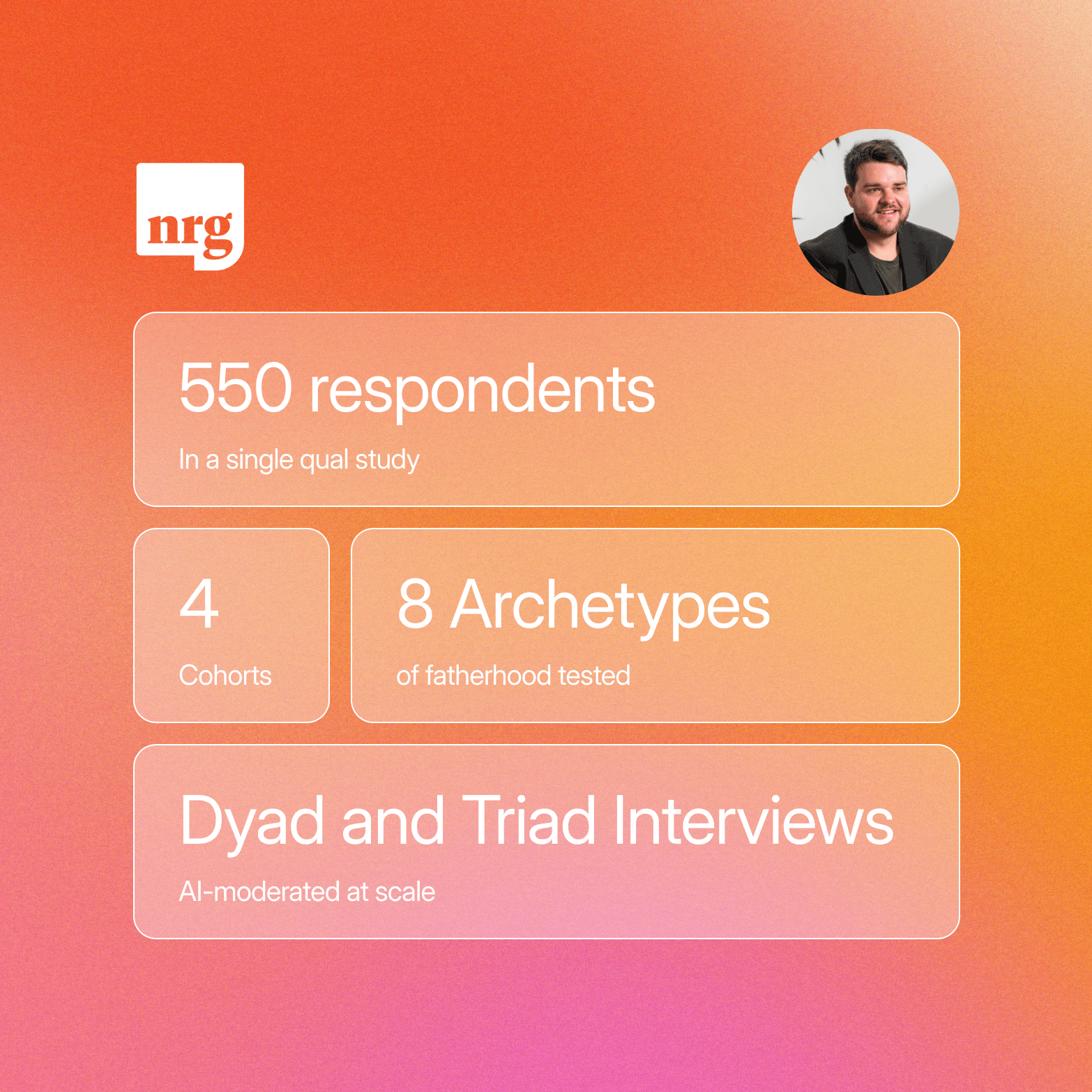
National Research Group (NRG) tells studios and streamers what audiences want next, not what's already popular. To back their white paper on the evolution of fatherhood, they ran a novel qual study with hundreds of families: dads alone, dads with their partner, dads with their kids, and all three together, reacting to fathers on screen.
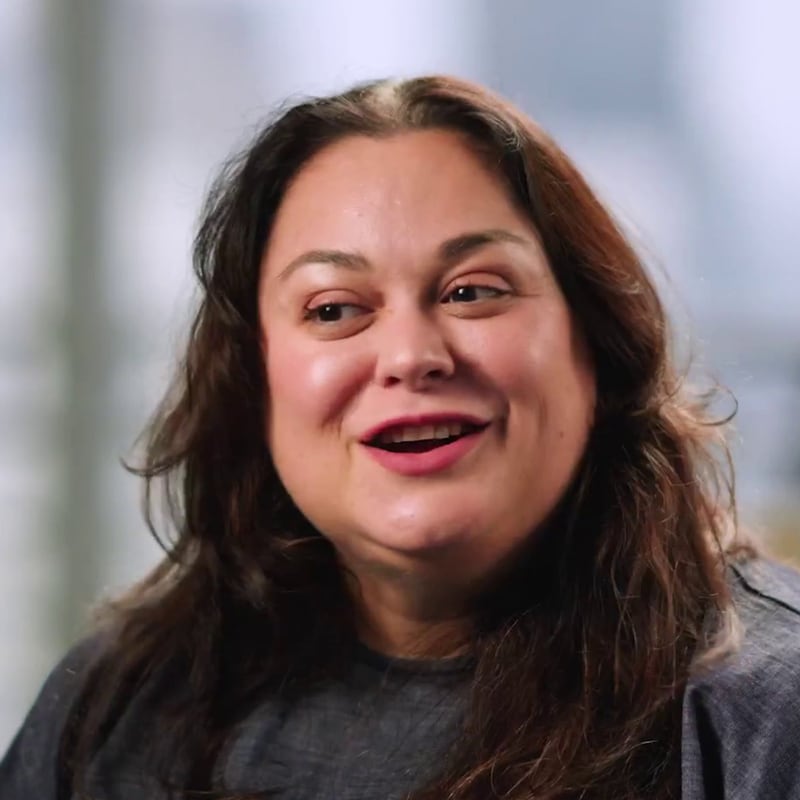
"In order to get the kind of numbers that we wanted, hundreds of dads, hundreds of kids, responding to these portrayals of fatherhood, that's definitely something we couldn't have done pre-Conveo."
Fergus Navaratnam-Blair, VP Trends and Futures, NRG
Every debrief hit the same question: is it a trend, or a fad?
Qual finds the insight. Without proof at scale, clients won't act on it.
Fergus Navaratnam-Blair is VP Trends and Futures at National Research Group, the Stagwell-owned agency working at the intersection of content, culture, and technology. His team produces the white papers that set the agenda for the entertainment and tech industries: the big studios, the major streamers.
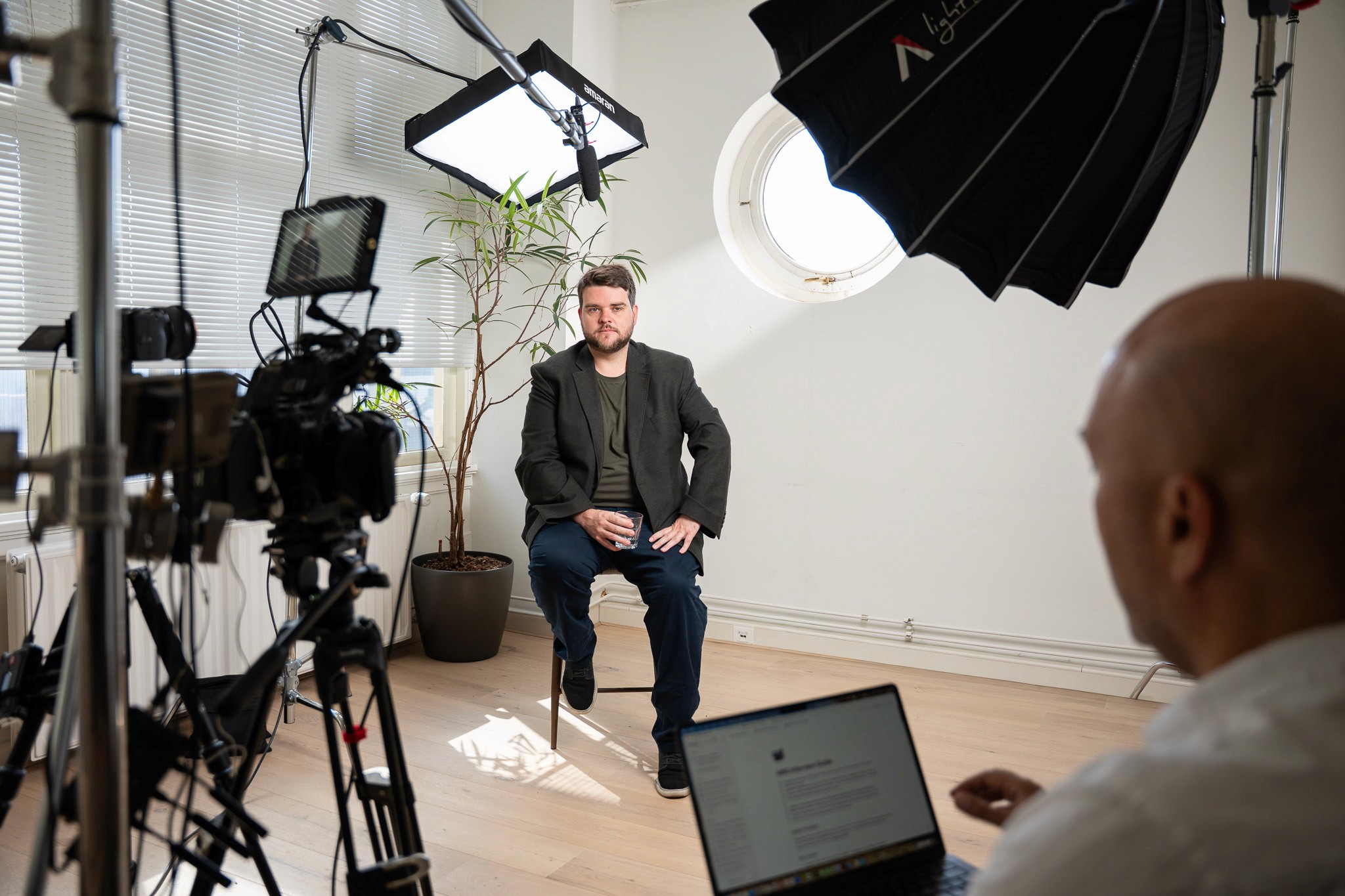
Spotting cultural shifts was never the hard part for his team. Knowing which ones would last was. Run interviews and focus groups until the budget's gone, then bolt a quant study on top and stitch it all together with desk research. Hope the seams hold.
"Even if you're doing dozens of in-depth interviews, multiple focus groups, you get those interesting nuggets and insights. But then you take them to the client and there's always a sense of: is this really a trend? It's very hard to validate, and very hard to demonstrate the difference between an important trend and a one-off anomaly."
Fergus Navaratnam-Blair
NRG wanted dyad interviews. No platform had these out of the box, so Conveo built them.
The methodology came first. The platform caught up while the study was in field.
"The number one thing we trusted about Conveo was the flexibility. When we wanted to do novel things that were outside the scope of their current platform, dyad interviews where multiple people respond at the same time, interweaving video responses with other prompts, the Conveo team were very flexible in helping us do that, even building and deploying new features within the platform to let us do the type of work we wanted to do."
Fergus Navaratnam-Blair
NRG had tried other qual-at-scale platforms before Conveo. Self-serve analysis that people across the org could use was table stakes. What wasn't table stakes: a team willing to build new features for a study nobody had run yet. Their innovation lead ran Conveo on small client projects first, then took it to the firm.
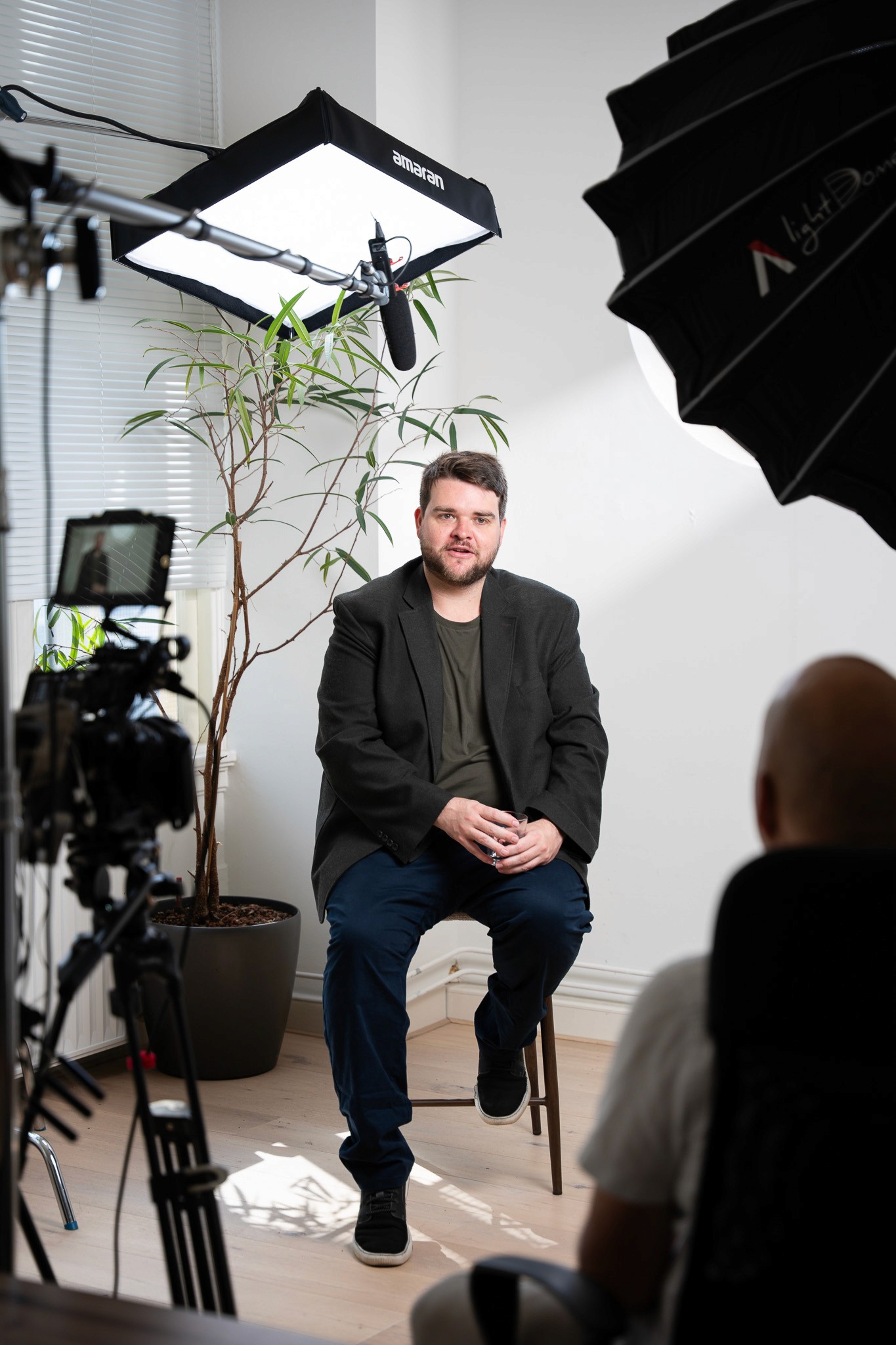
There was a real anxiety to get past, and it's the one every agency will recognize: how do you sell a methodology this new to clients? NRG's answer was transparency. Give clients access to the actual interviews. Walk them through the platform. Position qual at scale as a new layer inside a larger program, alongside traditional quant and qual, that takes early findings a level deeper.
Real families watched eight fictional fathers, together, on screen and told NRG which ones felt real.
NRG already had the eight archetypes. What they didn't have was a way to ask 550 people whether any of them resonated.
The team had already run quant and qual phases, and had used their own AI analysis of film and TV scripts to identify eight archetypes of fatherhood in contemporary fiction. No existing method could put those archetypes in front of real families at scale and measure which ones rang true.
NRG built it on Conveo. Every respondent watched curated clip packs of TV and film fathers by archetype, plus dad content from podcasts, YouTube, and social, and the AI moderator probed what felt relatable, what felt aspirational, and what they recognized from their own living rooms.
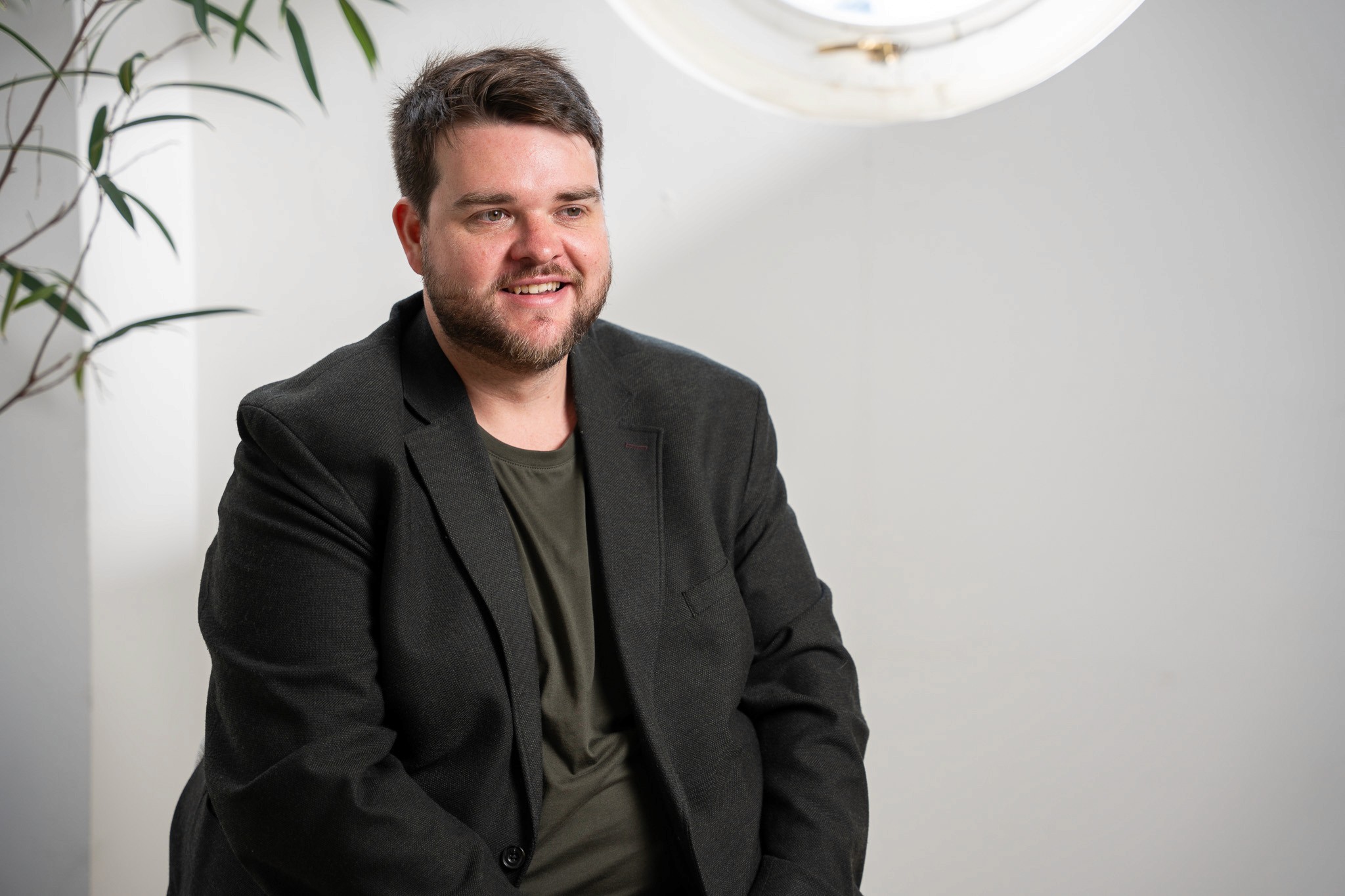
Legal restrictions blocked online recruitment for parent-child interviews, so NRG moved to in-person, mid-study
None of this was plug-and-play, and NRG doesn't pretend otherwise.
Nobody had interviewed kids this way before. Online panels couldn't legally consent a parent and child into the same interview, so NRG researchers stopped dads in shopping malls to fill the cohorts.
"Because we were trying to do things that hadn't been done before, there was a degree of trial and error. But ultimately we were able to do the vast majority of what we'd set out to do, and we were able to demonstrate that it could be done effectively within the Conveo platform."
— Fergus Navaratnam-Blair
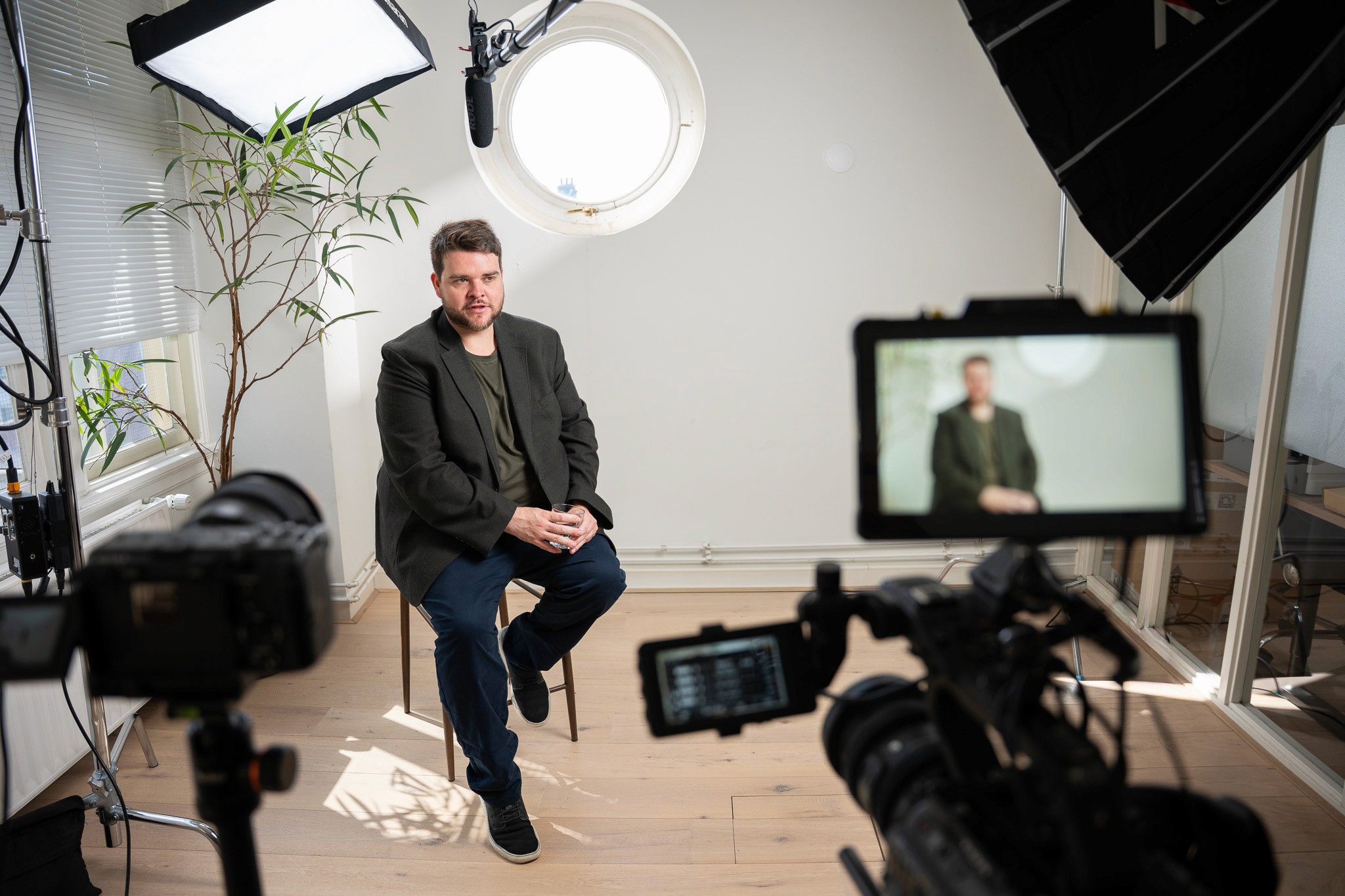
The study also broke an industry assumption: that people won't open up to an AI moderator the way they do to a human.
"There are actually a lot of contexts where people feel more comfortable speaking to an AI moderator than to a human moderator, particularly on sensitive topics. There's a level of permission that speaking to an AI gets you. People feel they can open up a little bit more. They're not being judged by the interviewer on the other end."
— Fergus Navaratnam-Blair
For a study asking men to talk about their own fatherhood, that extra bit of permission was the difference between polite answers and real ones.
Clients now ask for qual at scale in RFPs. NRG can answer the call.
Behind every claim in the white paper, hundreds of voices on camera.
What caught the client's attention wasn't just the volume. It was the read on tone of voice and facial expression: what people said and how they said it. Repeated across hundreds of families, those reactions showed which archetypes resonated and which didn't, and they now anchor NRG's white papers on the evolution of fatherhood.
"Conveo has definitely changed what we can pitch to clients, because it allows us to bridge the gaps between quantitative and qualitative methodologies and tell a more complete end-to-end story. It lets us close the loop: from the archetypes we've identified in the qualitative, which of them actually resonate the most? It feels more authoritative, more backed up by the data."
Fergus Navaratnam-Blair
Telling trend from fad takes agency expertise, fueled by AI's depth and scale.
Clients can field the interviews. Designing a study where the answers mean something is still the hard part.
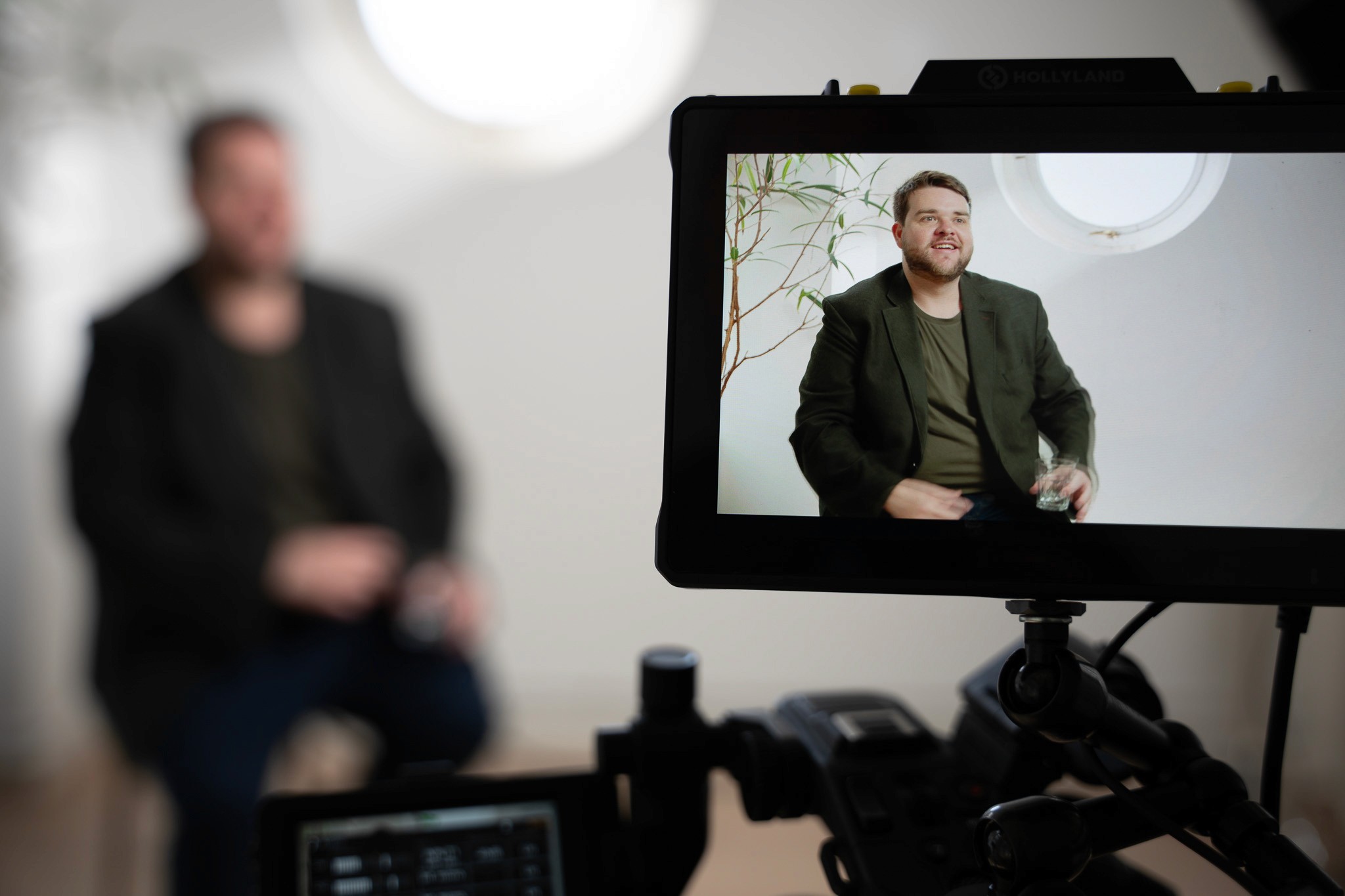
Fergus's job is to see what's coming next. His read is direct. Research is getting faster, more self-serve, and more flexible, and clients can now run more of it themselves than ever. That raises the bar for agencies. The agencies that call it right own the judgment call: deciding what to test, designing it so the answers hold up, and reading what the answers mean.
"The agencies that win from here are the ones who understand the value of a test-and-learn mindset when it comes to what AI can open up, but keep it human directed."
Fergus Navaratnam-Blair
For NRG, human-directed means the study design is theirs and the depth and scale are Conveo's. Sometimes that starts with a whole family, watching TV together.

About the author
Rómulo Rejón
Head of Customer Marketing
Rómulo leads Customer Marketing at Conveo, turning the results customers achieve into things they can use: visibility inside their organization, recognition as innovators in their field, and a network of peers redefining how insights get done. Customer stories, references, advocacy programs, and executive communities all serve that goal.
More by Rómulo →Qualitative insights at the speed of your business.
Conveo runs AI-moderated video interviews and structures everything they say.