In this article
TL;DR
Watch people in context. Irgang's biggest unlocks came from homes in Venezuela and China, where behavior explained what data could not.
Reframe the question. A request about competitor consumption numbers was really a question about product experience.
Guard the why. Insights teams should keep probing well past the first answer, from people and from AI.
Tell human stories. People forget the numbers and remember the lipstick index.
Earn the seat. Insights keeps its place at the table only by bringing work the business can act on.
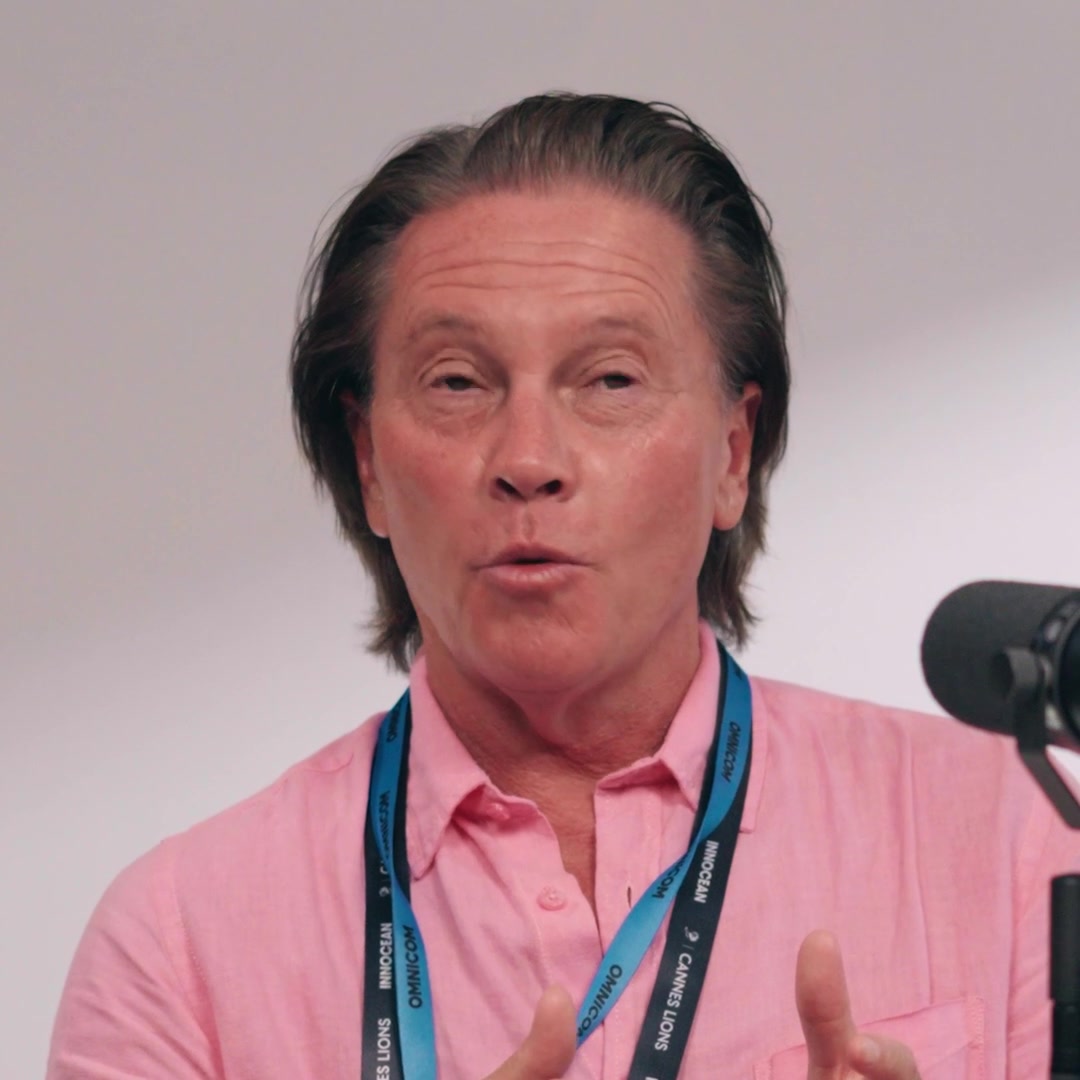
Carole Irgang has built a career on hard problems. A CPG marketer whose resume includes Kraft, IBM and Godiva, she has run agency and client teams, owned her own company and now works in insights and foresight at Philip Morris in the US. Her core belief about consumer truths is simple: the insights that change a business come from getting close to people and watching how they live.
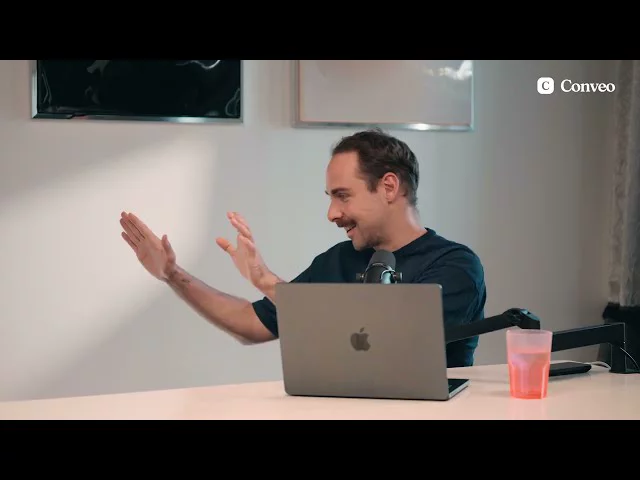
She made that case on Conveo's podcast, recorded live at Cannes Lions 2026. Her examples range from a laundry routine in Caracas to a question about nicotine pouch consumption that her team misread three times before they got it right. Across all of them, the pattern holds: watch real behavior, keep asking why, and turn what you learn into a story the business will act on.
The most valuable consumer truths only show up when you watch people live
Asked for the fastest way she has ever understood a customer, Irgang said she was unsure it was the fastest, but it was the best: she went into people's homes and watched them use the product.
The first story comes from Caracas, Venezuela, when she was working with P&G on Downy fabric softener. Her team visited low-income homes to see how women did their laundry. In one, three generations lived in a single room, and the kitchen and bathroom shared one sink. Irgang remembers wondering why this woman would spend money on fabric softener at all. It looked like an extravagance. Then the woman explained, in Irgang's retelling: "It's the only way I can really show my family when they leave here that I love them."
"There was no survey that was going to tell me that. I had to see her do it in the moment because it was so meaningful to her."
Carole Irgang, CPG CMO, ex-Kraft, IBM and Godiva
Irgang calls it a huge unlock for the work that followed. The second story comes from China, on a hair care brand. The team had a string of theories for why women did not use shampoo often, starting with price, since the product was premium priced. Then they watched a woman with very long hair wash it at night in a small sink with only cold water, and go to bed with a cold, wet head. Washing often was simply unpleasant. The brand ended up building positioning and storytelling around why the effort would pay off in better hair the next morning.
Price data would have pointed the team at the wrong fix. In-home observation pointed it at the real barrier. As Irgang puts it: "That's where you see all the little things that no study and no survey that you fill out is going to tell you." For teams thinking about how to build this into their practice, our guide to ethnographic market research covers the methods.
The question stakeholders ask is often the wrong one
Irgang's most recent unlock came from a question she kept failing to answer. Stakeholders at Philip Morris kept asking why a competitor's average daily consumption was higher than theirs. Her team searched internal data, ran exercises across many data sources, and came back empty-handed.
The turning point came when she started querying AI tools about how to solve the problem and which data she should look at. Somewhere in the responses was a suggestion that the answer might be about product experience. She realized the real question had been different all along: "what is it about that experience that they have with that product that makes people want to use it more?"
"It was a complete head flip," she says. The team pivoted to an entirely different kind of study, one that puts their product and a competitor's in people's hands and explores what makes one experience better. Her instruction to the team was blunt: "Stop looking for data because we're not going to find the answer because it's the wrong question."
She admits she misunderstood the question the first three times. Her broader point is that the rush of the day creates tunnel vision, and every so often an insights leader has to stop and ask what they are missing.
AI raises the bar for curiosity
Irgang is an enthusiastic AI user. She describes pulling her car over to the side of the road to ask a chatbot something that popped into her head, then asking 15 follow-up questions. That habit, she argues, is exactly what the job now requires.
"I think we have to be the guardians of why, honestly, in our business, because the more we can get to the place where I can stop asking why, then I know I've got my answer."
Carole Irgang, CPG CMO, ex-Kraft, IBM and Godiva
Her worry is complacency. She sees people, often younger professionals, willing to accept the first or second answer. For a weather forecast, that is fine. For big, hairy business problems, she says, the first answer is almost never the right one. "If you don't peel the onion back 12 more layers, you're not getting to that juicy middle part, which is where the good stuff is, right?" And the line that sums up her stance: "When AI dulls our curiosity, I think that's when we lose."
She applies the same skepticism to synthetic data. Irgang is running a test that matches real consumer persona data against synthetic persona data to see whether the synthetic version is as close to real people as it claims to be. If it is, she says, it could help her get to the future faster. She is clear that it is early days. Her reasoning for keeping humans in the loop is about how the machine works: it recognizes patterns in what has already happened.
"If the machine is always looking that the path is go left, go left, go left, how would the machine know to tell you to go right?"
Carole Irgang, CPG CMO, ex-Kraft, IBM and Godiva
Spotting the early, out-of-pattern signal, and knowing it is worth acting on, stays a human skill in her view. Our piece on synthetic participants versus real participants goes deeper on where that line sits.
Insights earns its seat at the table through stories people act on
Irgang describes her team as the tip of the spear. "We are the voice of the consumer in the room for the business," she says, and the only way to keep that seat is to keep bringing value. Sometimes that means answering the questions stakeholders bring. Sometimes it means provoking new ones.
Her frustration is the opposite of the one many people expect. "It's not like we're in a desert of information," she says. The hard part is having enough people and hours to act on all of it, and helping the business choose which lane to go after.
That is why she pushes her team to become storytellers. Reporting data is the easy part. The worst outcome, in her words, is a presentation that ends with everyone saying thank you and nobody asking a question or committing to an action. Her rule for the team: "If somebody can't do something with this, let's question the value of why we're doing it."
Her favorite example is an economic outlook her team prepared for a company meeting. It covered consumer sentiment, inflation, gas prices and much more. Irgang knew nobody would remember any of it, so the team asked more questions and found two memorable indicators: the lipstick index, where women keep buying small luxuries in hard times, and the underwear index, where men reportedly buy less underwear. She told her team that in a year, "not one person will remember one number that we shared, but everybody's going to remember the lipstick and the underwear." Her explanation is three words long: she made it human.
Done well, she believes this changes the role of the function entirely. "I think insights could be the new marketing," she says, because marketers cannot act well without a deep understanding of the consumer, the marketplace and the conditions they are about to launch into. For practical advice on that last mile, see our guide on how to present qualitative data so stakeholders act on it.
What this means for insights and marketing leaders
Irgang's experience points to a few concrete habits.
Budget for observation. In both the Downy and the hair care cases, the real driver sat outside anything a questionnaire would have asked. Watching people in their homes, or seeing their environment through their own eyes, surfaces the reasons behind behavior.
Interrogate repeated requests. When the same question keeps coming back and the data cannot answer it, the question itself may be wrong. Ask stakeholders what decision they are trying to make.
Set a probing standard. Make a second round of why part of how work gets reviewed, whether the source is a respondent, a dashboard or an AI tool.
Test synthetic against real. If you are exploring synthetic data, follow Irgang's approach and benchmark it against real people before you trust it.
Judge output by action. Count the decisions a piece of work changes, and treat the deck as a means to get there.
She also looks ahead to an integrated system where quant, qual and industry data feed strategy and activation, which in turn feed back into the data. In her view, the insights leader should orchestrate that flywheel.
Getting close to people is still the job
Irgang's stories span decades and continents, and the lesson in each is the same: the truth about why people do what they do sits in their lives, and you have to get close enough to see it. AI makes it easier to ask more questions. The curiosity to keep asking still comes from people, and so does the judgment to recognize the moment a woman in Caracas explains what fabric softener really means to her family.
That closeness is what Conveo is built for. Conveo's AI research assistant runs video conversations with real consumers, so insights teams can get to the why behind behavior faster. Her warning is about getting lazy and settling for the first answer. Her advice is to stay curious, stay close to people, and keep asking why.
Another guest from the same week at Cannes, Özge Akcizmeci, tells a similar story about an unplanned use for Swiffer cloths that only consumers could reveal.
Frequently Asked Questions
Who is Carole Irgang?
Carole Irgang is a CPG marketer whose career includes Kraft, IBM and Godiva. She has held agency and client leadership roles, ran her own company, and now works in insights and foresight at Philip Morris in the US.
What is the Downy story Carole Irgang tells?
While working with P&G in Caracas, Venezuela, Irgang watched a woman in a low-income home spend money on Downy fabric softener. The woman explained that soft, good-smelling clothes were the only way she could show her family she loved them when they left the house. Irgang says no survey would have surfaced that.
Why does Irgang say insights teams must be the guardians of why?
She argues the first answer, from a person or from an AI tool, is rarely the right one for a hard business problem. Insights teams earn their seat by probing until there is no further why to ask, and by refusing to let AI dull their curiosity.
How does Irgang make insights memorable for the business?
She pushes her team to tell stories. In an economic outlook for her company, the team paired the numbers with the lipstick index and the underwear index, because people remember human examples long after they forget the figures.
What does Irgang think about synthetic consumer data?
She is testing synthetic persona data against real consumer persona data to see how close it gets. Her view is that machines recognize patterns from the past, so humans still need to spot the early signals that point somewhere new.

About the author
Tom Husson
CMO
Tom is CMO at Conveo, where he leads marketing and builds the company's AI-native go-to-market engine. He hosts the Conveo podcast, recorded at Cannes Lions 2026 with brand, insights and marketing leaders.
More by Tom →Qualitative insights at the speed of your business.
Conveo runs AI-moderated video interviews and structures everything they say.