In this article
TL;DR
The brand belongs to consumers. The CMO is a steward of perceptions people already hold, so change needs their permission.
Build the receiver before you broadcast. Prepare the audience for a change before announcing it, or they read it through an old frame.
Transaction data shows what; people explain why. Click and sales data record behavior, while motivation, feeling and rejection come out in conversation.
Awareness is overrated. Knowing a brand and buying it are different things, and big view counts prove little.
Triangulate culture, market and consumer. Each lens answers a different question, and marketers need all three.
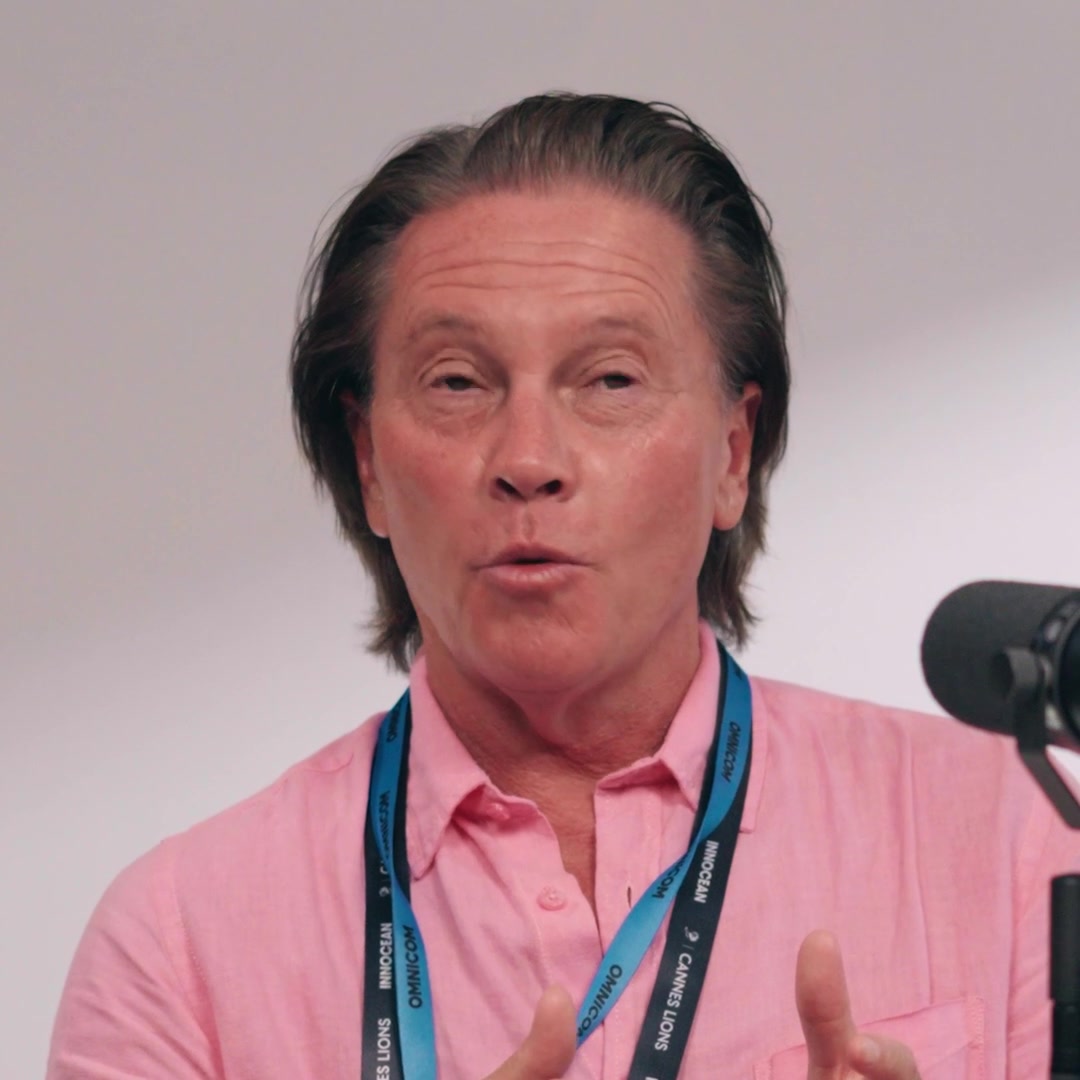
Christopher Nurko, former Chief Innovation Officer at Interbrand and former Global Chairman of FutureBrand, has ranked countries as brands, judged innovation at CES and advised brand owners through rebrands that worked and ones that did not. His argument about insight-led brands is simple to state and hard to practice: a brand belongs to the people who perceive it, so every bold move has to start with understanding them.
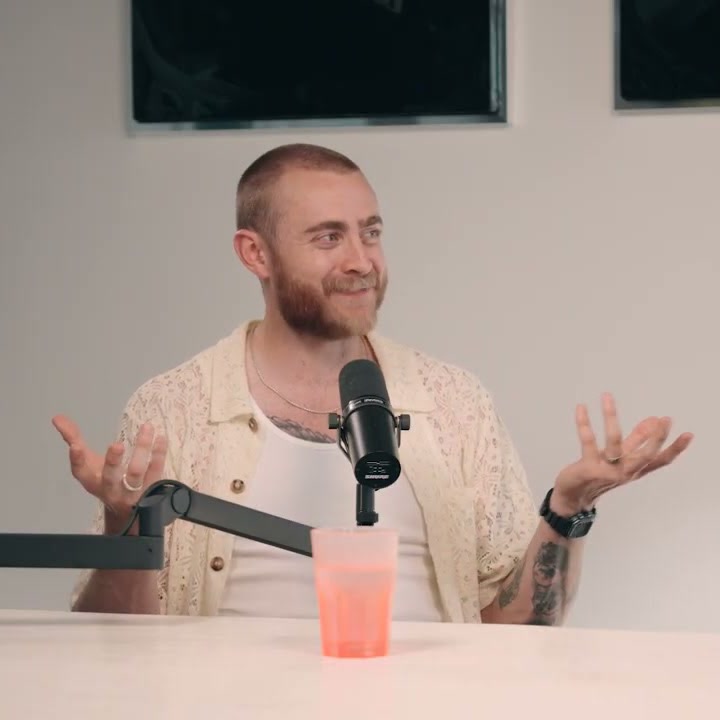
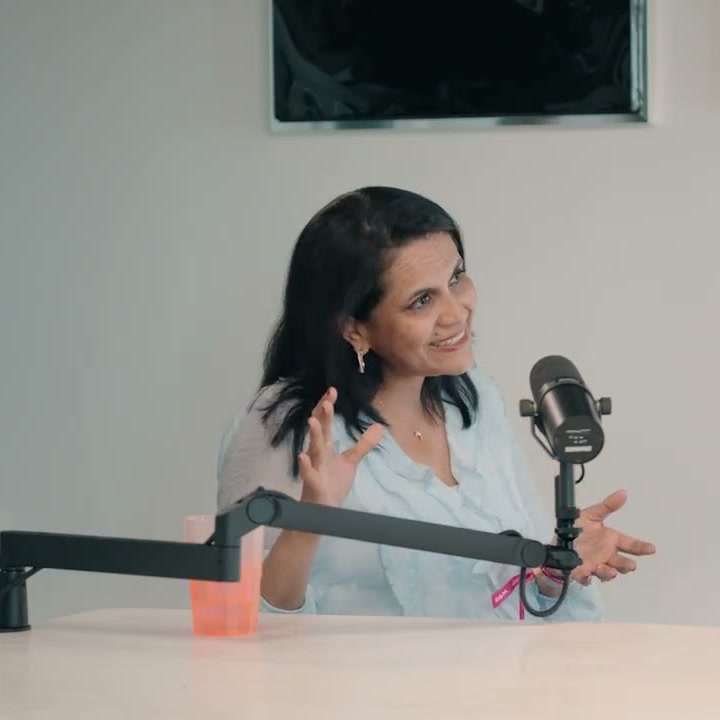
He made the case on Conveo's podcast, recorded live at Cannes Lions 2026, in a conversation with Tom Husson and Hendrik Van Hove. The examples ranged from Cracker Barrel's reversed logo to Pepsi putting Coca-Cola's polar bear in a Super Bowl ad. The thread through all of them was the same: the brands that win got the insight right before they acted.
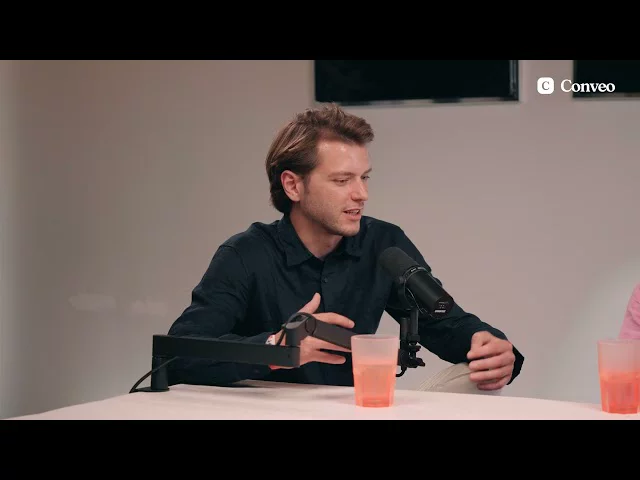
A brand belongs to its consumers, and the CMO is only its steward
Nurko's starting point comes from his country brand work. To rank a country you go to its citizens and to outsiders, compare internal and external perception, and calibrate both against what makes the place stand out. The lesson he draws for business is that the source of any brand ranking or decision is people, and you have to understand that source in full before you can use the data.
That leads to his view of who owns a brand. New CEOs and CMOs often want to leave their imprint through marketing, and Nurko has no quarrel with that. He just reminds them where the brand lives.
"A brand truly belongs to the consumers or the users."
Christopher Nurko, former Chief Innovation Officer, Interbrand
He uses a traffic light to decide how much change a brand can take. Red means the brand is no longer relevant, competitors have redefined the category or it is out of date, and a radical change may be warranted. Amber means it is drifting from the market. Green means things are going well, and that is where he sees CMOs make their worst mistakes, assuming customers will love whatever they do.
Cracker Barrel is his cautionary example. The restaurant chain changed its identity, faced an outcry that became a political and cultural moment, and reversed the change. In Nurko's reading, the company "treated the graphic identity element of Cracker Barrel as something that they thought they owned and could control." The goals were modernization and operational streamlining, internal concerns the customer does not care about. The data in the room, he says, was not telling the team how customers felt or why they chose the brand.
Transaction data tells you what happened, and people tell you why
Nurko is blunt about the limits of behavioral data. "The data alone, for example transactional data, doesn't tell you my motivation." Click data will show what someone bought and when it arrived. It will not show how they felt, why they bought online instead of in a store, or that they rarely think about the brand at all.
He defines insight as the link between those layers.
"The insight is the connecting the points of data between what someone thinks, someone feels and what their actions are."
Christopher Nurko, former Chief Innovation Officer, Interbrand
He also insists the flow goes both ways: "Research is not one way, insight is not one way, it's two-way." Brands learn from consumers, and consumers respond to what brands do with what they learned.
This is why he pushes back on lazy conclusions in research readouts. When an insight manager tells him customers are price and value conscious, his reply is "I don't know one consumer who's not value conscious." Everyone's sense of value differs by background and circumstance. If price is the only explanation a team has for why people are not buying, he says, the work is not finished. The brand may be competing with time, with a collaboration, or with a whole lifestyle ecosystem, the way Apple competes across watches, computers and music at once.
He adds a group most teams skip. In segmenting consumers, "you also need to understand who is not your consumer, who are the rejectors, and making sure that you understand why they reject you." Brands that try to appeal to everyone end up appealing to no one.
Build the receiver before you broadcast
The phrase Nurko says he repeats to clients most often came up in a discussion of Ferrari's first electric car. He does not think it is a bad product; it is beautifully designed. The problem, as he sees it, was preparation. Ferrari's code is red, yet the launch car was blue, and many of its owners buy the car to own it more than to drive it. The teasers, he argues, were built around the design and left out the insight about why people love Ferrari.
"Build the receiver before you broadcast."
Christopher Nurko, former Chief Innovation Officer, Interbrand
His point is that a brand has to shape how people will receive news before it sends it. If it skips that step, the audience hears the announcement through an old receiver, still expecting the brand they knew. He applied the same lens to Jaguar's rebrand, where the reveal was a concept car the company said it would not build, which left loyal fans rejecting a change with nothing behind it.
Brands that last show the alternative. Nurko points to Veuve Clicquot, whose label, color, bottle and story have stayed the same since the 19th century while its advertising has moved with the times, and to Louis Vuitton, whose signature pattern has not changed while the brand reached a far wider global audience. His model has three levels: identity assets that stay protected and continuous, communication that adapts with cultural fluency, and activation that keeps the brand fresh in the moment of need.
The boldest moves start with the right insight
The Pepsi story shows how far a sound insight can take a brand. Nurko credits Pepsi with seeing that soda's problem was the category itself, which was no longer seen as healthy, and buying the challenger brand Poppi instead of building its own. Then came the Super Bowl ad in which Coca-Cola's polar bear takes the Pepsi Challenge and chooses Pepsi.
He imagines the reaction inside the room when the idea came up, people asking whether the team was kidding at the thought of handing the biggest competitor all that airtime. Nurko mentions a 29% uplift for Pepsi and adds right away that he does not know how much of it came from that ad alone. What he is sure of is the attention: "What it got was attention and disruption and got people talking about Pepsi." The ad renewed the Pepsi Challenge for a generation that might not know it, kept attention on the story during a logo change, and fit Pepsi's long-standing role as the challenger.
He reads the De'Longhi and Wes Anderson coffee machine collaboration the same way. The insight was that De'Longhi buyers love good, stylish coffee. Pairing that with a culturally sharp director produced something that felt like more than the sum of its parts.
What this means for insights and marketing leaders
Nurko separates two lenses that are often blurred. "The consumer understanding starts with people who are messy. They're emotional. They make irrational decisions all the time." Market understanding is more factual: sales, channels, regions, return on spend. In his words, "The market understanding is the patterns of transactions and behaviors and evidence. Consumer understanding is who's buying it, why are they buying it, do they love it, are they rejecting it." Culture is the third lens. It explains why young people are drinking less alcohol, while market data only records that they are.
Several practical consequences follow from the conversation:
Give someone ownership of the truth about the customer. Nurko argues that "every company needs to have a chief customer officer or consumer officer." In his framing, "the job is to protect and preserve the truth, the accuracy of the rational and the emotional understanding" of the people a company serves.
Lead readouts with people. He has watched board members' eyes glaze over at research decks. Strong insight people, he says, open with a pen portrait of the audience and the patterns that connect behavior and perception, before any purchase data.
Run two speeds. Large brands need slower, inclusive work that builds foundations, plus a fast team for moments that cannot wait.
Check even the core. "Culture moves faster than brands and business." The assets a brand considers settled still need checking in on.
Question awareness targets. "Just because I know of you doesn't mean I buy you." A count of 1.7 million social views, in his example, proves awareness and leaves purchase an open question.
For teams building this practice, it helps to pair brand health tracking with work that explains the emotion behind the numbers, such as brand equity research. Wesley ter Haar made a related case about brand relevance in the AI era on the same set.
Insight first, then action
Asked for the fastest way he ever got to know consumers, Nurko described a method he pioneered at FutureBrand, inspired by Big Brother: strangers living together in a house, then traveling by bus from London to Berlin and Paris, filmed throughout. After a few days, people stopped performing. "The best and fastest way was live amongst them and just observe." It is the same principle as ethnographic market research, and it sums up his whole argument. Brands that understand people before they act can change boldly without losing the ones who already love them.
That is the work insights teams are trying to do faster today. Conveo's AI research assistant runs video conversations with real consumers, so insights teams can get to the why behind behavior faster and bring that understanding into the room before the decision is made.
Frequently Asked Questions
Who is Christopher Nurko?
Christopher Nurko is the former Chief Innovation Officer of Interbrand and former Global Chairman of FutureBrand. He helped start a country brand index earlier in his career.
What does Christopher Nurko mean by build the receiver before you broadcast?
He means a brand should prepare its audience for a change before it announces it, seeding what is coming so people interpret the news through an updated frame.
Why does Nurko call awareness an overrated metric?
Knowing a brand does not mean buying it or thinking well of it. He points to social views as an example: a large view count shows people are aware, and says nothing about whether any of them will buy.
What is the difference between consumer understanding and market understanding?
In Nurko's framing, market understanding covers the patterns of transactions, behaviors and evidence. Consumer understanding explains who is buying, why, whether they love the brand or reject it, and how that differs by place.
Why did Pepsi put the Coca-Cola polar bear in its Super Bowl ad?
Nurko reads it as a brave, insight-led move that reinforced the Pepsi Challenge for a younger generation, gave people a reason to talk about Pepsi and kept attention on the story during a logo change.

About the author
Tom Husson
CMO
Tom is CMO at Conveo, where he leads marketing and builds the company's AI-native go-to-market engine. He hosts the Conveo podcast, recorded at Cannes Lions 2026 with brand, insights and marketing leaders.
More by Tom →Qualitative insights at the speed of your business.
Conveo runs AI-moderated video interviews and structures everything they say.