In this article
TL;DR
Manual work is the bottleneck. Campaign tools are connected by people copy-pasting between tickets, CMS and DAM.
Six weeks is the baseline. Tallmadge hears a minimum of six weeks from brief to fully executed campaign.
Scale without insight is slop. Content at volume needs evergreen knowledge of what works with customers.
Approvals must be redesigned. QA agents can take some steps, while business owners keep the final call.
Velocity needs direction. Executing a bad idea faster only gets you to the wrong place sooner.
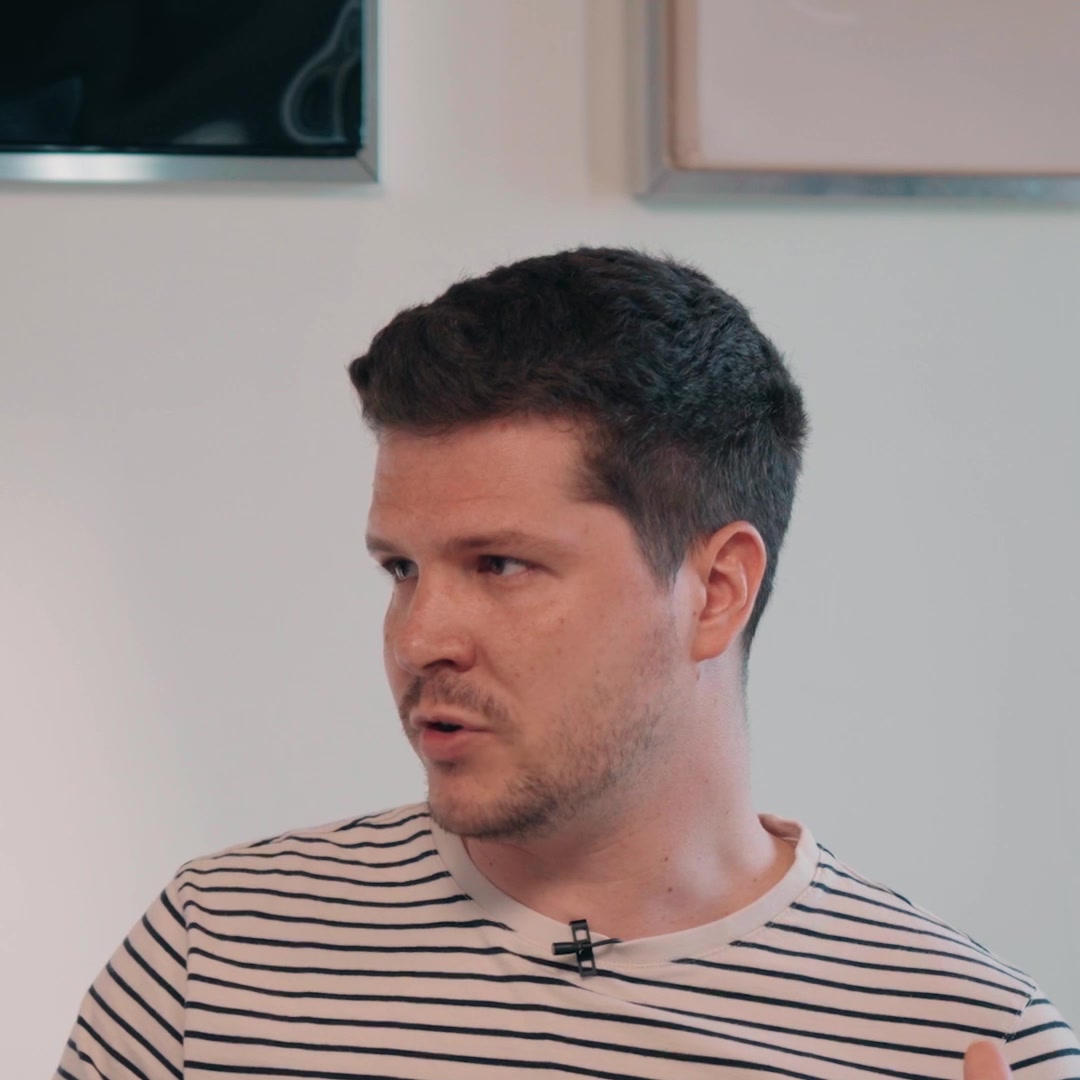
Doug Tallmadge, co-founder and CEO of Gradial, spent years on Starlink at SpaceX before turning to marketing. His verdict on AI-native marketing is blunt: campaigns are slow because humans carry information between a sprawl of tools, and once you automate that execution, the quality of your customer insight decides whether the speed is worth anything.
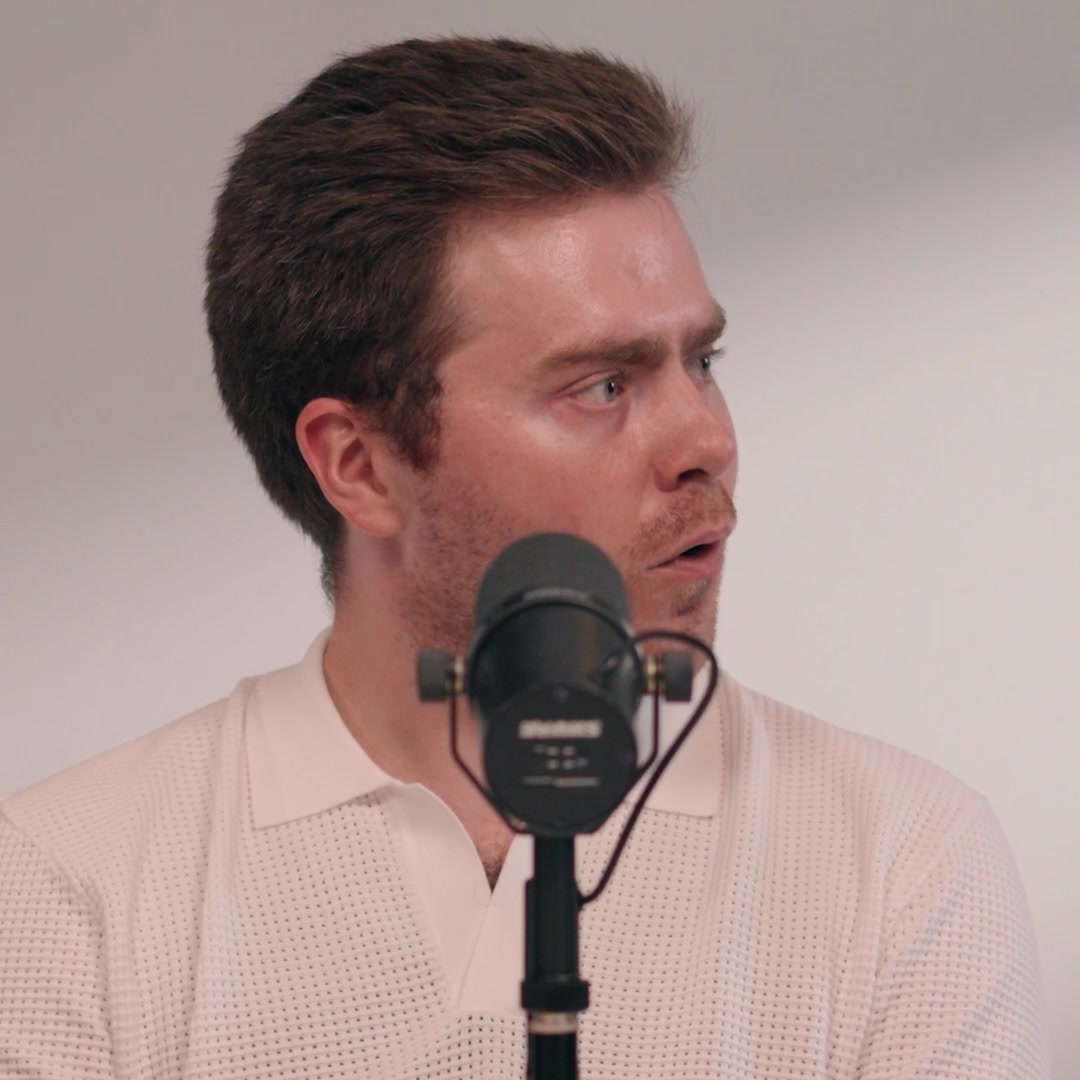
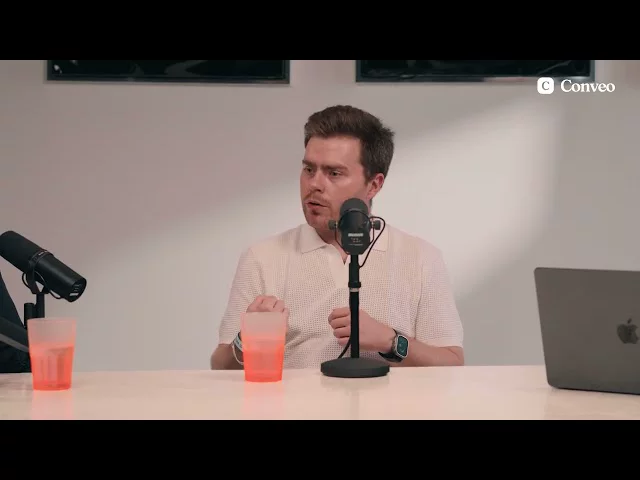
He made the case in a conversation with Conveo co-founder Hendrik Van Hove on Conveo's podcast, recorded live at Cannes Lions 2026. The two came at the same problem from opposite ends of the workflow. Gradial focuses on execution. Conveo works on the customer understanding that should steer it. Their shared conclusion was that marketing velocity means speed and direction together.
Campaigns move slowly because people are the glue between tools
Tallmadge opened with a comparison from his aerospace years.
"There's probably more software involved in a marketing campaign than launching a rocket."
Doug Tallmadge, Co-Founder & CEO, Gradial
He listed the CMS, the DAM and the email automation platform, and said he hears of another tool every week. The number of systems is only part of the problem. "I think the core problem here is all of them are connected by manual work," he said. Someone sits in a Jira ticket or in Workfront, copy-pasting so information gets from one end of the workflow to the other.
That manual layer has a cost beyond time. Tallmadge said marketers want to be more creative and think about which questions to ask and what insights customers actually want, but they often have no room for it because the process buries them. Gradial's job, as he described it, is to take the campaign strategy and execute it as fast as possible across those different software programs.
The numbers he hears are stark. The baseline is "minimum 6 weeks to go from campaign brief to fully executed campaign." He described a marketer who found it was closer to 100 days when she took her job, got it down to four to six weeks, and now wants it at four hours. "And you're not going to get to 4 hours if you're doing all of the steps manually," he said.
Tallmadge also named the pressure behind the push. CMOs he has spoken with, at Cannes and over the previous months, keep voicing the same anxiety about doing more with less.
"We're not growing our teams, we're not growing head count, things are not getting easier, but we're asked to process more channels, more decisions."
Doug Tallmadge, Co-Founder & CEO, Gradial
Insight and execution compete for the same scarce hours, he argued: "you only have as much time for one as you can actually solve with the other."
Faster execution makes slow insight the new constraint
Van Hove pushed the logic one step further. If a campaign can go out in days, a research study that takes six weeks no longer fits the calendar, and even three days to surface an insight starts to look slow. His proposal was to flip the sequence. Teams would run research ahead of time and keep a backlog of strong, validated ideas. Marketing would then draw from that backlog based on ROI, for example when a campaign looks saturated, so the business sets the timeline and research stops being a reactive scramble.
Tallmadge agreed, and tied it to the fear he hears most about generative content.
"If you don't have some evergreen content of information about what's working with customers, what's that human connection we can establish, then you can't go scale content. You can't go scale outbound. Otherwise, you're going to end up with AI slop."
Doug Tallmadge, Co-Founder & CEO, Gradial
Marketers want a larger presence across many channels, he said, and they want it to feel authentic. "How do I do it authentically? I have to understand my customer." A six-week work back to get that understanding defeats the purpose. What he wants is a repository of customer knowledge that every campaign can draw on. Insights leaders will recognize that as the idea behind customer intelligence management: research treated as reusable infrastructure that outlives the project that paid for it.
He also argued for an open ecosystem of agents, with no single vendor trying to be "the agent to rule them all." In his words, "It's an agent that talks to another agent." On the Gradial side, he said, the goal is for agents producing email campaigns, web updates and blogs to be grounded in data.
Human judgment stays in the loop, and approval flows have to change
Van Hove raised change management: agents still need a human in the loop, and organizations have to absorb a big jump in speed. Tallmadge's answer started with what makes marketing different from other functions.
"It's actually very outwardly facing and you're trying to tell a story and elicit emotions in a customer."
Doug Tallmadge, Co-Founder & CEO, Gradial
That makes the human element essential. "The human part of it is very intrinsic and you can't capture that if you don't have human eyes on the content that's going out," he said. He contrasted single-player AI tools that live on one person's laptop with a shared surface where a marketing team can collaborate, review and approve, for instance pinging the right person on the brand team to confirm the asset for the website.
The same applies to insight. "You want to have that grounded in what's the actual truth of how customers are really seeing this," Tallmadge said. The signals that matter can be "very small effects that are going to be very hard to simulate if you don't have real data." That point lines up with the debate over synthetic respondents and real participants: models can extrapolate, but subtle shifts in how people feel come from talking to people.
On approvals, he was direct. "I think the approval flows have to innovate, they have to change," he said, noting that stakeholder rounds at a large enterprise are a big part of those six weeks. He sees a split. "There are some approvals that can actually be an agent where it's like a QA agent that's actually doing the approval of some steps." Other steps need an owner: "maybe the person who owns the business outcome needs to see that final campaign asset before it goes out the door." Nobody, he added, launches a Super Bowl commercial without watching it first.
Van Hove put the harder part on leadership. In his view, hiring for a growth mindset, taste and agency matters, but "what's going to be harder is for leadership to bring the new culture and permission in their team so people can embrace the tools and make those decisions and not be bogged down by approval flows."
Speed only pays off when it points the right way
Tallmadge described marketing as a competitive sport where the work never finishes. "Marketers are never done," he said. A brand never reaches the point where everyone already knows its story and it can stop. That leads to Gradial's goal.
"Our North Star is how do you achieve marketing at the speed of thought?"
Doug Tallmadge, Co-Founder & CEO, Gradial
He was quick to name the catch: you also need good thoughts. With a bad vision, fast execution just gets you to the wrong spot sooner.
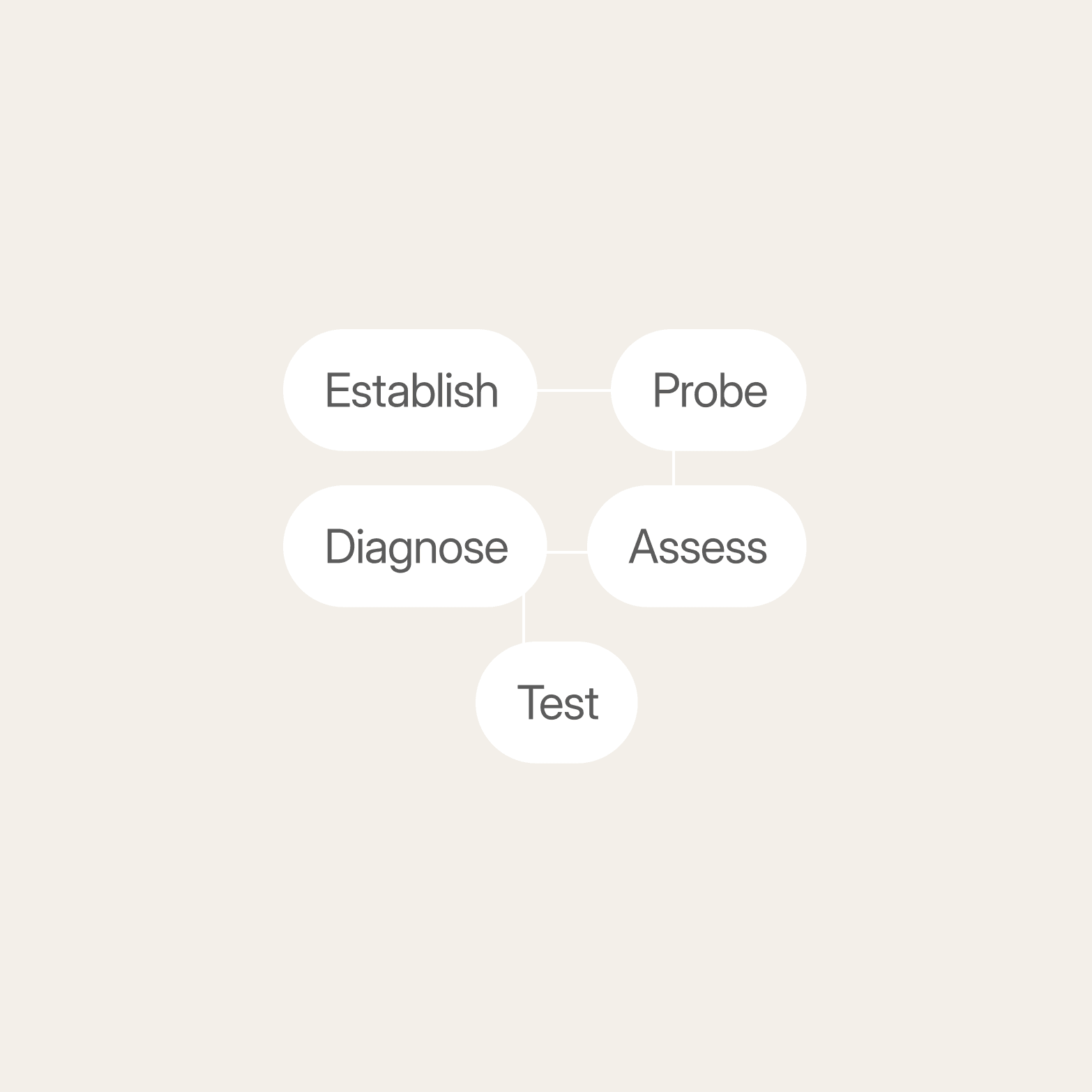
The conversation then turned to velocity, which is speed with direction. With a thousand times the leverage, a one degree error decides whether you reach Mars orbit or miss the planet entirely. Building customer understanding as infrastructure is what produces the good thoughts, and fast execution carries them out. Conveo's team already had the idea on the wall: a board in the office reads velocity equals direction and speed.
Van Hove framed the stakes in growth terms. "Everyone is now surfing the wave of efficiency and trying to do more with less," he said, but "those efficiencies will be distributed and then it's again about how can we drive market share, how can we provide more value to our clients." Cost savings eventually run out. Growth does not have that ceiling.
What this means for insights and marketing leaders
For leaders who own research and brand, the conversation points to a few practical shifts.
Plan for execution to stop being the bottleneck. If campaign production drops from weeks toward days, research cycles become the slowest step. That is a reason to look hard at how to reduce time to insight, and to judge research by whether it is ready when the business needs it.
Build the backlog before the brief. Van Hove's idea of a stockpile of validated ideas changes the insights team's posture. Research runs continuously, findings are stored so they can be reused, and marketing pulls from them when the ROI case is there.
Ground every agent in real customer evidence. Tallmadge's warning about AI slop applies to every channel. Content agents and outbound systems are only as authentic as the customer understanding they draw on, and the small effects that matter are the hardest to simulate.
Redesign approvals deliberately. Decide which checks a QA agent can handle and which need the business owner. Then, as Van Hove argued, give teams explicit permission to act inside those guardrails. The same theme runs through Ravi Rabheru's view of AI adoption and research infrastructure.
Velocity starts with knowing where to aim
Tallmadge's argument comes back to one equation. Automating the manual work between marketing tools can collapse campaign timelines, and teams should push hard on that. But a faster engine magnifies whatever direction it is pointed in, so the competitive edge goes to teams that pair execution speed with a deep, current picture of their customers.
That is the half of the equation Conveo works on. Conveo's AI research assistant runs video conversations with real consumers, so insights teams can get to the why behind behavior faster and keep that understanding ready for the moment marketing wants to move.
Frequently Asked Questions
Who is Doug Tallmadge?
Doug Tallmadge is co-founder and CEO of Gradial, an AI startup focused on executing marketing campaigns across the software stack. Before Gradial he worked on Starlink at SpaceX for a number of years.
How long does a marketing campaign take from brief to launch?
Tallmadge says the baseline he hears is a minimum of six weeks from campaign brief to fully executed campaign. One marketer told him it was closer to 100 days when she started her job, and she now wants to get it down to four hours.
What causes AI slop in marketing content?
In Tallmadge's view, scaling content and outbound without evergreen knowledge of what works with customers produces AI slop. Authentic presence across many channels depends on understanding the customer first.
Do AI agents remove the need for human approval in marketing?
No. Tallmadge expects some approval steps to move to QA agents, while the person who owns the business outcome still reviews the final campaign asset before it goes out.
What does velocity mean in AI-native marketing?
Velocity is speed plus direction. Fast execution only creates value when the ideas behind it are sound, which is why customer understanding has to sit underneath an accelerated marketing workflow.

About the author
Tom Husson
CMO
Tom is CMO at Conveo, where he leads marketing and builds the company's AI-native go-to-market engine. He hosts the Conveo podcast, recorded at Cannes Lions 2026 with brand, insights and marketing leaders.
More by Tom →Qualitative insights at the speed of your business.
Conveo runs AI-moderated video interviews and structures everything they say.