In this article
TL;DR
Start with the brand and the consumer. Ehrlich anchors every idea in what the brand stands for, then looks outside beauty.
Borrow insight from other worlds. Clinique's Crayola collaboration and its women's rugby program both grew from trends outside the category.
Amplify what consumers start. When TikTok rediscovered Black Honey, a 1970s lipstick, the team amplified authentic posts and left the product unchanged.
Resonance first, media second. Seed products and build experiences, then put media behind what is already working.
Hire for quality of thinking. Exposure to different industries sharpens thinking more than deep specialization in one.
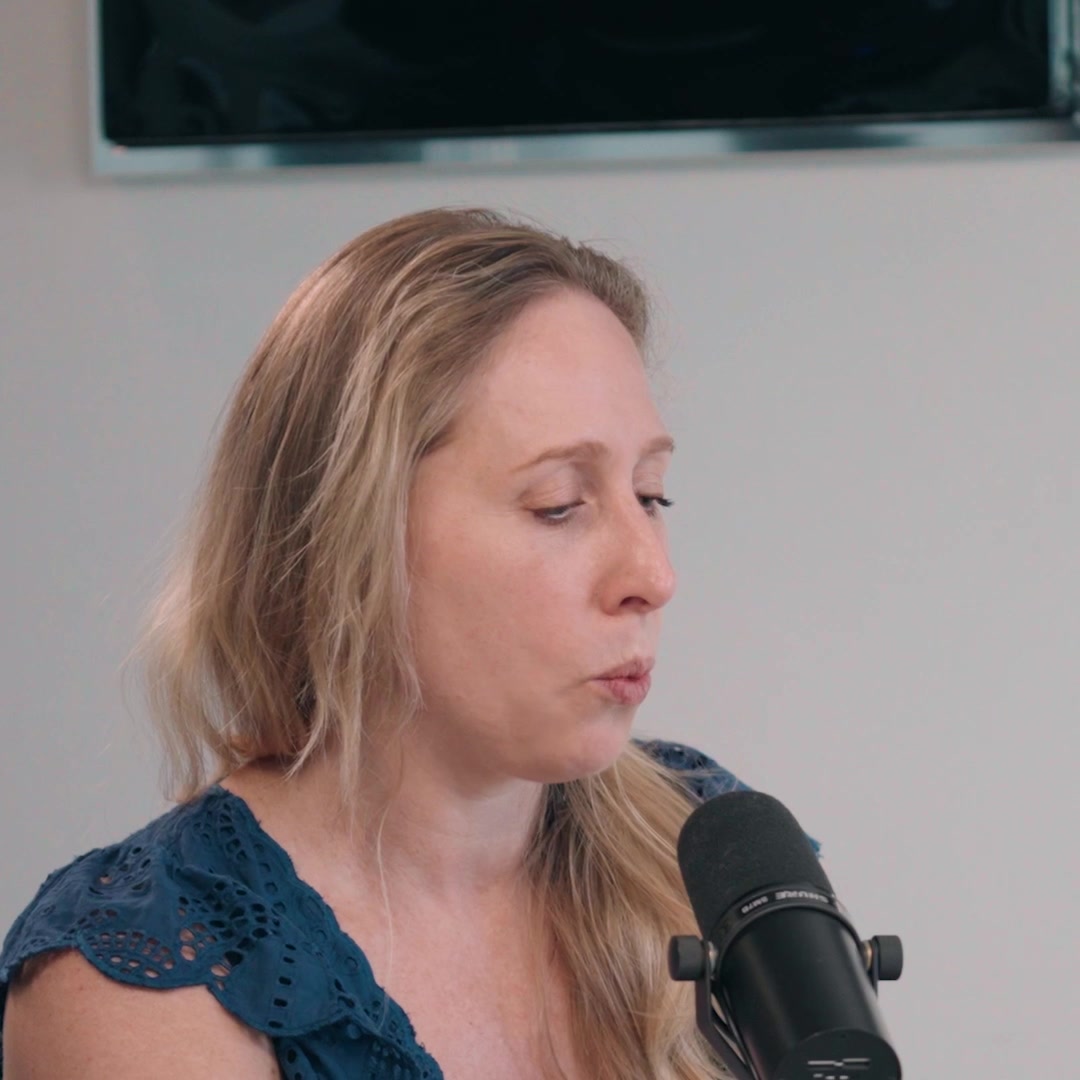
Karen Ehrlich, VP & GM Skincare at The Estée Lauder Companies UK & Ireland, believes category innovation in beauty starts outside beauty. Her method is to get clear on the consumer and what the brand stands for, then search culture, communities and other industries for the insight competitors will miss. Staying inside the category, she warns, produces the same ideas every other brand is having.
Ehrlich, who has worked across personal care, luxury spirits and prestige beauty, laid out the approach on Conveo's podcast, recorded live at Cannes Lions 2026. Most of her examples come from Clinique: a collaboration with Crayola, a lipstick from the 1970s that TikTok rediscovered and a grassroots women's rugby program. Each began with a consumer tension and ended somewhere no beauty brief would have pointed.

Marketers make strong general managers because they start with the consumer
Ehrlich agrees with the idea that the best GMs have a CMO background. When everything a company does has the consumer at its heart, she argues, it can deliver better products, services and propositions, and marketers are trained to find the insights that make that possible. General management lets her carry that consumer knowledge into the point of sale, direct-to-consumer and the way consultants are trained. "It pushes the boundaries of marketing and goes beyond media," she says.
Across every category she has worked in, the common thread is closeness: "to be close to the consumer to listen to what they're saying in their own words." Formal research has its place, she says, but the deepest insights come when her teams interact with consumers directly. AI tools now add a second layer, helping her teams read consumer sentiment in reviews and social conversations after a launch so they can fine-tune the message.
Clinique's best ideas came from trends outside beauty
The Crayola collaboration began with a product. Clinique was relaunching Chubby Sticks, a makeup range in a stick format close to a crayon, and the objective was "to take the pressure out when consumers want to use makeup." Ehrlich saw a culture full of pressure from makeup brands about techniques and the right brushes. Clinique wanted the opposite.
"We want makeup to be playful, to be fun."
Karen Ehrlich, VP & GM Skincare, The Estée Lauder Companies UK & Ireland
The campaign concept was play with color, so her team went looking for what that meant to consumers in culture. Among millennials they found two trends: nostalgia for the 1990s, a comfort zone in a hectic world, and a return to coloring as a mindful way to take the pressure off. Crayola fit both, and the two brands share values consumers trust. Ehrlich skipped a traditional media plan, built brand experiences and invited influencers and consumers into the world the two brands had created. "From there we let the consumers tell the story," she says. She reports rising recruitment and sales, and TikTok engagement she calls "just crazy."
The women's rugby program went further afield. Clinique's promise is confidence through great skin. When the team studied insights around confidence after COVID, they found many young women struggling with confidence as their bodies and skin changed, and many girls dropping out of sport. They lacked role models. They often wore the same kit as boys, used changing rooms built for men and sometimes had no mirror. Yet girls who play sport young build confidence that lasts a lifetime.
Clinique responded with a grassroots program: a competition for English rugby clubs offering funds and skin education. In year one, Ehrlich says, social engagement ran 50% above the average for traditional brand content. Year two added athletes telling their own stories about skin confidence. For the women's World Cup in London, Clinique partnered with the Red Roses, England's team. She says independent research showed the program lifted both awareness and consideration.
The method: start with the brand, then connect dots across industries
"First thing for me is always start with the brand," Ehrlich says. Once that is clear, she pushes her team into culture and communities, with one firm rule.
"Don't stay focused only on beauty because otherwise we're just creating a lot of ideas that are the same as every brand is doing."
Karen Ehrlich, VP & GM Skincare, The Estée Lauder Companies UK & Ireland
The team crosses in-house research with third-party data. For rugby, the starting question was what was happening in the world around confidence. For Crayola, it was what was happening around playfulness and coloring. Once they find something interesting, they validate it, and "from that insight we create a big idea." She calls it lateral thinking: "trying to connect dots with other industries and space."
Tools have sped up the first step. In-house social monitoring tools now surface trends in real time, work that once took her team up to two weeks of going post by post. The team is also testing new AI tools to explore themes. Validation depends on the project, because "marketing is art and science." Sometimes intuition carries the call, and sometimes the insight needs more research.
Sensitive skin is one insight her teams have tracked for years. During lockdown, she says, "people got so stressed that we saw the mentions around sensitive skin really rise." The group launched Dr. Jart+, one of its Korean skincare brands, in the middle of the pandemic with an AR experience that dropped people into the noise and pollution of Piccadilly Circus before shifting to calm and introducing the products. It went from insight to campaign in six months. Clinique is now launching a range for very sensitive skin that runs from skincare into makeup, a space where Ehrlich says almost no one is talking about makeup.
Asked for the one update she would install in every marketer's head to make them better at launches, she went straight back to the category line.
"Don't be afraid to dare think outside your category. Push the boundaries. Start with the consumer and your brand."
Karen Ehrlich, VP & GM Skincare, The Estée Lauder Companies UK & Ireland
Black Honey shows that consumers can lead and brands can follow fast
Black Honey is a Clinique lipstick created in the 1970s. Ehrlich says it was "rediscovered by the young consumers in [TikTok]" because it delivered on what they wanted: one universal shade that is easy to use, looks different on every person and is inclusive.
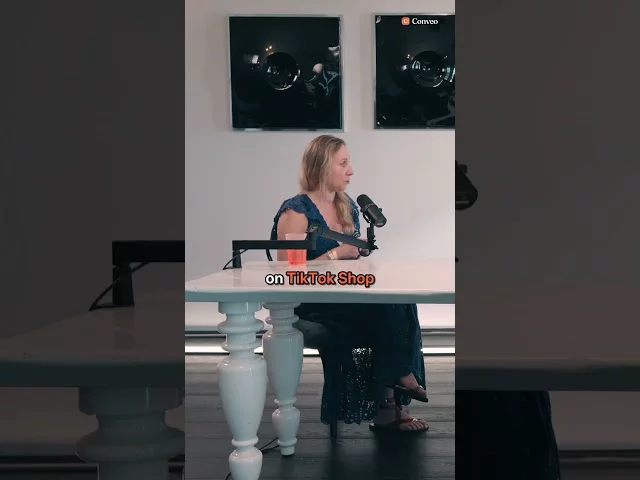
"So no credit to us because it was not an activity that was created by us. But when we saw something trending, I think we were smart to amplify that really fast."
Karen Ehrlich, VP & GM Skincare, The Estée Lauder Companies UK & Ireland
"So the product is exactly the same," she says. What changed was the go-to-market: seeding to the right communities of influencers, brand activations in the UK and line extensions into Nude Honey and Pink Honey. Media came last.
"The first thing is to ensure that has this emotional resonance with consumers. If we achieve that, the amplifying piece is easy."
Karen Ehrlich, VP & GM Skincare, The Estée Lauder Companies UK & Ireland
The story had a second turn. Gen Z bought first. Over the following years, older consumers started buying too, without any marketing aimed at them, because "the daughters were influencing their mothers to also buy the product." For Ehrlich, that argues for planning around "attitudes and consumer needs" over fixed demographic targets. It also answers a question she often hears about competing with indie brands. Clinique has more than 50 years of history, consumers trust it, and here they rediscovered a product from the portfolio with no new innovation required.
What insights and marketing leaders can take from Ehrlich's approach
Her examples share a pattern insights teams can use directly.
Treat culture as a research input. Her biggest ideas came from coloring, nostalgia and girls' sport, all outside beauty. A brief that only asks about the category returns category answers. Our guide to beauty market research covers how to get findings in before the decision closes.
Use social as the seed and people for the depth. Her fastest way to know young consumers is time on TikTok and Instagram, which she calls "a big unlock." She also says the deepest insights come from interacting with consumers directly. Social shows what people say. Conversations explain why. Building both into an always-on market research intelligence practice keeps the signal flowing.
Know your non-negotiables. Repeat buyers expect the same experience every time, and Clinique's trust rests on that. Innovation sits on top, because "you need the relevancy to continue recruiting new consumers." Teams that manage an innovation pipeline need both lists written down.
Partner for intention. With partnerships, she starts from intention and how two brands can combine into something bigger. Reach and attention come after.
Watch the optimization trap. "We just need to be careful with AI optimization at all costs." Brand experiences and stories can lack tidy KPIs and still build the brand.
Hire for range. Experience across industries sharpens thinking. In her words, "what is really important is the quality of the thinking and you can just push the quality of thinking when you are exposed to very different avenues."
A similar story of consumers using a product in ways the brand never planned appears in how Swiffer learned from unplanned product use.
Pushing boundaries starts with knowing consumers well
Ehrlich's approach follows a clear order: know the consumer and the brand, then leave the category to find what nobody else in beauty is seeing. The Crayola collaboration, the rugby program and the Black Honey revival all followed it.
That order depends on hearing consumers in their own words first. Conveo's AI research assistant runs video conversations with real consumers, so insights teams can get to the why behind behavior faster and spend more of their time on the cross-category connections that turn an insight into a big idea.
Frequently Asked Questions
Who is Karen Ehrlich?
Karen Ehrlich is VP & GM Skincare at The Estée Lauder Companies UK & Ireland. She has worked across personal care, luxury spirits and prestige beauty, and moved from marketing into general management.
How does Karen Ehrlich approach category innovation in beauty?
She starts with the consumer and what the brand stands for, then pushes her team to look outside beauty at culture, communities and other industries. The team crosses in-house research with third-party data and validates an insight before building a big idea on it.
Why did Clinique partner with Crayola?
Clinique was relaunching Chubby Sticks, crayon-shaped makeup meant to take the pressure out of makeup. Ehrlich's team found millennials embracing 1990s nostalgia and coloring as a mindful activity, and Crayola matched both trends.
How did Clinique Black Honey become popular again?
Young consumers rediscovered the lipstick, created in the 1970s, on TikTok because its one universal shade is easy to use, looks different on everyone and feels inclusive. The team kept the product the same and amplified the authentic posts.
What should brands keep fixed when they push boundaries?
Ehrlich says to question everything while protecting the trust-based non-negotiables that repeat buyers expect. Partnerships should start from intention, and teams should be careful with AI optimization at all costs.

About the author
Tom Husson
CMO
Tom is CMO at Conveo, where he leads marketing and builds the company's AI-native go-to-market engine. He hosts the Conveo podcast, recorded at Cannes Lions 2026 with brand, insights and marketing leaders.
More by Tom →Qualitative insights at the speed of your business.
Conveo runs AI-moderated video interviews and structures everything they say.