In this article
TL;DR
Build bottom-up. Raghavan says global brands succeed locally by starting from local behavior, the way McDonald's did in India.
Local pride is rising. Consumers want global brands, she says, in a local version.
Traditional research still finds the big idea. Tata.ev's positioning came from ethnography, shop-alongs and a strategist's judgment.
Data informs, imagination decides. Brand work is becoming more scientific, and Raghavan wants marketers to keep the skill of making the leap.
Believe the customer. The industry too often hears customers and decides it knows better.
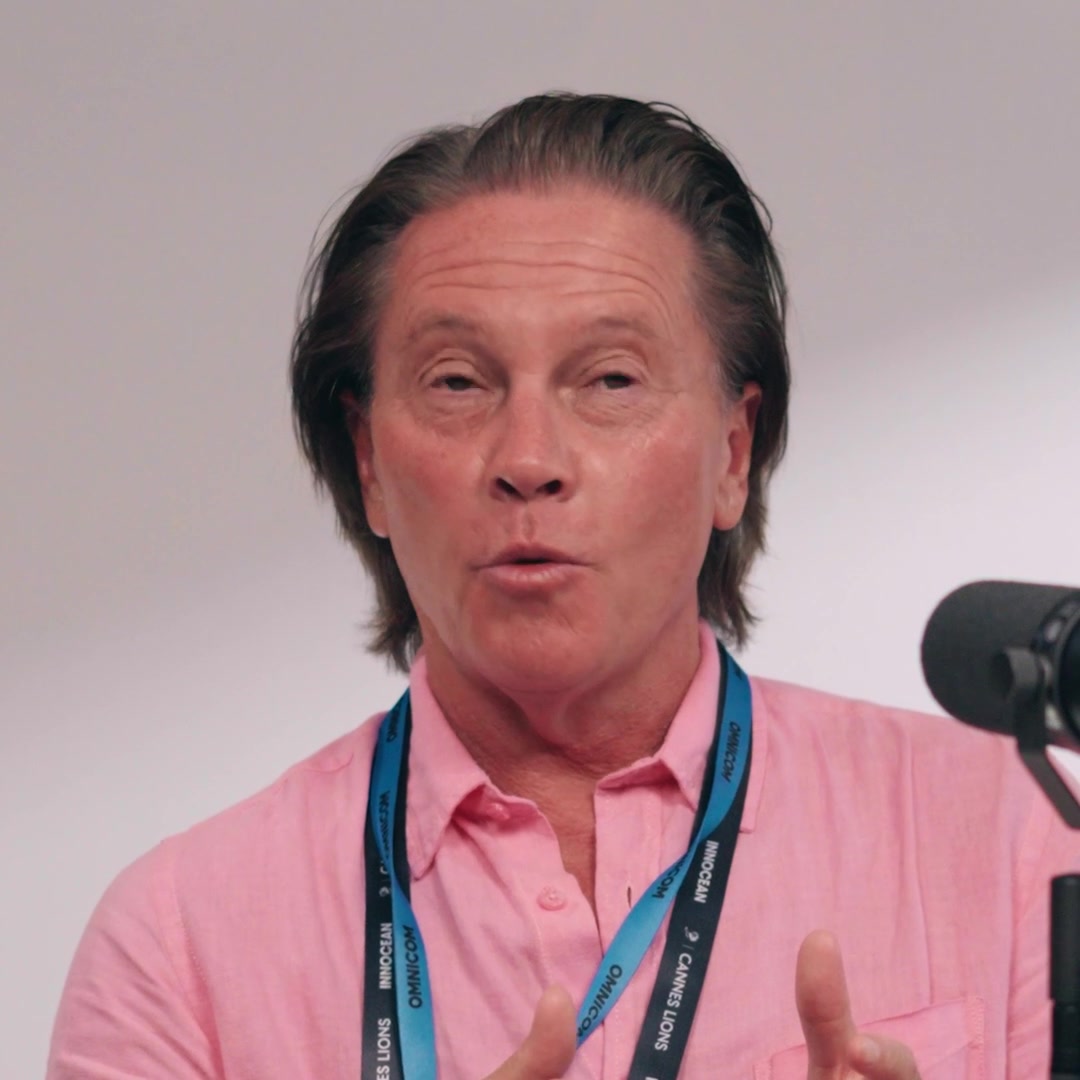
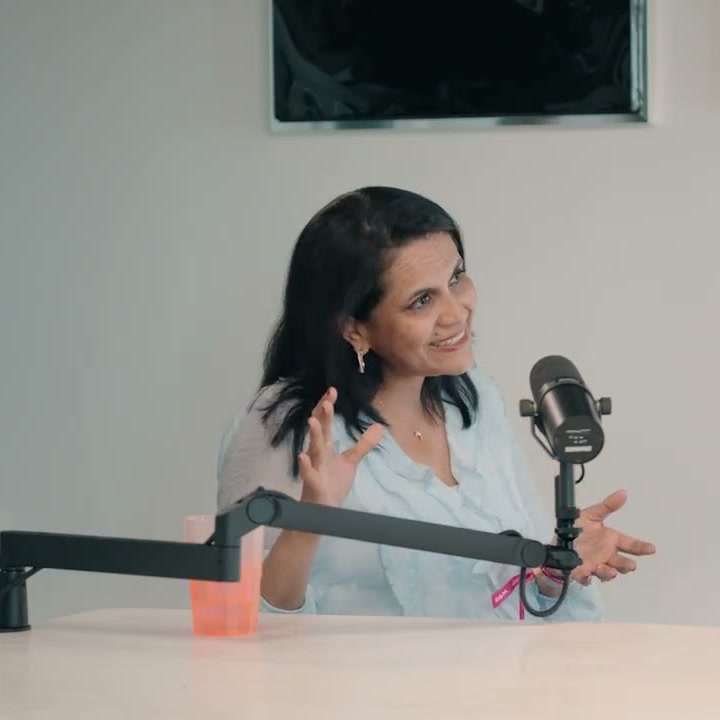
Lulu Raghavan, President APAC at Landor, has spent 25 years at the brand consultancy, across San Francisco, New York and London, and set up its India office. Her core belief about building brands across cultures is that the work has to start bottom-up. McDonald's entered India by studying how Indians eat and building from there.
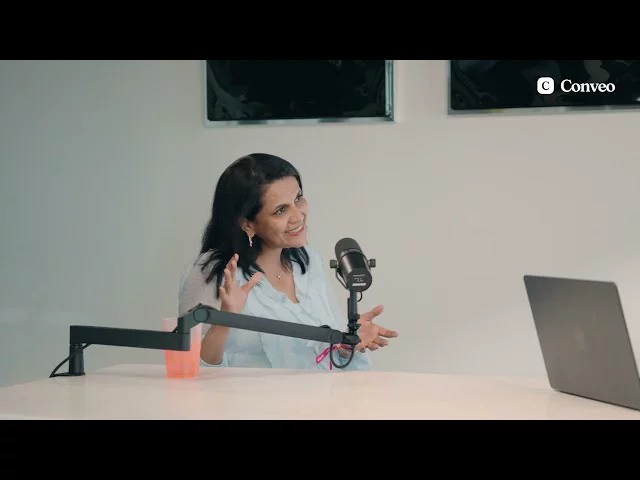
Raghavan explained her approach on Conveo's podcast, recorded live at Cannes Lions 2026, between long days on a Cannes Lions jury. She covered McDonald's bottom-up research in India, the Tata.ev launch, the growing role of data in brand decisions and the customer truth she thinks the industry still resists.
Global brands win locally by starting from local behavior
Asked what she would teach in a class on glocal brands, Raghavan's first chapter was clear.
"I think it has to be bottom-up, not top-down."
Lulu Raghavan, President APAC, Landor
Her example is McDonald's entry into India. In her account, the company started from Indian eating habits. "They studied the patterns of food and how people consumed in India, the taste preferences. They even grew vegetables in India," she says. The vegetarian McTikki, she says, was built from that work.
She tells the McDonald's story in this clip.
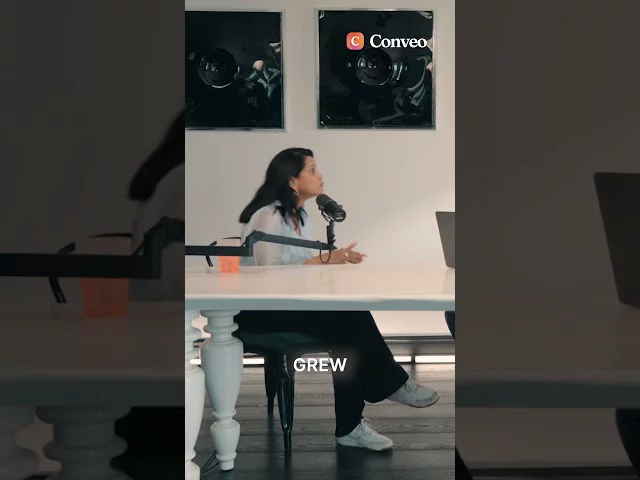
Raghavan says the industry has changed a lot here. When she started in the US 25 years ago, consumers bought into brands with global meaning, and big American names stood for roughly the same thing everywhere. Some global brands carried "a lot of hubris of we know the world, we have our brand," she says. That has shifted.
"Consumers everywhere have so much agency, so much power, so much pride in local, that while they want global, they want a local version of it."
Lulu Raghavan, President APAC, Landor
The result, in her view, is that "a global brand would not dare to launch in Thailand or Korea or India without actually having deep research of how the consumers will embrace their brands." She sees the same pattern in hospitality. Travelers once wanted the comfort of an American experience abroad. Now they want a sense of place, so large hotel groups research what makes a hotel belong to its city before working out how to make it a Hilton, a Marriott or a Taj. She calls it "this whole notion of authentically local."
The big idea still comes from traditional research and a strategist's eye
Raghavan's Tata.ev work shows what bottom-up looks like on a single launch. About five years ago, she says, consumers in India were becoming environmentally conscious and wanted to learn about electric vehicles, but automakers simply churned out EVs and left buyers to do their own research. Landor and Tata Motors' passenger vehicles division reframed the showroom as a place of education, inspiration and community, and built the brand on conscious mobility, captured in the line "move with meaning."
Asked how the team reached that level of customer understanding, she was blunt: "You may not like it, but it was traditional research." That meant ethnographic research: observing consumers, talking to people exploring EVs in other showrooms, one-on-one walk-alongs and shop-alongs, plus secondary research.
Turning observations into a direction took a structured step. Landor ran a two-day hybrid workshop with the client, online and in the room, and put every insight about the consumer, the category, competitors and cultural context on a shared board. Then judgment took over. "It's a strategist trained eye, right? Of figuring out which of these we can really hang our hat on," she says. That is where the core idea for the brand's positioning emerged.
Data has made brand strategy more scientific, and the leap still belongs to people
Raghavan says the balance between data and gut has moved. Focus groups and limited data used to leave a big leap of faith, and "the marketer had to have the courage of their convictions." Over the past seven or eight years, she says, Landor has seen companies make data-backed decisions on high-stakes brand questions, using modeling that connects a brand choice to consumer behavior, affinity and business impact. It is not foolproof, she adds, and it is expensive, so in many developing markets brand calls still lean on intuition.
The shift has a side effect she does not like. "We see with some clients they almost don't want to take responsibility for the intuitive leap," she says. Her own view is that brand work needs both, with data to inform and a person to choose. A marketer, she says, has to have "that imagination of which path will take you to achieving your vision."
She worries about a generation of marketers so dependent on the science that they lose the training to make those calls. And she doubts a machine can yet replace one source of insight in particular.
"The insight that you draw because you're sitting next to a consumer and you're observing and you're feeling and you're connecting the dots. I don't know if a machine can do that."
Lulu Raghavan, President APAC, Landor
Her jury week reinforced the point. "We were expecting to see lots of entries which had a lot of AI in it. But actually we're seeing work where the emphasis is on the human craft," she says. She reads it as creatives going back to things you can touch and feel. AI has also leveled the writing of award entries, which used to vary in quality. "In some ways, it's become bland as well," she says.
The customer truth the industry resists: the customer can be right
Asked for a customer truth her industry still refuses to believe, Raghavan answered: "That the customer can be right, or is right." In her experience, "sometimes we don't believe what we hear from the customer, and we say we know better."
She draws the line at servitude. Customers who abuse airline or hospital staff are not right, she says, but brands still carry the job of designing journeys that handle things going wrong, with proactive communication and a plan B. Her broader rule: "the best businesses are built on the notion of the customer is right."
Her fastest route to understanding a customer points the same way. Landor's CEO, she says, has a concept of fast intimacy: in the first few minutes, ask questions and show some vulnerability so the other person lets their guard down. What you get, in her words, is "pure gold."
What it means for insights and marketing leaders
Raghavan's lessons translate into a few concrete habits.
Research the market before the template. Entering a new country or segment starts with how people there live and buy. Adaptation of a global playbook comes second.
Keep observation in the mix. Ethnography, shop-alongs and time spent next to consumers produced Tata.ev's big idea. Fast tools should add to that kind of depth.
Make insight a team sport, then decide. Put the full picture in front of the client team, then let experienced strategists choose the one idea to build on.
Use data to inform the leap. Modeling reduces risk on high-stakes brand calls. Someone still has to own the call.
Take customers at their word more often. When research contradicts the plan, the plan deserves the scrutiny first.
Teams that want this kind of understanding on an ongoing basis can look at always-on market research intelligence as a way to keep local insight current between big studies.
Bottom-up brands need a steady line to the people they serve
Raghavan's argument comes down to humility and proximity. McDonald's in India, Tata.ev and the hotel groups chasing authentically local all started from what people actually do and want, then let skilled strategists decide what to build. The brands that skip that step, she suggests, are the ones still carrying old hubris.
Staying that close to consumers in many markets is hard work. Conveo's AI research assistant runs video conversations with real consumers, so insights teams can get to the why behind behavior faster, while the strategists who know the brand and the culture make the leap.
Frequently Asked Questions
What does Lulu Raghavan mean by bottom-up brand research?
Starting from how people in a market actually live, eat and buy, then building the brand around that. Raghavan contrasts it with taking a global template and asking how to customize it for a new country.
How did McDonald's apply a bottom-up approach in India?
According to Raghavan, McDonald's studied local food patterns, consumption habits and taste preferences, and even grew vegetables in India. She says the McTikki, a vegetarian McDonald's burger, came out of that work.
What research shaped the Tata.ev brand?
Raghavan says it was largely traditional research: ethnography, observing shoppers, one-on-one walk-alongs and shop-alongs, plus secondary research, followed by a two-day workshop where strategists picked the insight to build on.
Is brand strategy becoming more data-driven?
Yes, Raghavan says the art is becoming more of a science, with modeling that links brand choices to consumer behavior and business impact. She still believes marketers need the imagination to choose a path, and worries about over-reliance on data.
What customer truth does Raghavan think the industry resists?
That the customer can be right. She says marketers sometimes disbelieve what they hear from customers and decide they know better, while the best businesses are built on the notion that the customer is right.

About the author
Tom Husson
CMO
Tom is CMO at Conveo, where he leads marketing and builds the company's AI-native go-to-market engine. He hosts the Conveo podcast, recorded at Cannes Lions 2026 with brand, insights and marketing leaders.
More by Tom →Qualitative insights at the speed of your business.
Conveo runs AI-moderated video interviews and structures everything they say.