In this article
TL;DR
Customer insights software helps teams turn scattered feedback data into actionable insights that inform business decisions.
Customer insights software falls into four main categories: qualitative research platforms, voice of customer (VoC) software, survey platforms, and customer data platforms (CDPs).
Each category answers different business questions, so the first step is choosing the right type of tool before comparing vendors.
This guide compares 15 customer insights platforms across those categories and explains how to evaluate workflow coverage, compliance, and pricing.
There's a difference between collecting customer insights and using them. The right customer insights platform helps teams move from raw feedback to evidence they can trust, making it easier to understand customer pain points and decide what to do next.
Customer insights software is a broad category covering everything from survey platforms and VoC tools to qualitative research software and customer data platforms. Although these products are often grouped together, they’re designed for different jobs.
This guide compares 15 customer insights platforms across qualitative research, surveys, VoC, and CDPs. It also explains what each category is built for, how the platforms differ, and what to consider when evaluating them so you can find the best customer insights tools for your team.
What Customer Insights Software Covers (And What It Doesn't)
Customer insights software encompasses several types of tools, each designed to answer distinct questions. Use this table to find the best category fit for your current research needs:
| If you need to... | Choose... | Best for | Not designed for |
|---|---|---|---|
| Understand why customers think or behave the way they do | Qualitative research platform | Interviews, concept testing, and customer discovery | Measuring trends across thousands of responses |
| Understand what customers are saying across surveys, reviews, and support channels | VoC & feedback analytics | Spotting common themes and tracking customer experience over time | Asking customers follow-up questions |
| Collect feedback from lots of people | Survey tools | Measuring customer satisfaction, testing ideas, and tracking results over time | Digging deeper into individual responses |
| Understand how customers interact with your business | Customer data platform (CDP) | Bringing customer information from different systems into one place | Finding out why customers made those decisions |
15 Customer Insights Software Platforms Compared
The 15 platforms below are grouped by workflow focus, so you can compare tools within the category that matches what you're trying to do.
Qualitative Research Platforms
These platforms help teams understand why customers think or behave the way they do, usually through interviews rather than traditional qualitative research methods like focus groups. They vary in how much of the research process they cover, from planning studies through to sharing findings.
1. Conveo
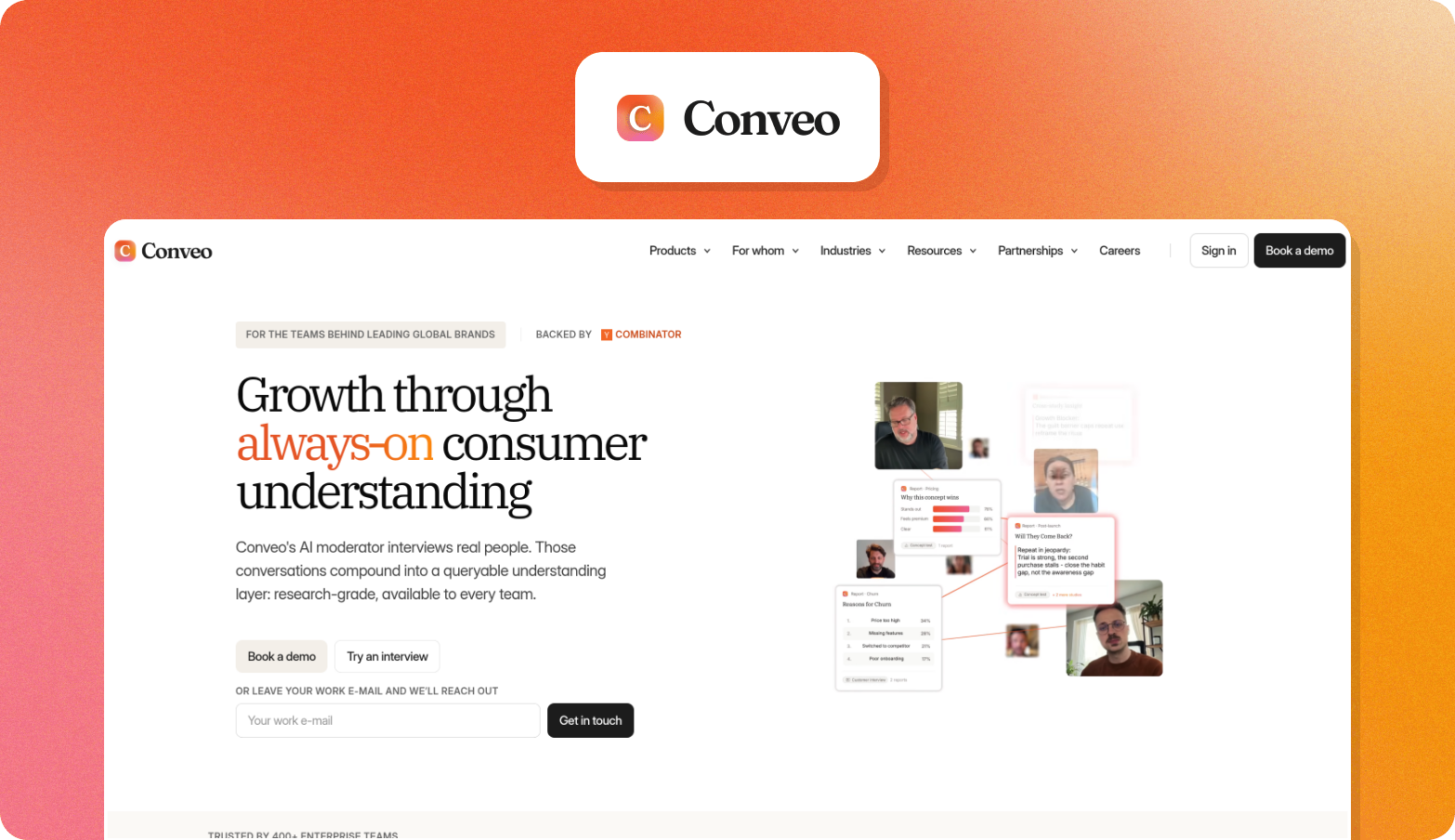
Conveo is a video-first AI qualitative research platform built for teams that need customer insights quickly enough to influence decisions, not weeks after they've been made.
It combines participant recruitment through eight integrated panel providers (or CSV upload), AI-moderated interviews, analysis, reporting, and a searchable research library on a single platform. Complete research coverage makes it practical to conduct qualitative research continuously rather than treating it as an occasional project.
Studies can run in parallel across more than 50 languages, helping global teams answer questions while they're still relevant and get a deeper understanding of their customers. Because interviews are audio and video, not text chat, teams can see tone, hesitation, and reactions, not just what participants typed.
Conveo is SOC 2-certified, GDPR-compliant, and offers EU data hosting, so it can meet enterprise procurement and vendor risk review requirements.
Best for: Insights, CMI, and research teams running recurring qualitative studies.
Core strength: Conveo captures rich customer evidence at scale. AI-moderated interviews explore responses in more depth through follow-up questions, while every insight links back to the original video, transcript, and full conversation. Teams can validate findings themselves instead of relying on summaries, and every completed study adds to a searchable library that grows over time.
Key limitation or tradeoff: It's designed for qualitative research rather than large-scale survey programs.
Pricing note: Contact for pricing.
"The pace, responsiveness, and research expertise of the Conveo team, on top of the top AI-moderated qual platform, have been invaluable to us in scaling brand advertising internationally."
Matt Harris, Research & Insights Lead at Canva
2. Outset
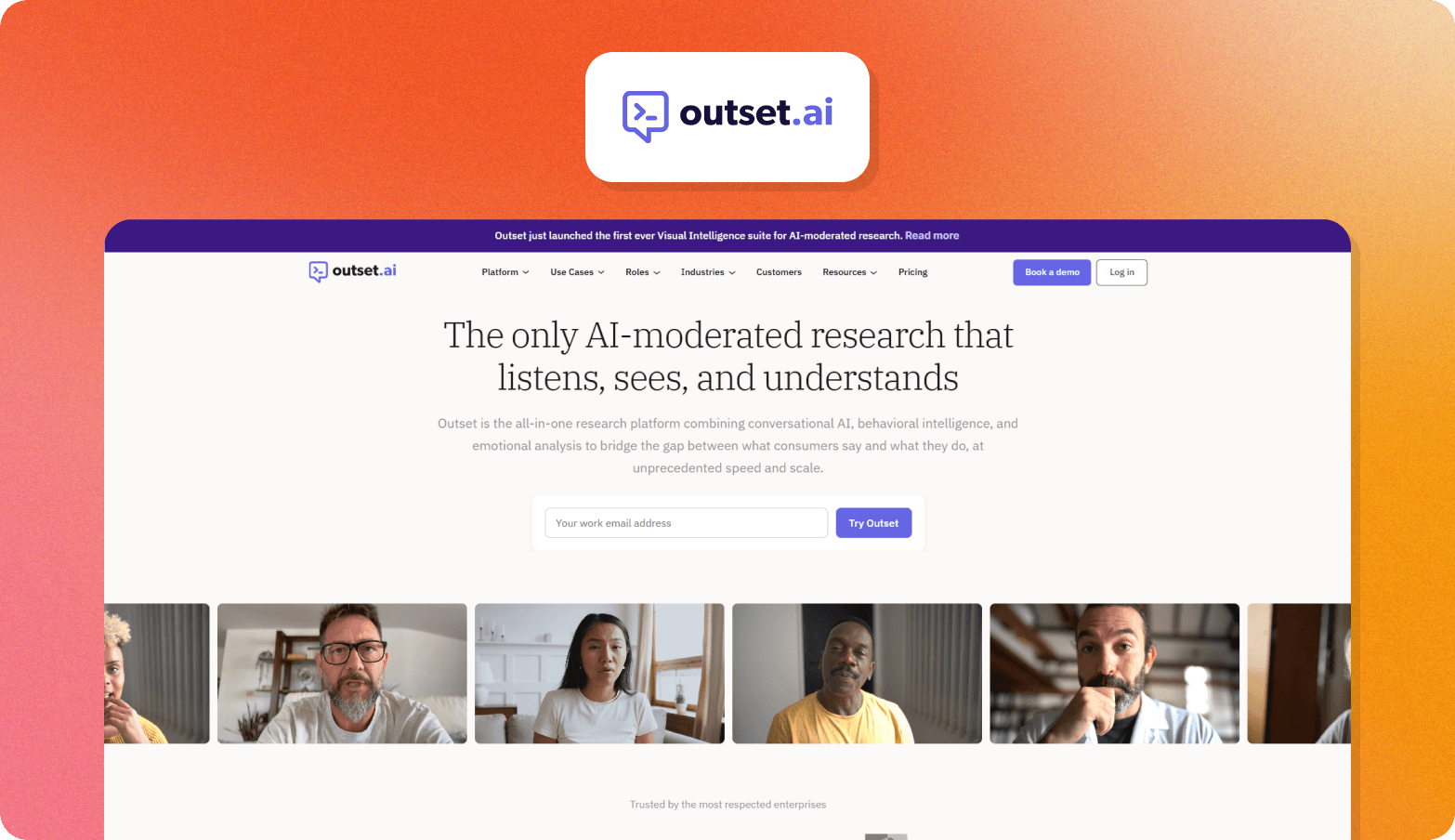
Outset is a qualitative research platform that uses AI to run interviews and analyze responses.
Best for: Product and UX teams running large numbers of customer interviews across different markets.
Core strength: It connects with participant panels including Prolific and User Interviews, giving teams access to a large global pool of participants.
Key limitation or tradeoff: It doesn't include a built-in research repository, so teams that want to search across previous studies need a separate tool.
Pricing note: Custom pricing based on research and support requirements.
3. Listen Labs
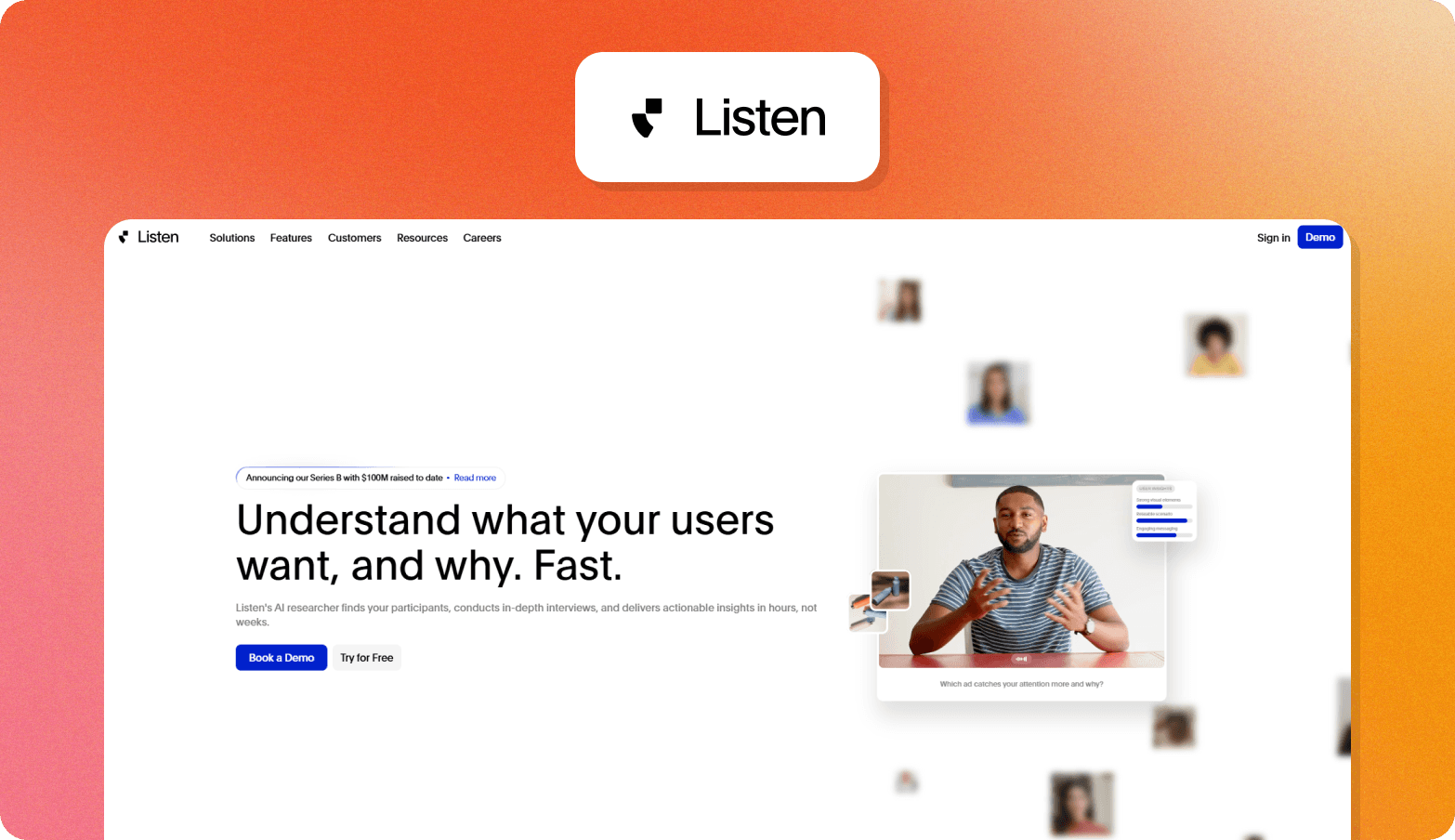
Listen Labs is a qualitative research platform focused on quickly running AI-moderated customer interviews.
Best for: Consumer insights and market research teams that need to gather customer insights at high volume.
Core strength: Quality Guard reviews interviews as they happen, helping to identify rushed, scripted, or low-quality responses before the study ends.
Key limitation or tradeoff: Teams with data residency requirements should confirm hosting options directly with Listen Labs before purchasing.
Pricing note: Pricing isn't publicly available.
4. UserTesting
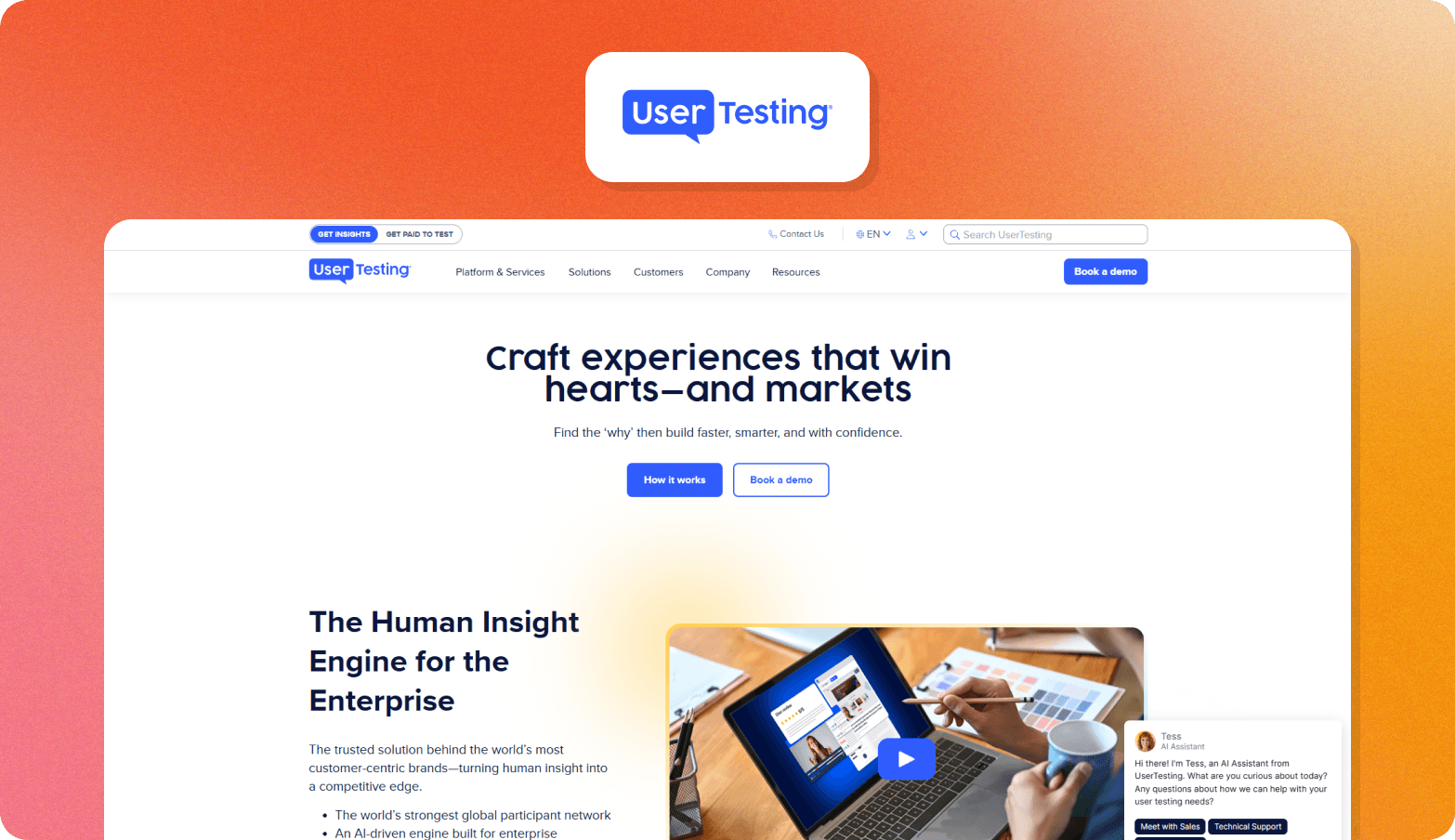
UserTesting is a research platform for usability testing and customer interviews with access to a large participant panel.
Best for: Product, UX, and CX teams running regular usability studies and customer testing.
Core strength: Teams can search across previous studies using natural language and jump straight to the relevant video moments.
Key limitation or trade-off: Live AI-moderated interviews aren't currently supported, so understanding of user behavior is limited to the questions in your study.
Pricing note: Pricing isn't publicly available.
5. Dovetail
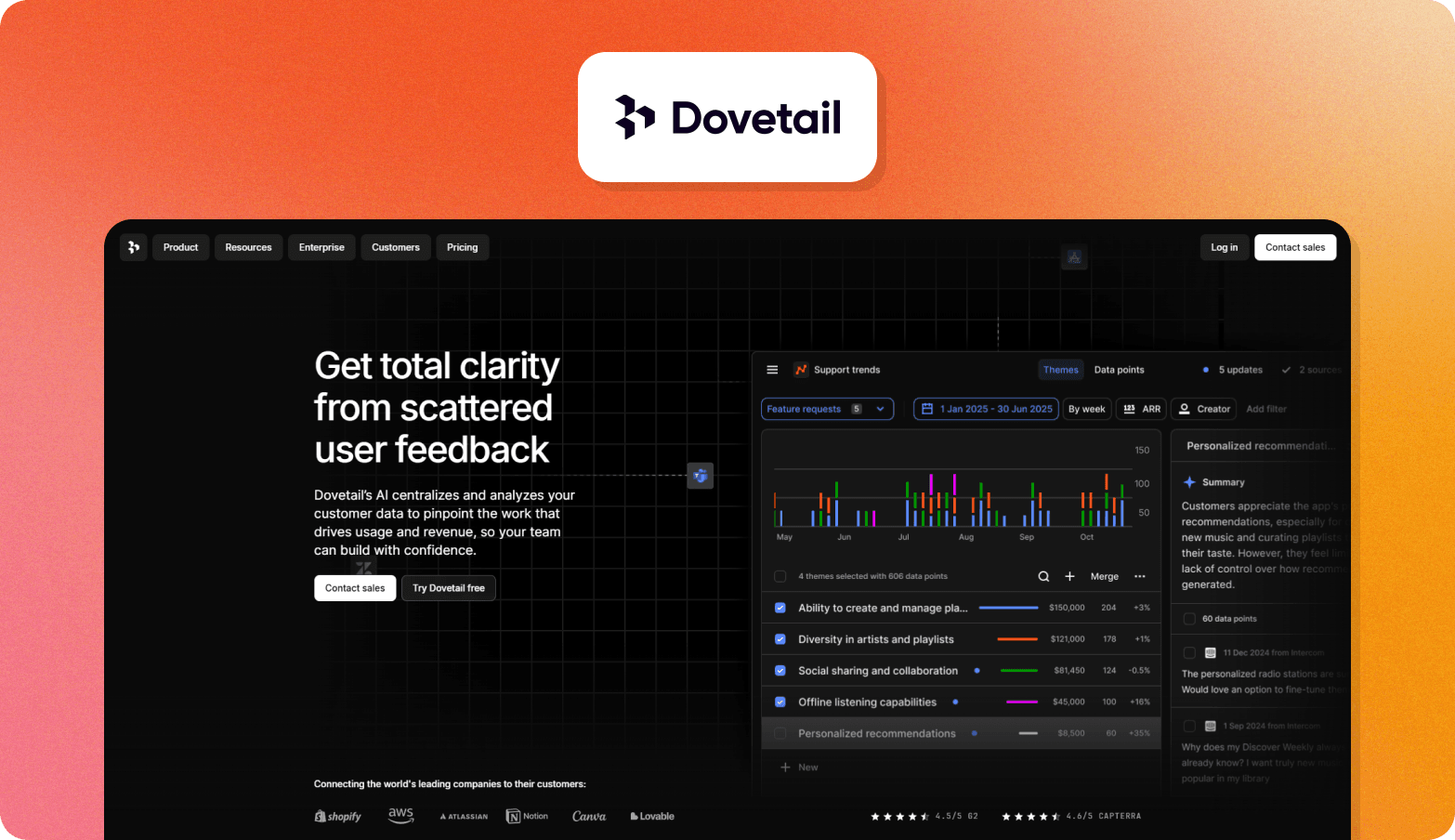
Dovetail is a research repository that helps teams organize, analyze, and share research they've already collected.
Best for: Teams that want one place to store and search customer research.
Core strength: AI helps organize findings into themes and create highlight reels.
Key limitation or tradeoff: It doesn't recruit participants or run interviews, so teams need another tool to collect new research.
Pricing note: There’s a free plan available with custom enterprise pricing on request.
6. Condens
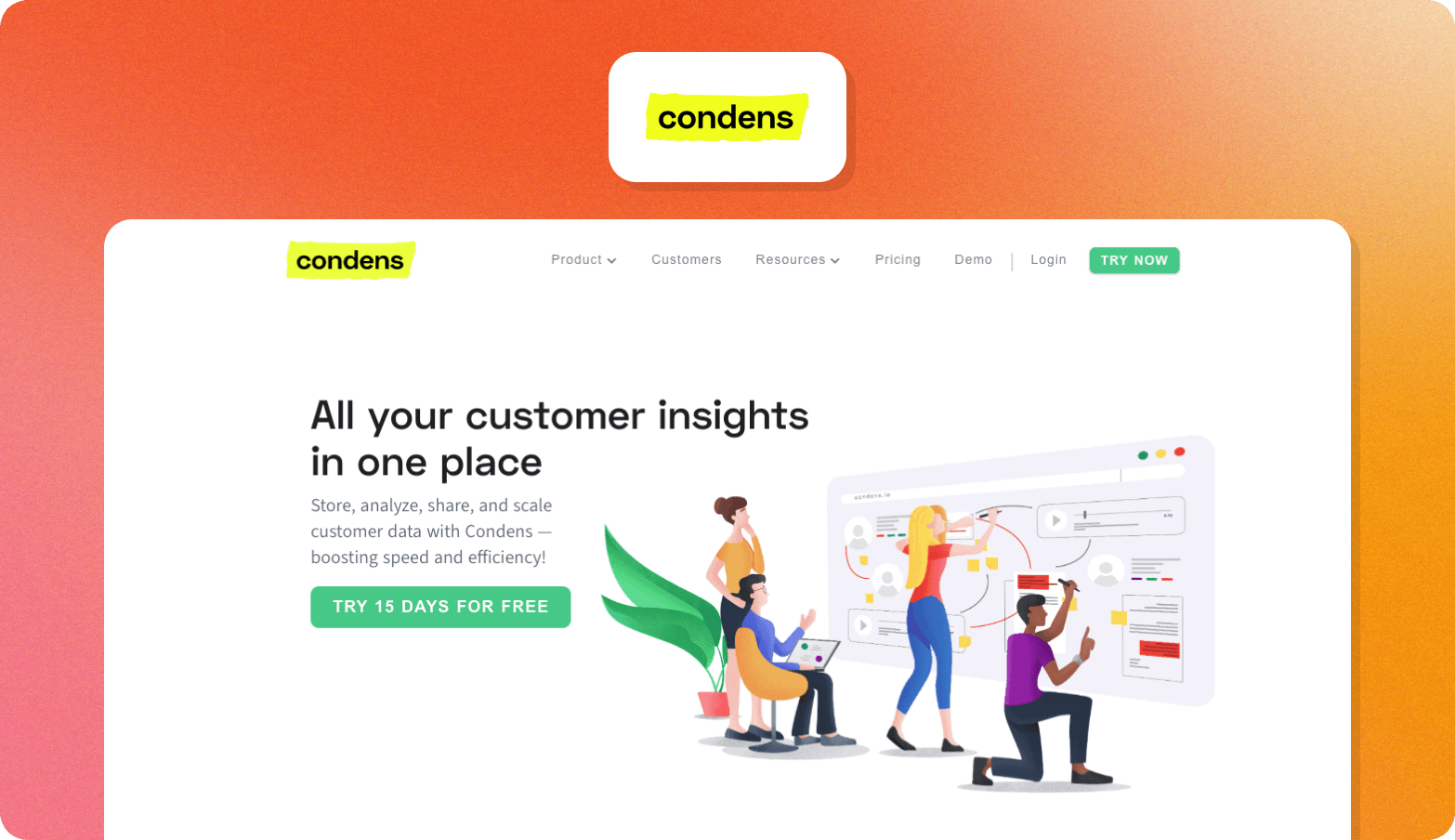
Condens is a research repository designed to organize qualitative research and make findings easier to share.
Best for: UX research teams that regularly analyze data from usability studies and interviews.
Core strength: It brings research into one searchable library and makes it easy for non-researchers to explore findings.
Key limitation or tradeoff: It focuses on analysis and knowledge management rather than participant recruitment or interview moderation.
Pricing note: Pricing starts from €15 per month for the Lite plan and €500 per month for the Business plan.
7. Marvin (HeyMarvin)
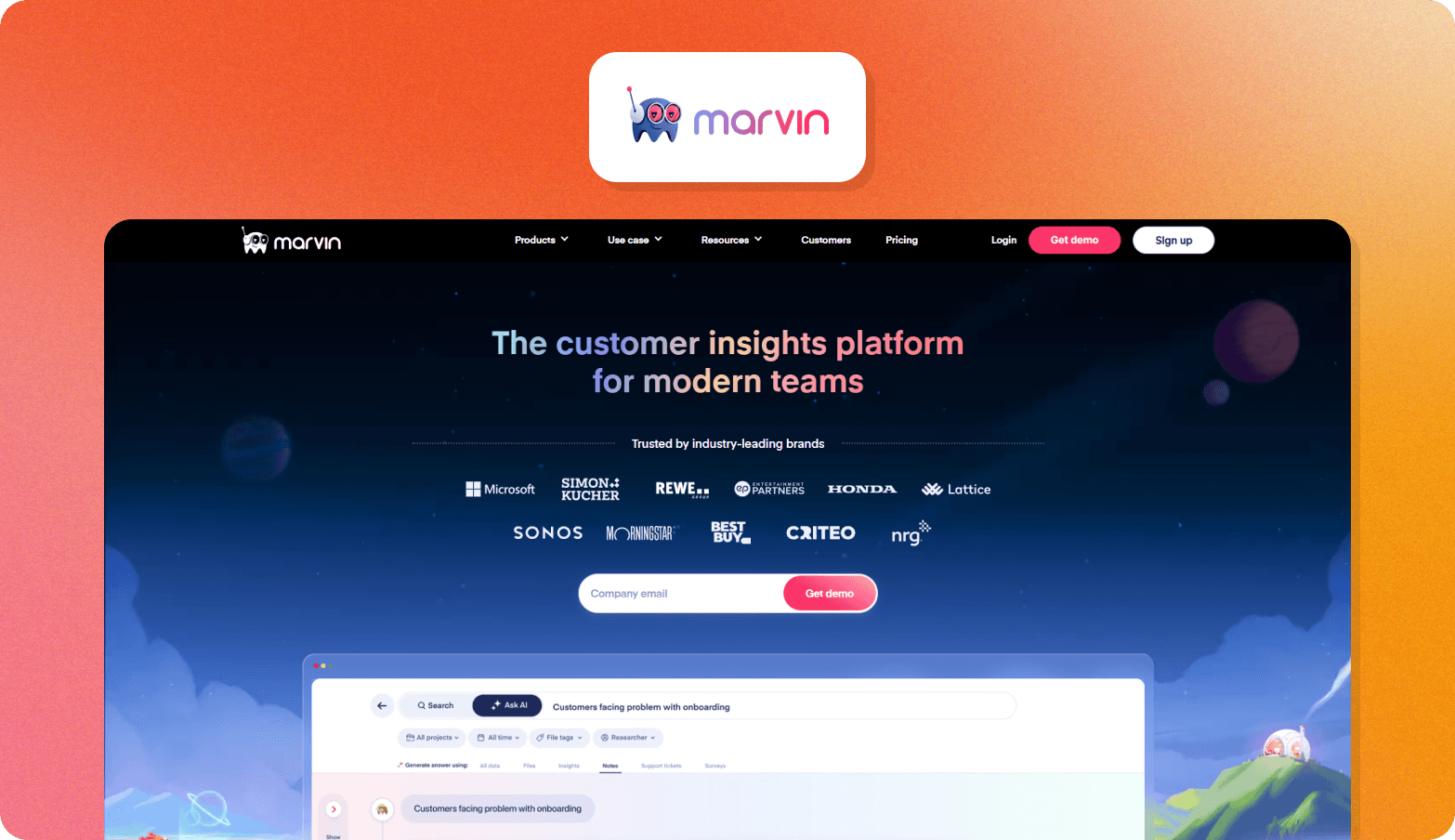
Marvin is a research repository with built-in AI-moderated interviewing that helps teams analyze and reuse qualitative research across multiple studies.
Best for: Research and research operations teams building a long-term knowledge base.
Core strength: Findings stay linked to transcripts and video clips, while AI helps identify trends and themes across studies.
Key limitation or tradeoff: Some repository search features require the Enterprise plan, and participant recruitment isn't included.
Pricing note: A free repository plan is available. Advanced features are available on request.
8. Otter.ai
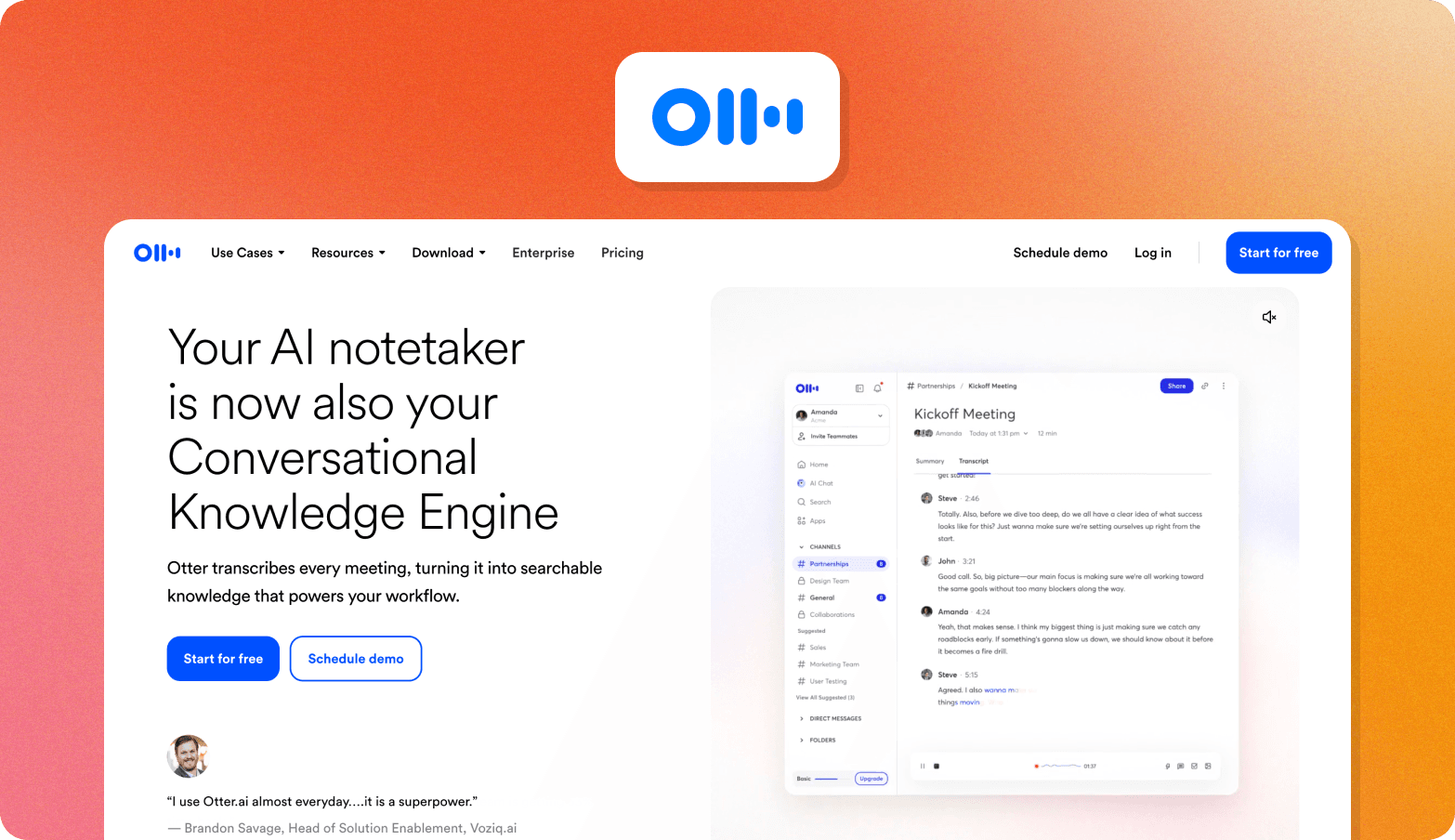
Otter.ai is a transcription tool that converts conversations into searchable text.
Best for: Teams that already run interviews and need fast transcription and meeting notes.
Core strength: It creates searchable transcripts, summaries, and speaker labels, with integrations for tools such as Zoom and Google Meet.
Key limitation or tradeoff: It doesn't recruit participants, conduct interviews, or analyze research findings, so it works best alongside other research tools.
Pricing note: A free plan is available, with paid plans starting at $8.33 per user per month, billed annually, for transcription only.
Voice of Customer (VoC) & Feedback Analytics
These platforms bring together customer feedback that's already been collected through surveys and reviews or through customer interactions like support tickets and contact center conversations. They're designed to help teams spot trends in large volumes of feedback rather than conduct new research through VoC interviews.
9. Medallia
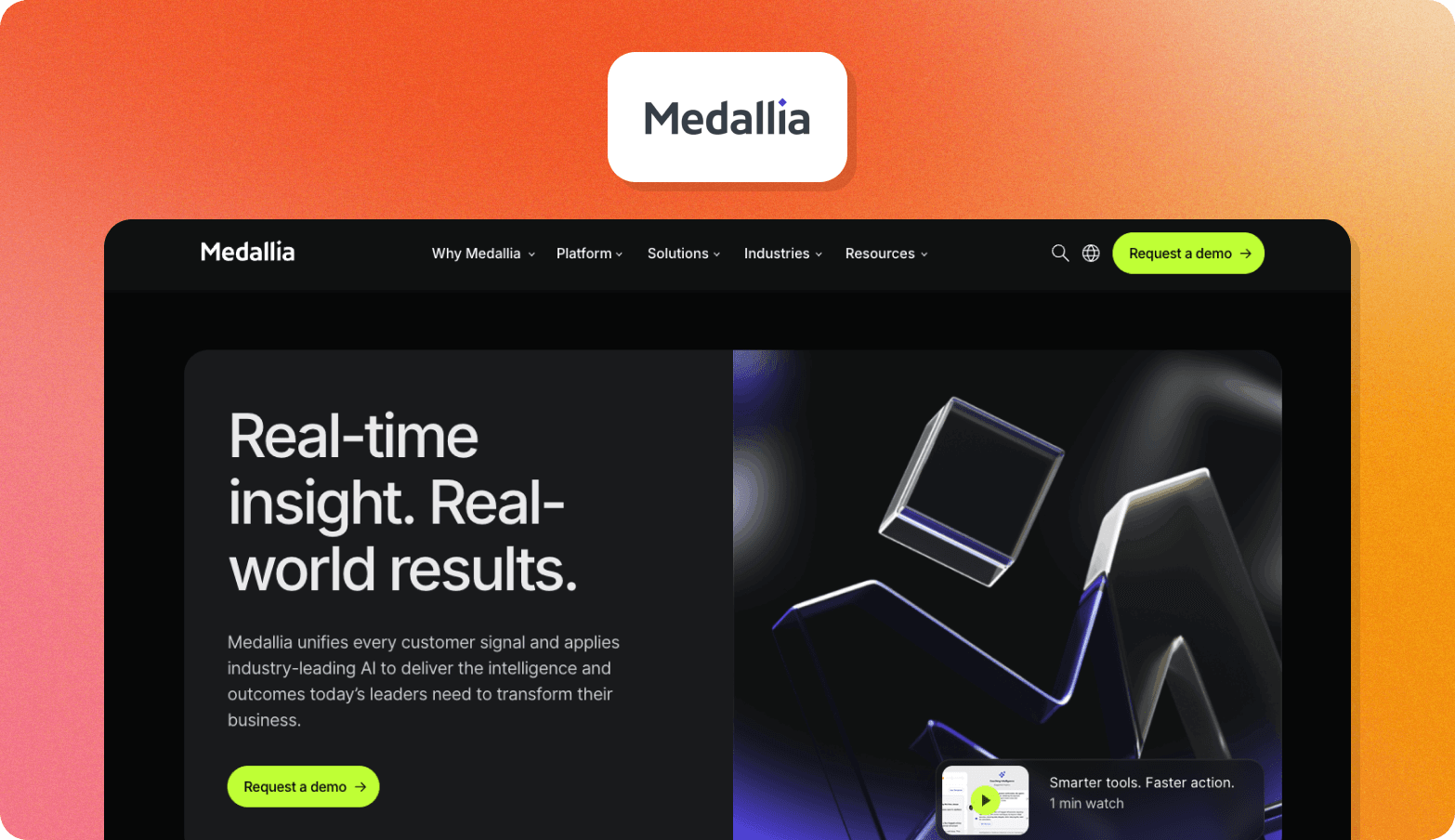
Medallia is a VoC platform that collects and analyzes customer interactions and feedback from multiple channels in one place.
Best for: Large organizations running formal customer experience programs across multiple locations or channels.
Core strength: It combines feedback from email, chat, social media platforms, websites, and contact centers to help teams identify recurring themes and track the customer experience over time.
Key limitation or tradeoff: Implementations can take several months, making it a larger investment than many teams need for standalone qualitative research.
Pricing note: Pricing isn't publicly available. Enterprise contracts are available on request.
10. Qualtrics XM Discover
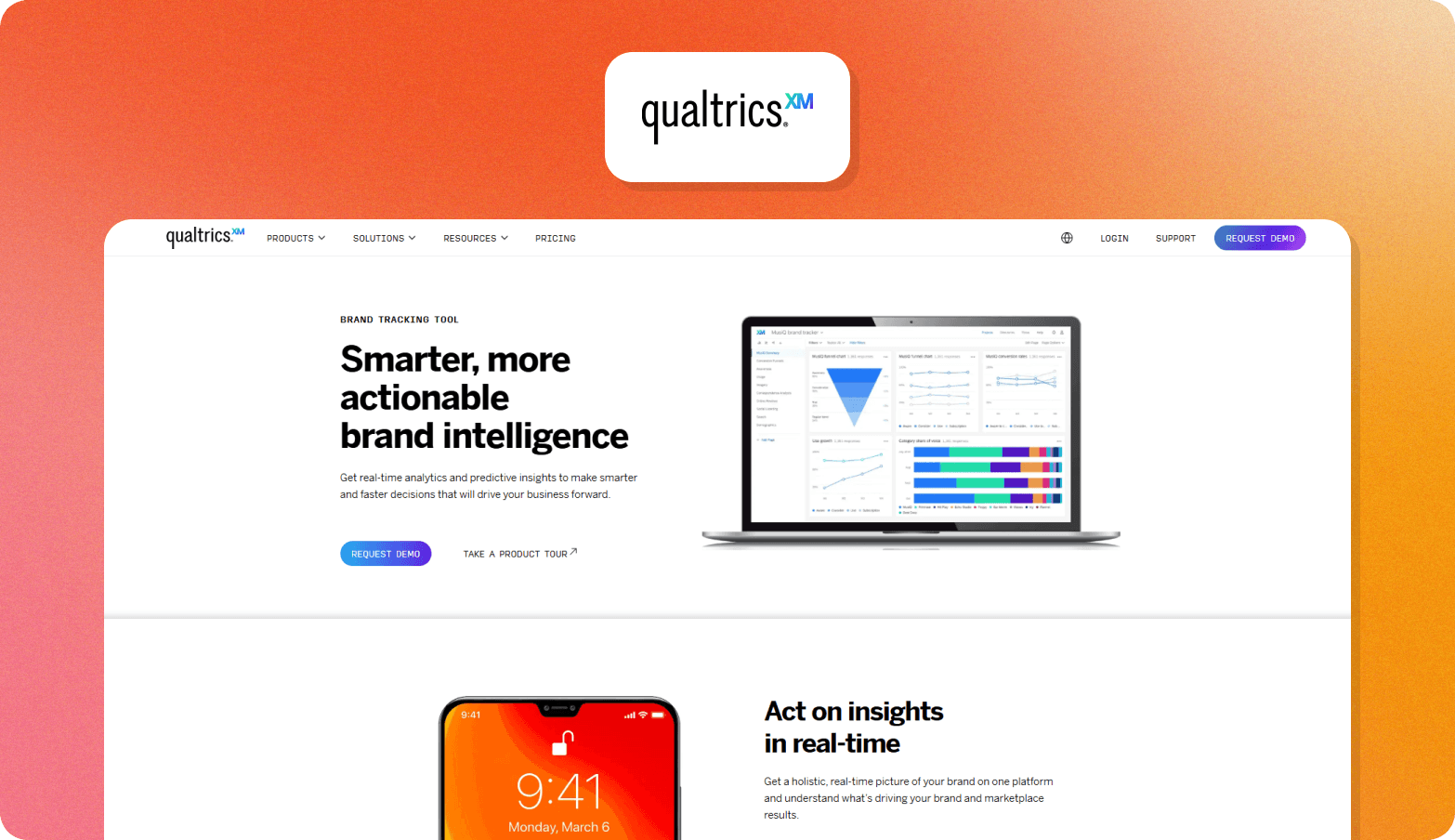
Qualtrics XM Discover is a feedback analytics platform that analyzes customer conversations and written feedback.
Best for: Organizations already using Qualtrics XM that want to analyze support conversations, reviews, and survey data in the same platform.
Core strength: It uses AI to identify customer sentiment and intent across multiple feedback sources, helping teams understand common customer issues at scale.
Key limitation or tradeoff: It analyzes feedback that has already been collected. Teams that want to ask follow-up questions or run qualitative interviews will need a separate research platform.
Pricing note: Pricing isn't publicly available.
Survey Platforms
Survey platforms help teams collect structured feedback from large groups of people. They're well-suited to measuring satisfaction and tracking changes in metrics like customer churn over time.
11. Qualtrics
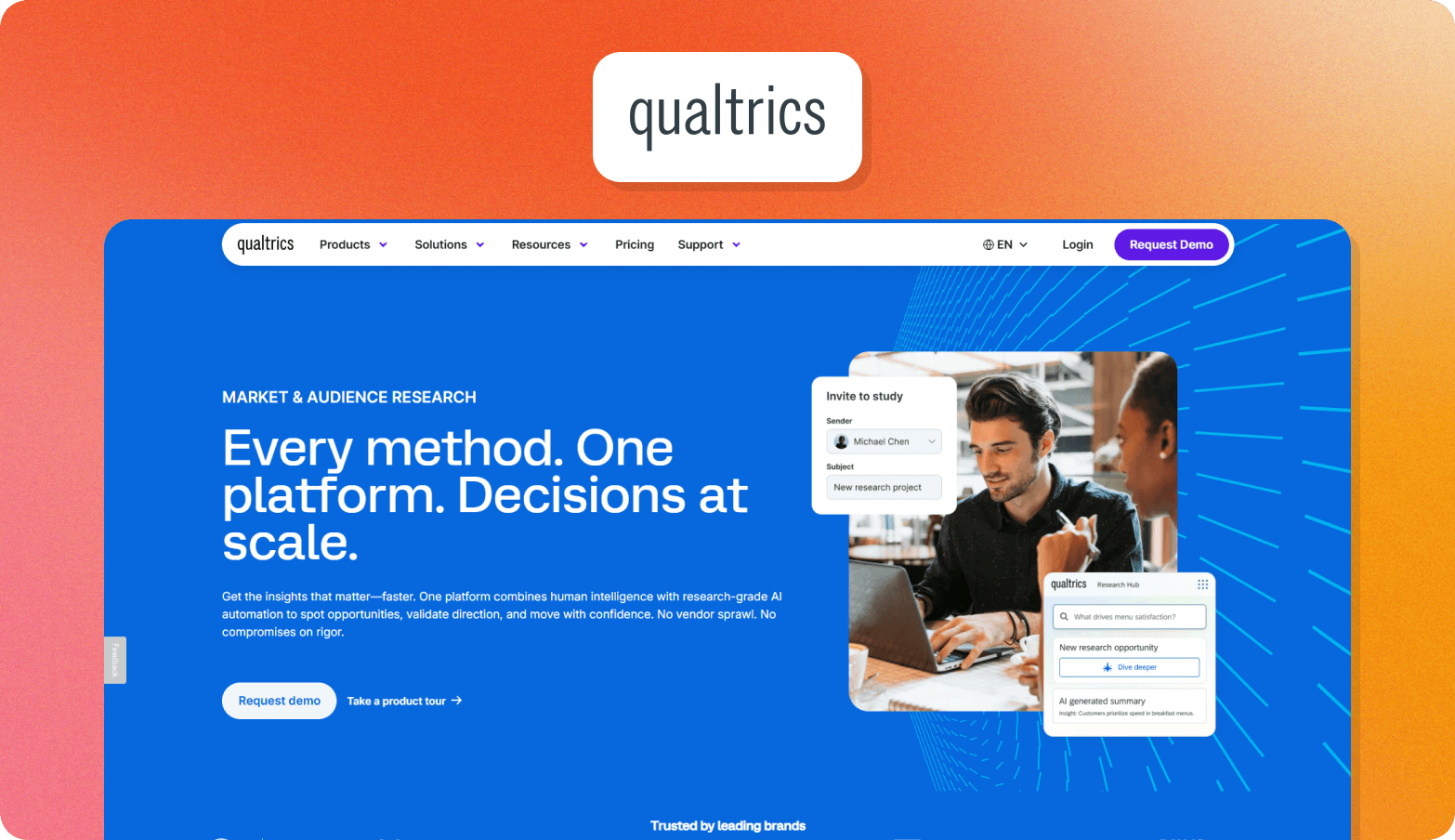
Qualtrics is an enterprise survey platform that also enables you to conduct quantitative and qualitative research in the same platform.
Best for: Large organizations already using the Qualtrics XM platform for customer or employee experience.
Core strength: It supports a wide range of research methods and includes tools for analyzing survey responses and managing research across multiple projects.
Key limitation or tradeoff: Teams that want AI-moderated customer interviews still need a separate platform.
Pricing note: Pricing isn't publicly available.
12. SurveyMonkey
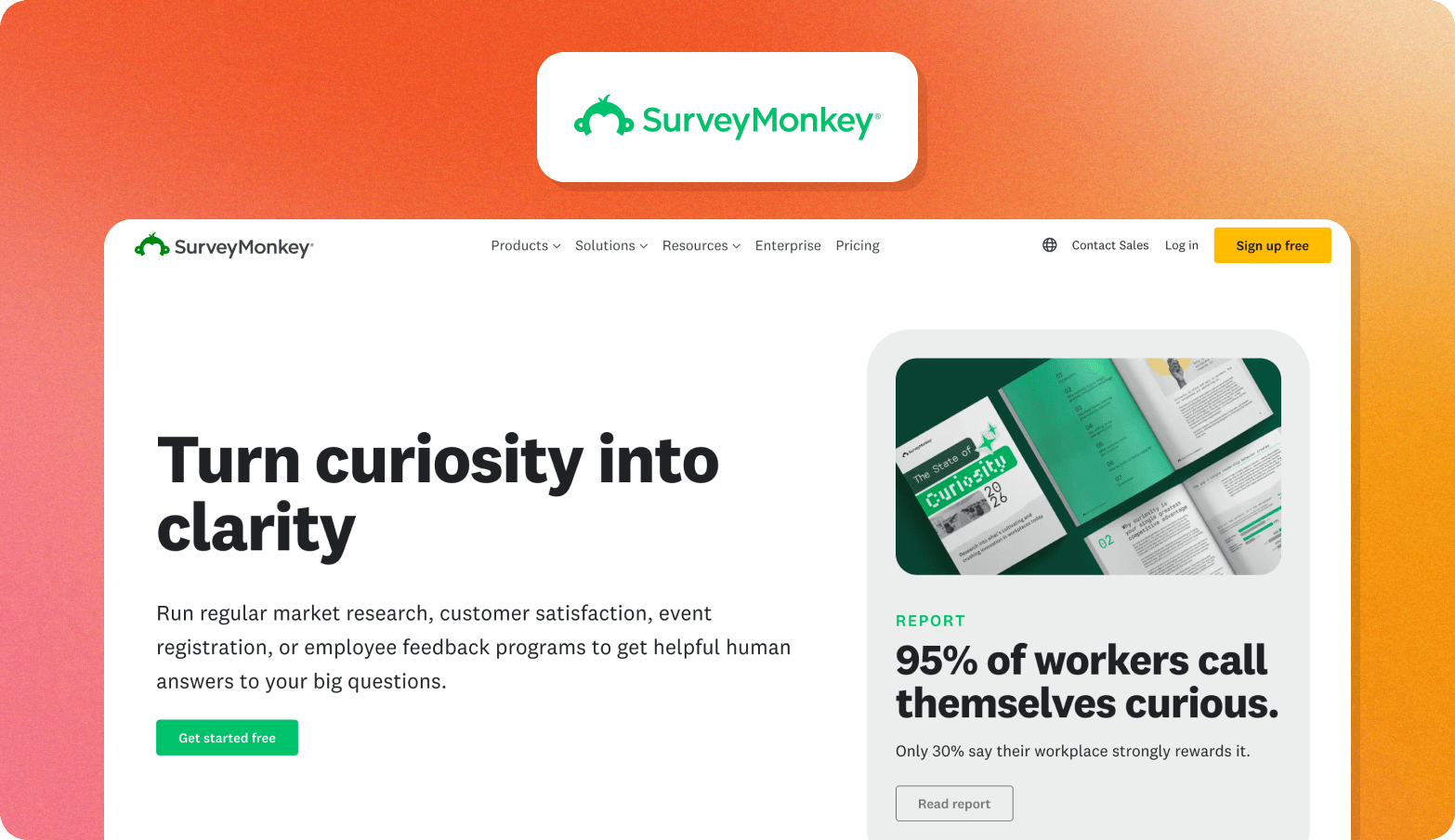
SurveyMonkey is a survey platform for collecting structured feedback and quantitative research data.
Best for: Product, UX, marketing, and research teams running regular surveys and concept tests.
Core strength: It includes built-in research methods and access to a large participant panel, making it easy to launch studies quickly.
Key limitation or tradeoff: It focuses on surveys rather than qualitative interviews, so teams looking to explore responses in more depth may need another research tool.
Pricing note: Team plans start at $30 per user per month, billed annually with a three-user minimum.
13. Suzy
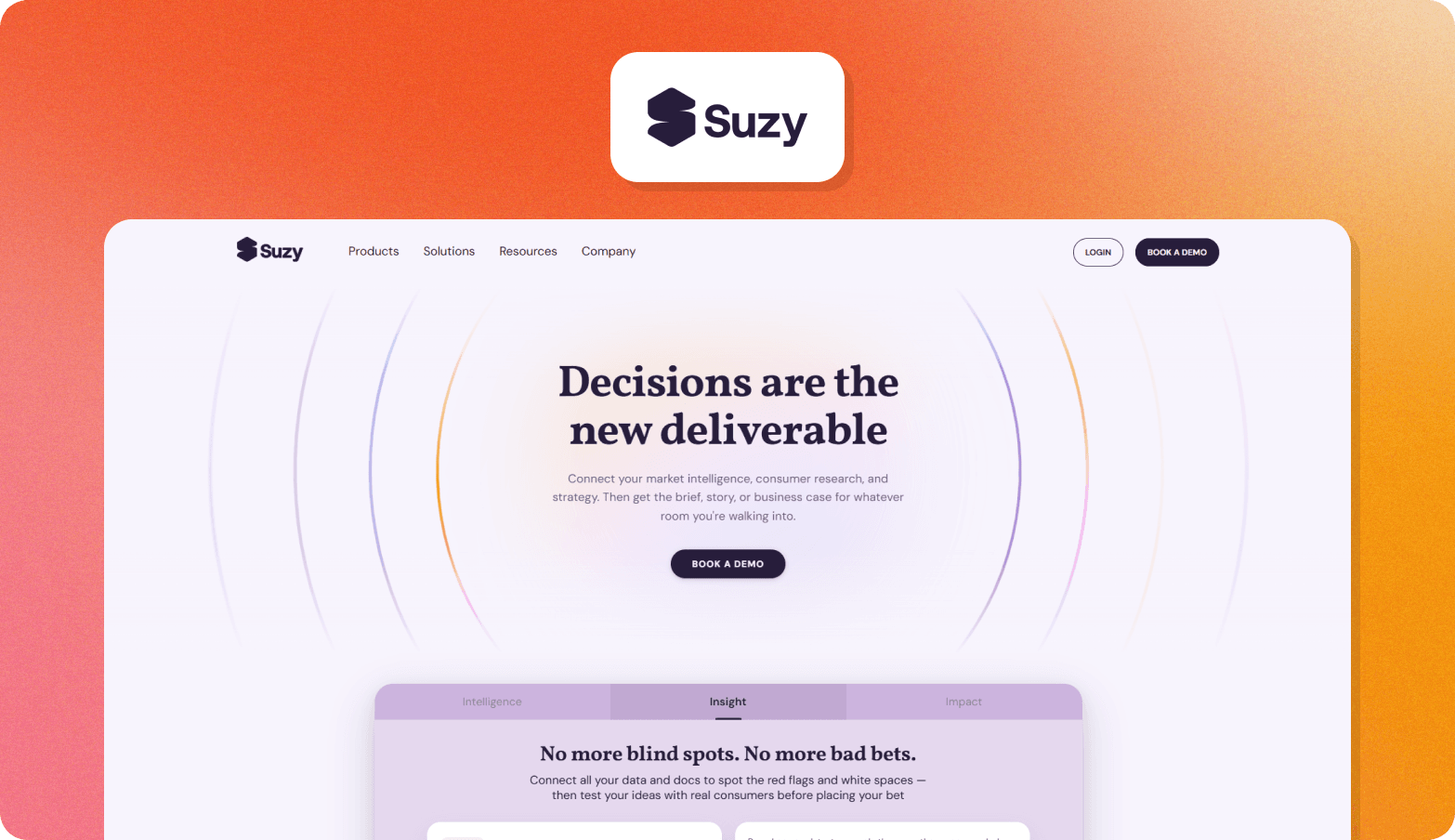
Suzy is a consumer research platform that combines surveys, trend monitoring, and customer interviews.
Best for: Brand and consumer insights teams that regularly test brand messaging or marketing campaigns.
Core strength: It combines surveys, interviews, and market trend data on a single platform, helping teams gather feedback quickly from their consumer panel.
Key limitation or tradeoff: Data is processed and stored in the US, which may not work for teams with EU data residency requirements.
Pricing note: Suzy has credits-based pricing. The cost depends on study type, audience, and contract length.
Customer Data Platforms (CDPs)
Customer data platforms uncover valuable customer insights by consolidating customer information from different business systems into a single place. They're designed to help teams build a more complete picture of customer behavior rather than collect new feedback or run customer research.
14. Dynamics 365 Customer Insights
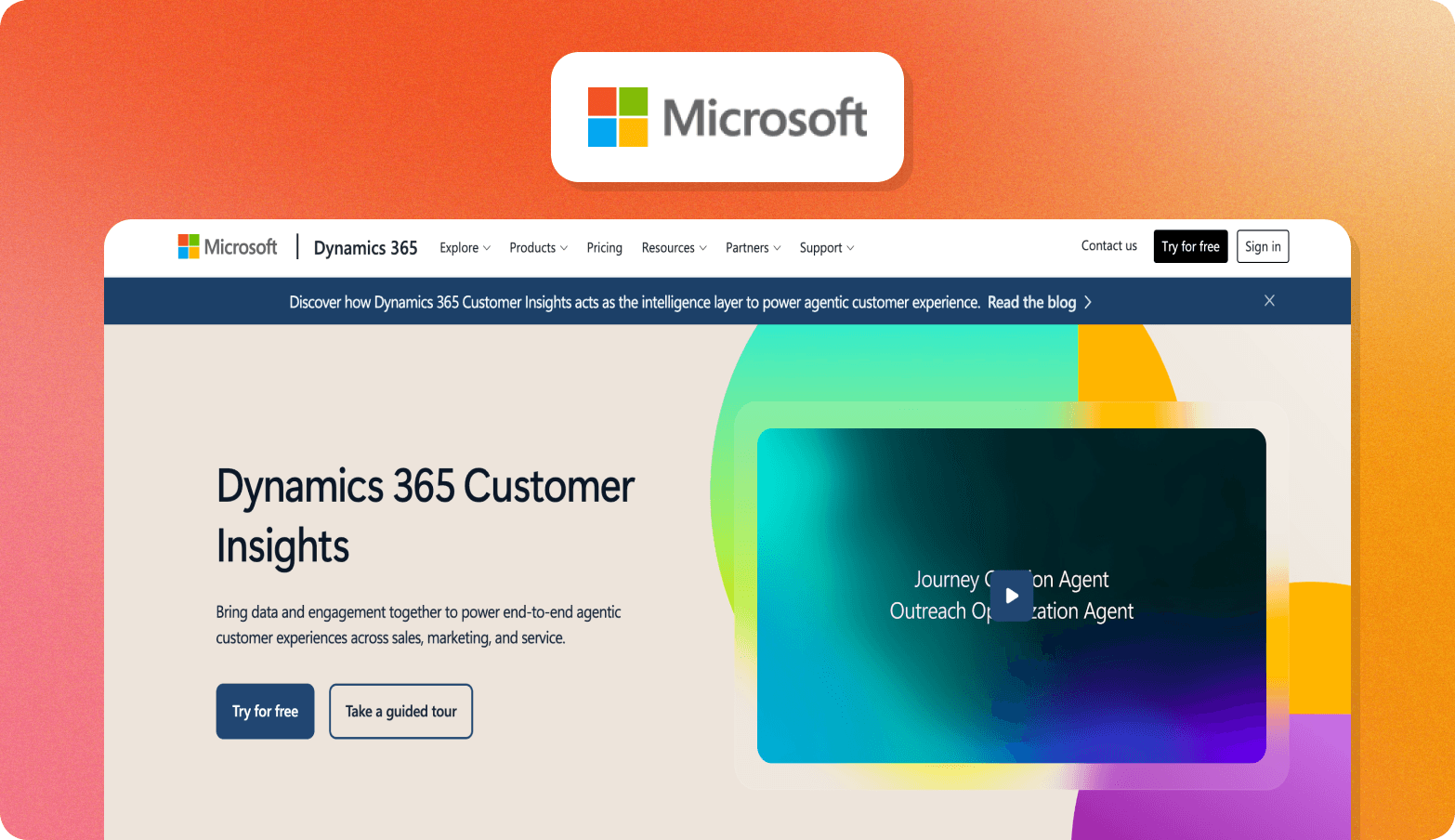
Dynamics 365 Customer Insights is a customer data platform that combines customer information from across the Microsoft ecosystem.
Best for: Organizations already using Microsoft Dynamics 365 that want unified customer data so they can personalize customer journeys.
Core strength: It brings together customer information from different sources and uses Copilot to help teams build customer segments and marketing journeys faster.
Key limitation or tradeoff: It helps explain what customers have done across different channels, but teams that need interviews or qualitative research will need a separate research platform.
Pricing note: Capacity-based pricing. Journey orchestration and data unification are priced separately.
15. Segment
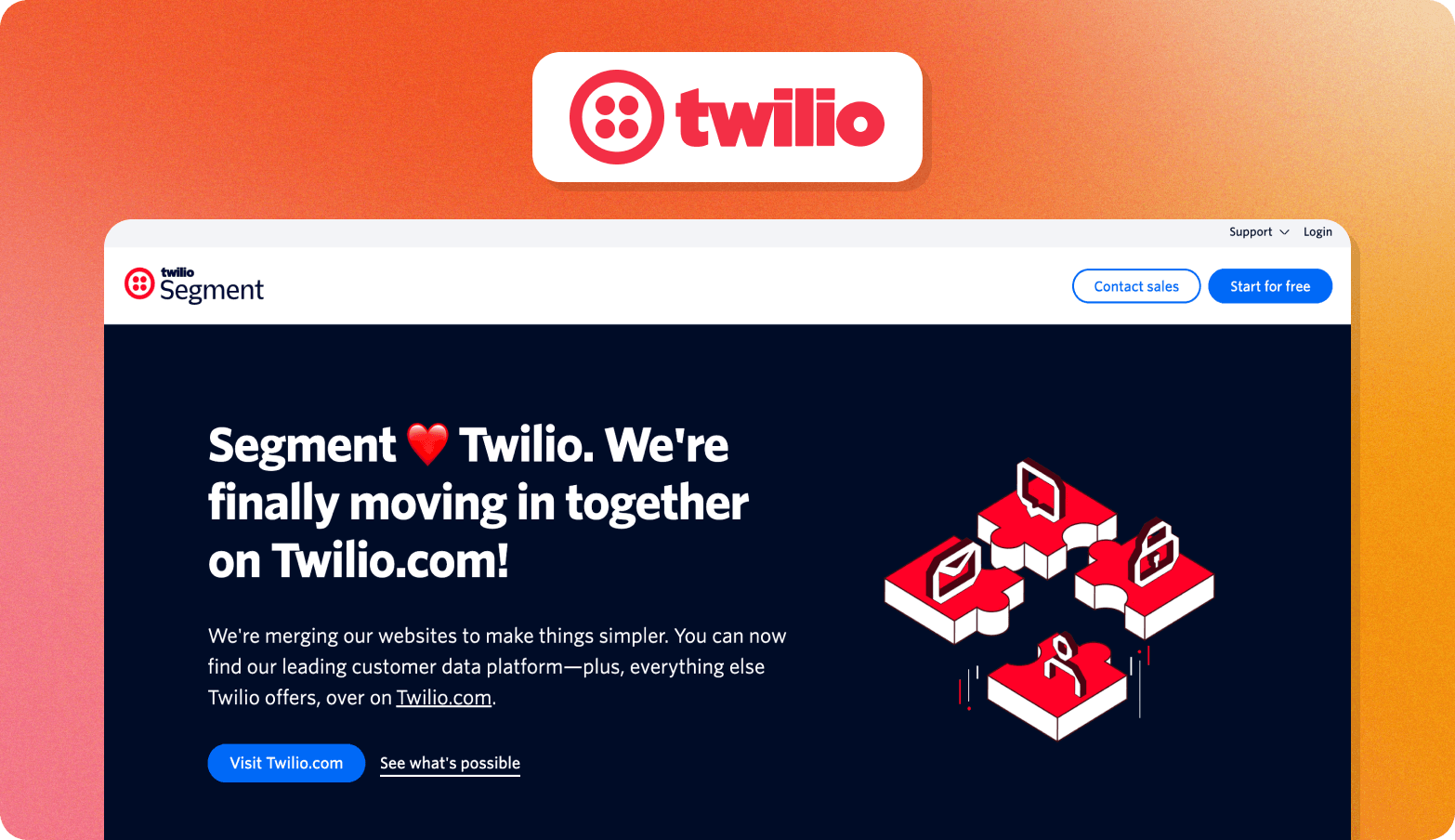
Segment (now part of Twilio) is a customer data platform that collects customer data from multiple systems and makes it available to other business tools.
Best for: Engineering, product, and data teams wanting to build a single customer view.
Core strength: More than 700 integrations make it easy to collect customer data once and share it with other platforms you use.
Key limitation or tradeoff: Segment organizes customer data but doesn't collect customer feedback or run qualitative research, so most teams pair it with another research platform.
Pricing note: A free developer plan is available. Paid plans scale with usage and are available on request.
Why Qualitative Research Belongs In A Customer Insights Stack
Surveys, VoC tools, and CDPs are good at collecting data, but they all hit limits when you want to know why customers do what they do:
Surveys tell you what customers think at scale through quantitative data like satisfaction scores and NPS trends. They don't explain the reasoning behind those numbers, so a dip in a satisfaction score still leaves you guessing at the cause until you talk to the customers behind it.
VoC tools tell you what customers are already saying, pulled from support tickets and reviews. That's useful for spotting a spike in complaints about a specific feature, but it's unstructured feedback that customers volunteered rather than asking the follow-up question that would tell you what to fix.
CDPs tell you what customers did, like which pages they visited or what they bought before they left. They're built to unify that behavioral data, not explain the decision behind it.
Qualitative research turns customer insights from observations about what happened into evidence explaining why it happened and what teams should do next.
How to Choose a Qualitative Research Platform for Customer Insights
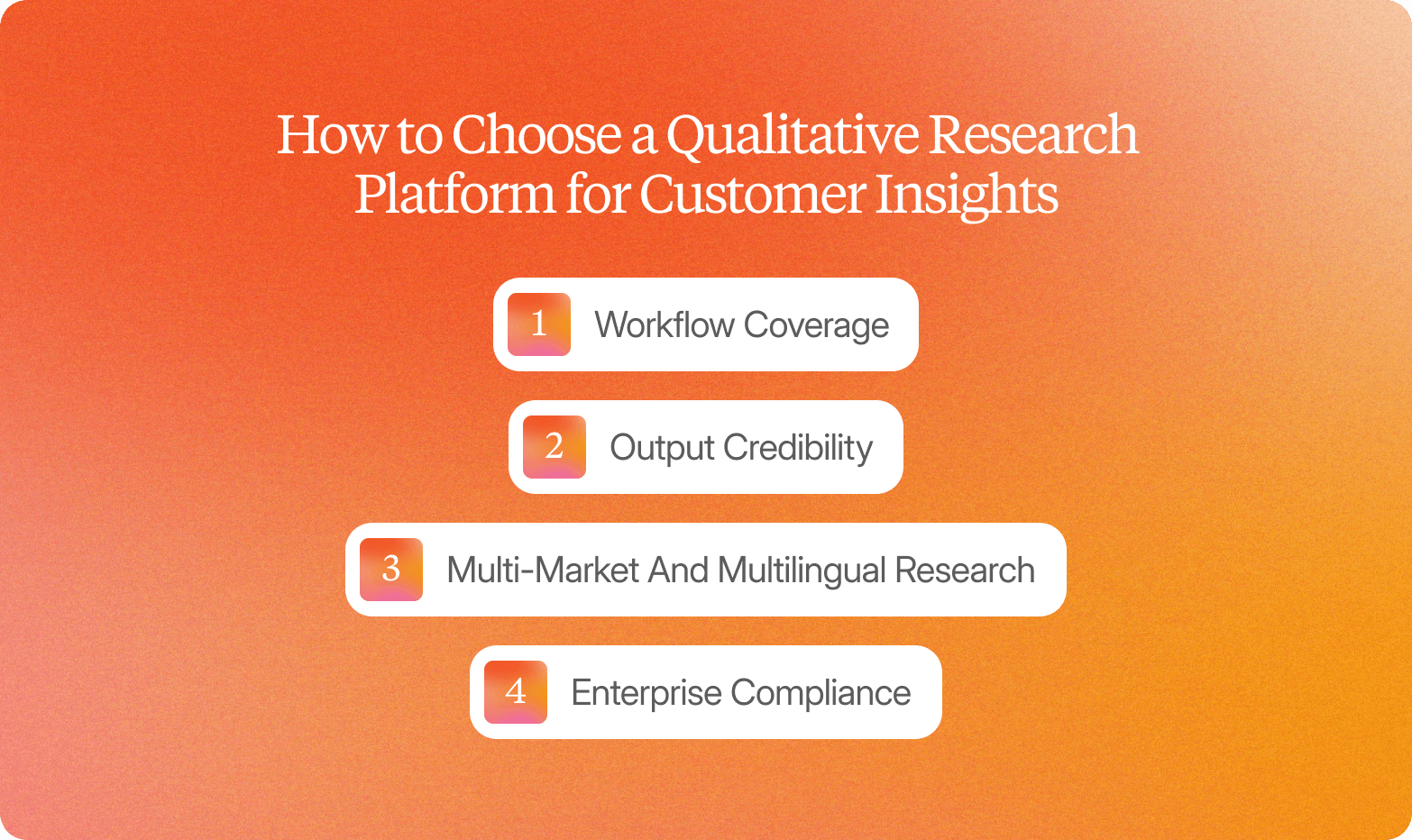
Once you've decided that qualitative research is the right approach, the next step is comparing how well each platform supports the work. The four criteria below cover the capabilities that have the biggest impact on the speed and reliability of the customer insights you produce.
Workflow Coverage
If your team runs qualitative research regularly, choose a platform that handles recruitment, interviewing, analysis, and reporting in one place. Every handoff between tools adds time and increases the chance of losing context. Keeping the workflow together makes it easier to move from a research question to a customer insight without having to stitch information back together.
Output Credibility
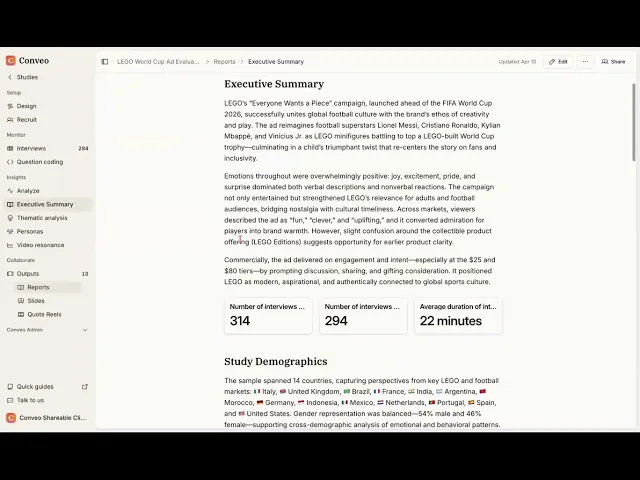
A customer insight is only useful if people trust it. Choose a platform where every finding links back to the original interview, so anyone can see exactly what the customer said. That makes it easier to validate conclusions and gives stakeholders confidence to act on them.
Watch the walkthrough: Reading a Conveo Report
Multi-Market And Multilingual Research
Research across multiple countries only works if every participant can answer naturally in their own language. Look for AI moderation, transcription, and translation that support the markets your target audience is in. Otherwise, language barriers slow down customer research and make it harder to compare customer insights across regions.
Enterprise Compliance
The best customer insights platform is no use if procurement won't approve it. If you work in regulated industries or handle sensitive customer data, look for SOC 2 certification, GDPR compliance, and EU data hosting. Meeting those requirements helps research move forward instead of getting stuck in vendor reviews.
Once a platform clears these four checks, the customer intelligence software you're left with usually differs mainly on cost, which is what the next section breaks down.
Pricing and Cost Considerations
Choose a pricing model that aligns with how your team conducts research. A platform that looks inexpensive for occasional projects can become one of the most expensive options if you run studies every week. Three pricing models cover most of the market.
Per-study pricing. Best if you only run research occasionally. If your team conducts studies regularly, costs rise with each project.
Per-seat pricing. Works well when only a small research team needs access. If product managers, designers, marketers, and executives all need to view findings, licensing costs can increase quickly.
Enterprise contracts. Usually the best fit for teams running continuous research. Annual contracts cost more upfront but often include unlimited studies or users, so the cost of each study falls as research volume grows.
Don't compare subscription prices alone. Estimate what you'll pay over a year based on how many studies you expect to run, how many people need access, and which features are included. A higher annual fee can cost less overall if it helps your research team do more with less manual work or without adding headcount.
Conveo, for example, lets teams run research they couldn't previously justify at agency scale. Teams moving recurring qualitative research in-house report savings of up to 75% compared with agency-led fieldwork, while some programs have reduced research costs by up to 95% compared with traditional methods.
How Conveo Supports Continuous Customer Insights
If qualitative research is the right fit for your team, Conveo combines the tools you need to generate, analyze, and share valuable customer insights on a single platform.
Reach customer insights faster with recruitment, AI-moderated interviews, analysis, and reporting in one workflow.
Give stakeholders evidence they can trust. Every insight links back to the original video clip and transcript, so anyone can verify the finding for themselves.
Base decisions on real customer conversations. Conveo always uses real human participants, never synthetic participants or AI personas, so you can have complete confidence in your findings.
Build on previous research instead of starting from scratch. A searchable research library keeps interviews, themes, and clips organized for future studies.
Run research consistently across markets. AI moderation, transcription, and translation support studies in more than 50 languages, making it easier to compare findings across regions.
Meet enterprise security requirements with SOC 2 certification, GDPR compliance, and EU data hosting.
Frequently Asked Questions
What is customer insights software?
Customer insights software is an umbrella term covering four categories of tools: qualitative research platforms, VoC and feedback analytics tools, survey platforms, and CDP or journey orchestration systems. Each category answers a different question, from why customers behave a certain way to what they did and how their data connects across channels.
What is the difference between customer insights software and customer intelligence software?
The terms overlap heavily, and vendors use them interchangeably. In practice, customer insights software tends to describe tools focused on collecting and analyzing direct feedback, like interviews and surveys. Customer intelligence tools tend to favor platforms that combine behavioral and transactional data with feedback to build a broader picture of the customer.
What is Dynamics 365 Customer Insights?
Dynamics 365 Customer Insights is Microsoft's customer data platform and journey orchestration tool. It unifies transactional, behavioral, and demographic data into a single customer profile, then uses that profile to personalize marketing journeys across channels. It doesn't run qualitative interviews or capture video, so teams that need to understand why customers behave a certain way still need a research platform alongside it.
How do I evaluate customer insights software for my team?
Start with workflow coverage. A platform should consolidate recruitment, interviewing, analysis, and reporting, rather than covering one step and leaving the rest to you. Then check whether findings link back to the original recording. Finally, confirm compliance certifications such as SOC 2 and GDPR before investing time in a deeper evaluation.
What is the best customer insights software for qualitative research?
For teams conducting recurring qualitative research, an end-to-end platform like Conveo consolidates study design, AI-moderated interviews, analysis, and reporting into a single system. Point solutions like Dovetail or Marvin cover parts of the research process well but not the entire workflow, so you’ll need to pair them with other tools.
How much does customer insights software cost?
There isn't a single pricing model for customer insights software, so costs vary widely. Some platforms charge per study, while others use annual contracts or charge per user. Rather than comparing headline prices, estimate what you'll spend based on how your team expects to use the platform over the next year.

About the author
Meg Gerli
Research Impact Lead
Meg is a Research Impact Lead at Conveo, working with insights and research teams on the studies they run with Conveo.
Meet Meg on film →Qualitative insights at the speed of your business.
Conveo runs AI-moderated video interviews and structures everything they say.