In this article
TL;DR
For qualitative depth and stakeholder trust, Conveo leads. Conveo runs AI-moderated video interviews that adapt in real time, capturing tone, hesitation, and emotional reactions that text-only survey tools miss.
For CDP and activation workflows: Segment and Treasure AI stand out for identity resolution and real-time personalization, unifying customer data into a single profile that powers targeted campaigns. Neither runs qualitative research, so you'll need a separate platform to understand the consumer behavior behind the data.
For social listening and brand monitoring: Sprinklr and Talkwalker (Lumen) track public sentiment at scale across dozens of channels and hundreds of millions of sources. Both surface what people say publicly, but neither can hold a conversation with a real customer.
Customer intelligence tools are no longer limited to dashboards and survey results. Teams can now run hundreds of real customer conversations simultaneously, capture tone and hesitation alongside what people say, and turn those conversations into evidence that stakeholders can review within days, not weeks.
But many platforms still focus on collecting customer data rather than explaining how it is used. They can show what customers clicked and bought, but they often struggle to explain why.
This guide focuses on the platforms that help you understand your customers. It compares the 13 best customer intelligence tools against the same criteria: workflow coverage, evidence traceable to its source, security and compliance, and how quickly it helps teams reach useful, trustworthy conclusions.
What Are Customer Intelligence Tools?
Customer intelligence tools combine data from multiple sources to help businesses better understand their customers. They give you actionable insights into questions like:
Why are customers leaving?
What do they like about a product?
What brand messaging persuades them to buy?
Where are customers talking about us, and what are they saying?
Why is customer satisfaction dipping?
When you answer those questions based on real consumer data and not best guesses, you can take specific steps to improve customer retention and shape the entire customer experience.
The right customer intelligence platform depends on what you're trying to learn. That's where the three categories below come in:
| Type of customer intelligence software | What it does | Best for |
|---|---|---|
| VoC and qualitative research platforms | Collect feedback through consumer surveys or interviews. Conveo uses AI-moderated video interviews to capture tone, hesitation, and context, with every insight linked back to the original clip and quote. | Understanding customer needs, motivations, and decision-making. |
| CDPs and activation platforms | Unify data from different channels into a single customer profile. | Personalized marketing and customer segmentation. |
| Social listening tools | Monitor public conversations across social media, forums, and news sites. | Tracking brand reputation and emerging trends in the broader market. |
Most businesses use more than one of these consumer intelligence platforms. A marketing team might rely on a CDP to personalize marketing campaigns, then use a research platform to get valuable insights into why a campaign succeeded or why customers abandoned a purchase. The tools complement each other because they answer different questions.
13 Best Customer Intelligence Tools by Category and Use Case
The customer intelligence solutions below are grouped by category so you can compare the platforms best suited to your objectives.
VoC and Qualitative Insight Platforms
These platforms are among the top brand intelligence and consumer insights tools for enterprises. Many run structured interviews and conversations to explain the reasoning behind customer behavior, making them a faster alternative to traditional methods like focus groups.
They're the right fit when you need direct customer feedback, not signals inferred from what customers click or buy.
1. Conveo
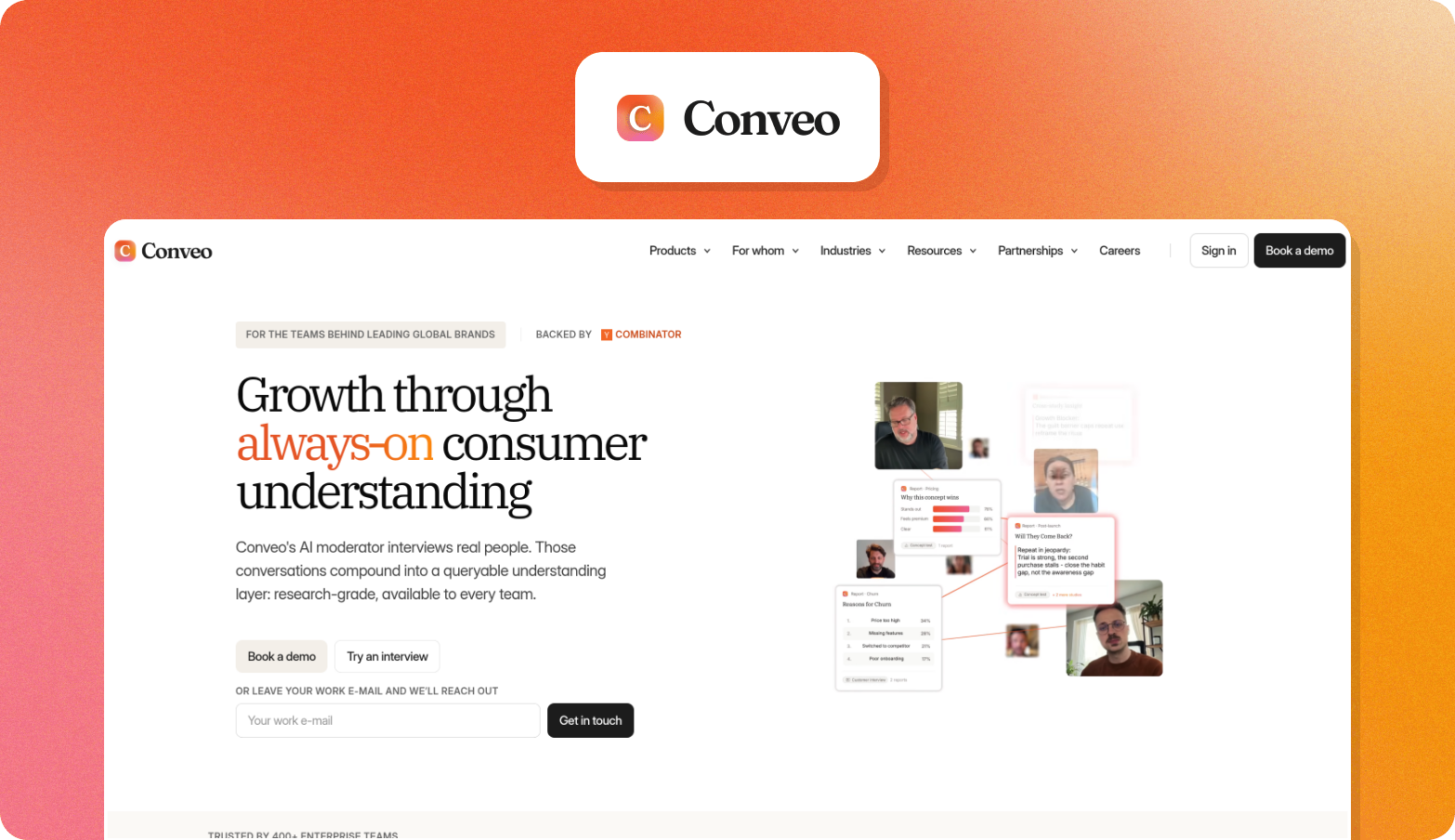
Conveo is a video-first AI research platform built for enterprise qualitative research at scale. It runs AI-moderated interviews asynchronously and in parallel, so hundreds of conversations can happen at once and you get consumer intelligence within days rather than weeks.
The end-to-end workflow, covering study design, recruitment through integrated panel partners, interviewing, analysis, and reporting, removes the handoffs that slow other platforms down.
A searchable, natural-language insight library connects findings across studies, turning past research into data-driven insights instead of one-off findings that reset with every new project. AI moderation in 48+ languages, plus automated transcription and translation, speeds up research across global markets.
Best for: Enterprise and mid-market teams running qualitative research at scale, with outputs stakeholders will trust.
Core strength: Video-first interviews with adaptive probing capture the tone, hesitation, and emotional reaction behind customer behavior, the kind of depth that transcript-only tools and surveys miss. Every insight links back to a timestamped video clip and a quote from the customer interaction, so stakeholders get evidence rather than an AI summary they have to take on faith.
Key limitation: Conveo is built for qualitative research depth, not quantitative survey scale or CDP activation. Teams that need real-time personalization or large-scale survey distribution should pair it with a CDP or quantitative platform.
Pricing: Available on request.
Compliance: Conveo is SOC 2 Type II certified and GDPR compliant, with EU data hosting, meeting enterprise data security requirements. Real human participants and video-first participant verification cut the risk of synthetic or fabricated research.
Enterprise teams, including Google and Canva, use Conveo for continuous customer discovery.
2. Qualtrics
Qualtrics Market Research is part of the wider Qualtrics experience management platform. It supports surveys, customer research, and brand studies.
Best for: Large enterprises already using Qualtrics that want research in the same platform.
Core strength: It combines customer research with AI analysis, and every finding can be traced back to the original response or video clip.
Key limitation: It doesn’t run AI-moderated interviews. Live interviews still require a human moderator.
Pricing: Custom pricing is available on request.
Compliance: Qualtrics is SOC 2 Type II certified, GDPR compliant, and offers EU data hosting.
3. Medallia
Medallia is a Voice of the Customer platform that collects customer feedback from across the business.
Best for: Large organizations running customer experience programs.
Core strength: It brings customer feedback into a single platform, making it easier to spot patterns across channels.
Key limitation: It can’t interview customers or ask follow-up questions, so it explains less about why customers behave the way they do.
Pricing: Available on request.
Compliance: Medallia is SOC 2 Type II certified, GDPR compliant, and offers regional EU hosting.
4. UserTesting
UserTesting is a customer research platform built around usability testing and customer interviews.
Best for: Teams that run customer research throughout product development.
Core strength: It gives teams fast access to research participants through a large built-in panel.
Key limitation: It focuses on usability testing rather than AI-moderated interviews that adapt during the conversation.
Pricing: Available on request.
Compliance: UserTesting is SOC 2 Type II certified, GDPR compliant, and offers EU, US, and APAC data hosting.
5. Dovetail
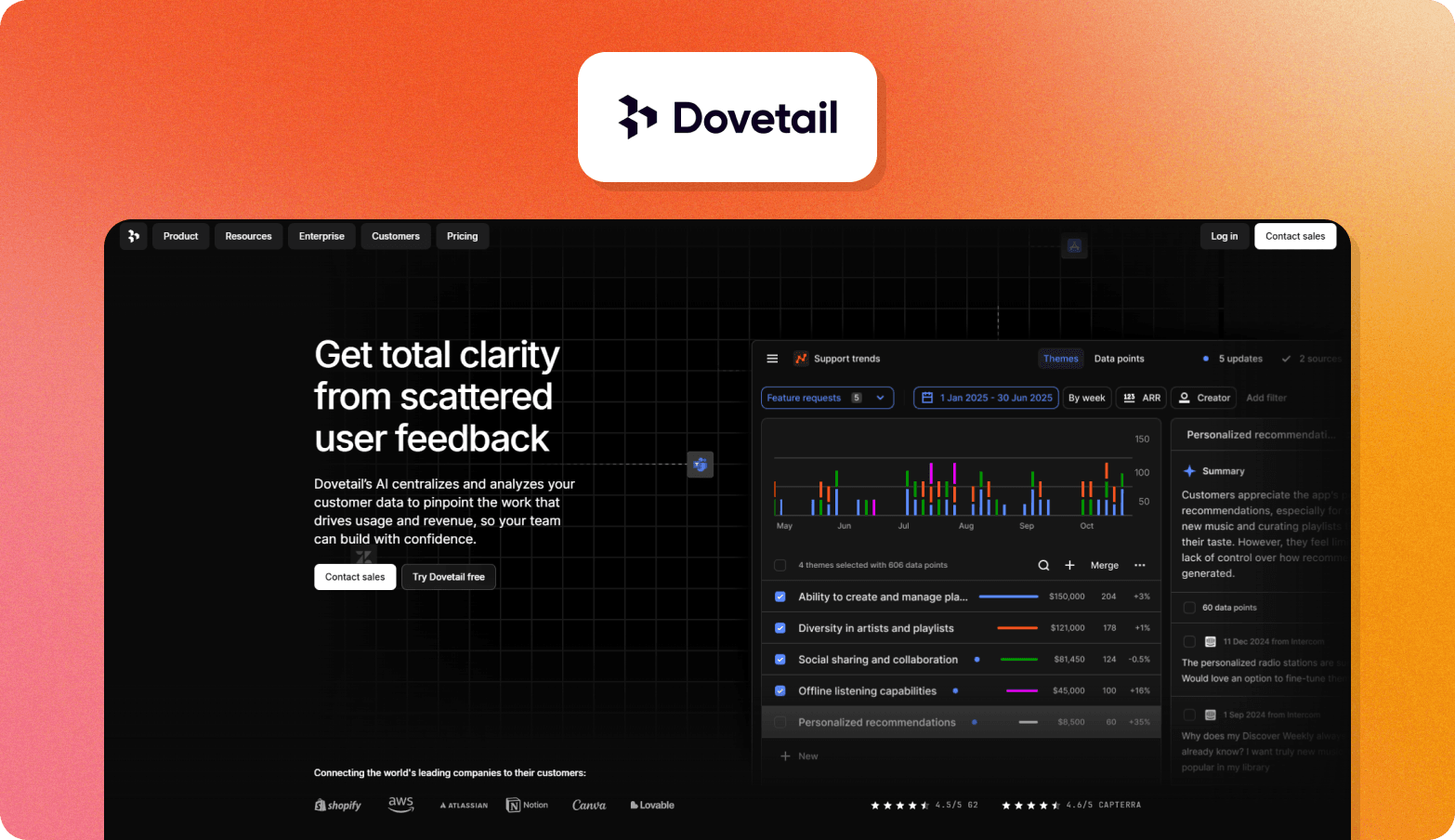
Dovetail is a research repository that stores and analyzes customer research collected in other tools.
Best for: Teams that already have a research process and need a central place to manage insights.
Core strength: It makes existing customer research easy to find, helping teams reuse evidence rather than start from scratch.
Key limitation: It doesn’t collect customer research. Teams need another platform to run studies before they can analyze them in Dovetail.
Pricing: A free plan is available. Enterprise pricing is available on request.
Compliance: Dovetail is SOC 2 Type II certified, GDPR compliant, and offers EU data hosting.
CDP and Activation Platforms
These platforms collect data across the customer journey and then activate it for personalization and targeting at scale. They're built for automation and reach, not for explaining customer or user behavior.
6. Segment
Segment (part of Twilio) collects customer data from across a company's digital touchpoints to create a customer profile and makes it available to the rest of its technology stack.
Best for: Marketing and data teams that want a single customer view across all of their tools.
Core strength: Segment creates a consistent customer profile that can be shared across more than 700 integrations. AI features build on that foundation with predictive analytics and personalization.
Key limitation: EU data residency is only available on the Business plan. Free and Team workspaces default to US infrastructure, so some organizations may need to upgrade to meet their data residency requirements.
Pricing: A free plan is available. Paid plans start at $120/month plus usage-based pricing, and enterprise pricing is available on request.
Compliance: Twilio publishes security and compliance information across its product portfolio, but it doesn't confirm which certifications apply specifically to Segment. EU data residency is available on the Business plan. New workspaces default to US infrastructure.
7. Treasure AI
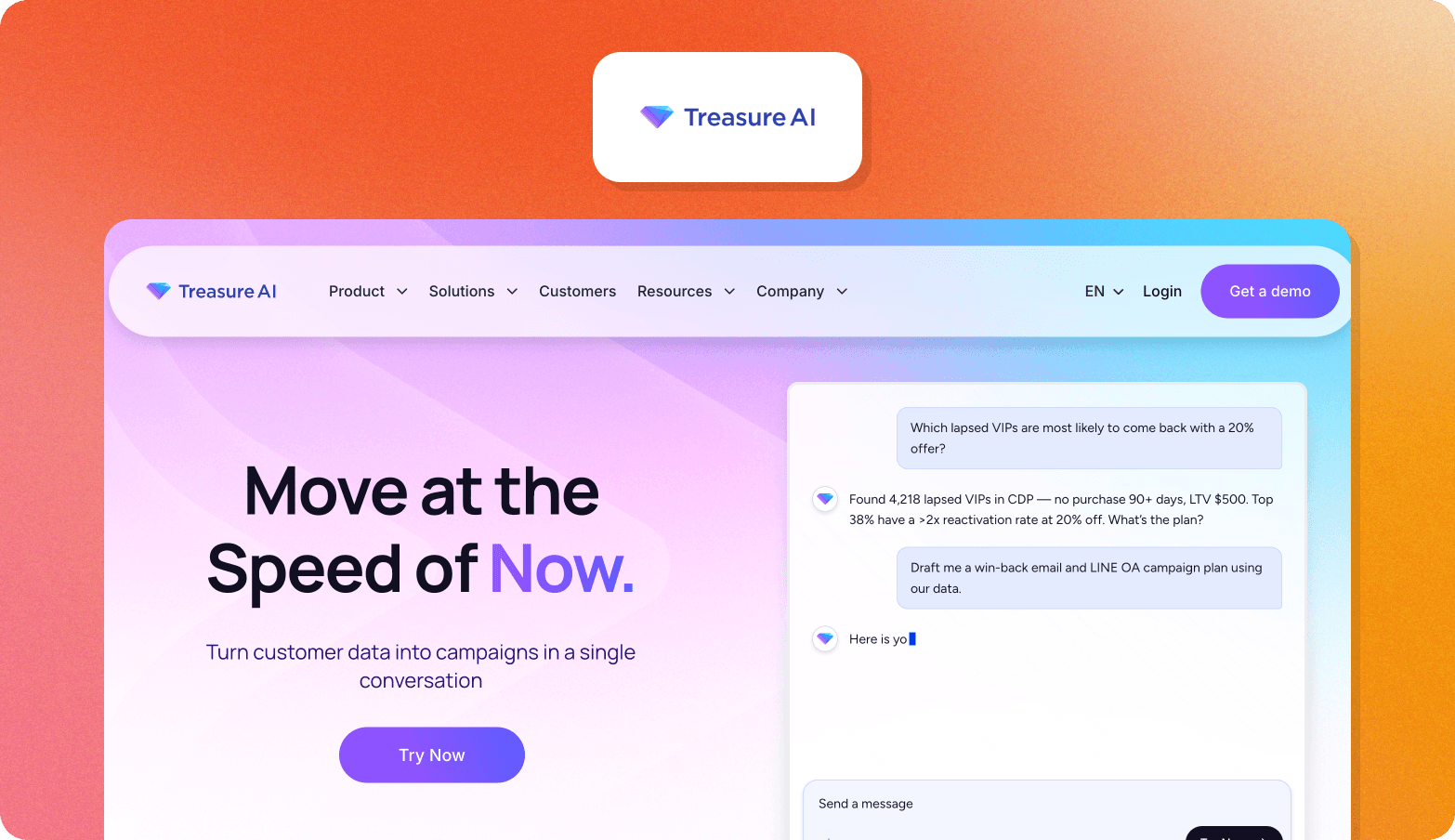
Treasure AI (formerly Treasure Data) is a customer data platform that puts AI at the center of audience building and personalization, rather than treating it as an add-on.
Best for: Enterprise marketing teams that want AI built into their customer data platform.
Core strength: Treasure AI uses unified customer data to personalize customer experiences and adapt campaigns in real time.
Key limitation: Full functionality is split across separate AI Suites rather than being included in a single product. That can make pricing and implementation more complex than a traditional CDP.
Pricing: Pricing is based on customer profiles and behavioral events. Plans are available on request.
Compliance: Treasure AI is SOC 2 Type II certified, GDPR compliant, and offers EU data residency.
8. Tealium
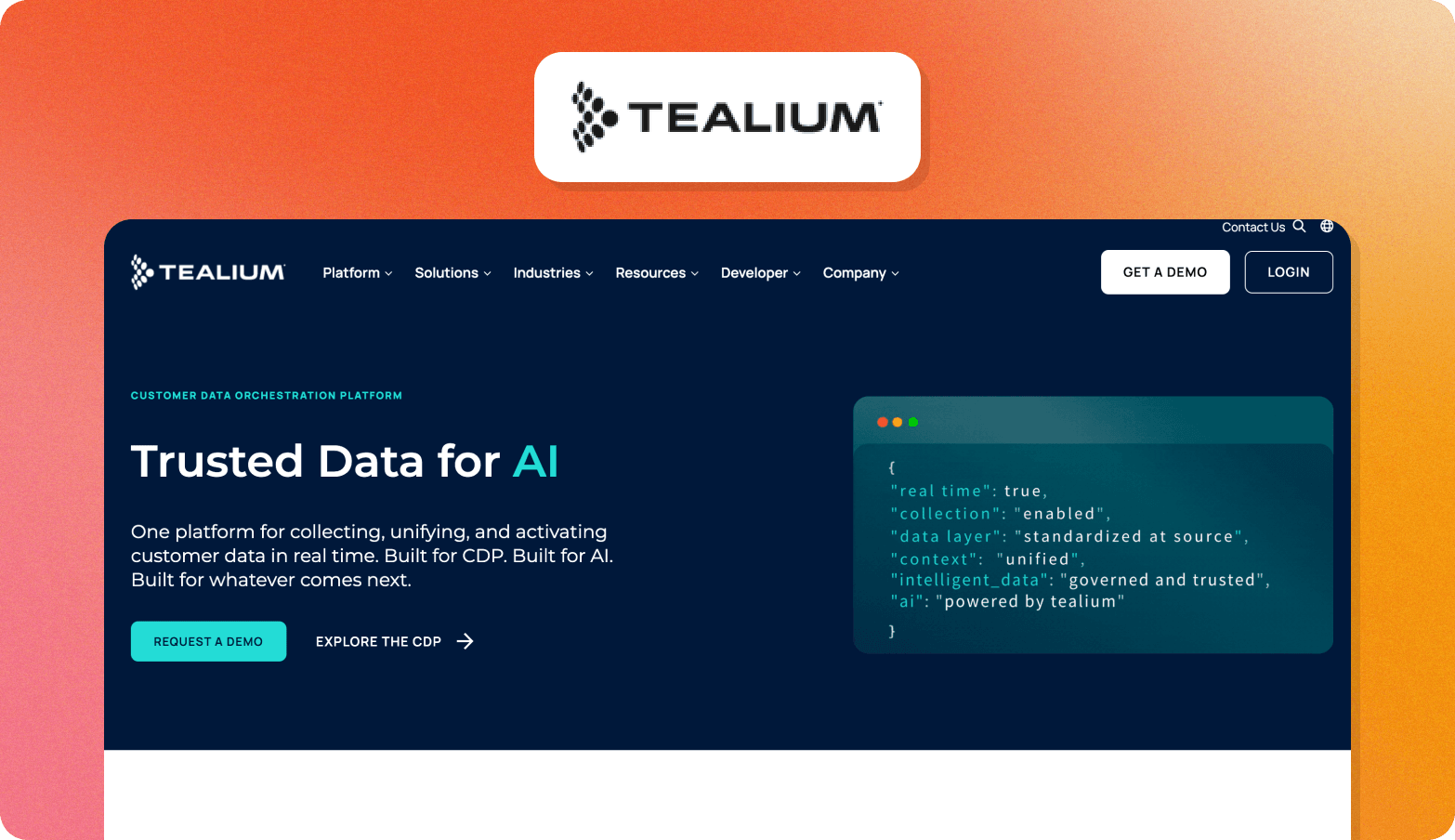
Tealium is a customer data platform focused on data governance. It prepares customer data before it's shared with other systems, helping large organizations keep that data accurate and compliant.
Best for: Enterprises with complex technology stacks that need stronger control over customer data and consent.
Core strength: Tealium updates customer profiles in real time and applies governance rules before data reaches downstream systems. That helps keep customer data consistent across connected tools.
Key limitation: Tealium doesn't publish pricing, so teams need to contact sales to evaluate costs.
Pricing: Available on request.
Compliance: Tealium is SOC 2 Type II certified, GDPR-compliant, and allows customers to choose where their data is hosted.
Social Listening and Brand Monitoring
These platforms are consumer intelligence software built for brand teams that need to track consumer behavior at scale, used primarily for broader market research and to gain a competitive advantage.
9. Brandwatch
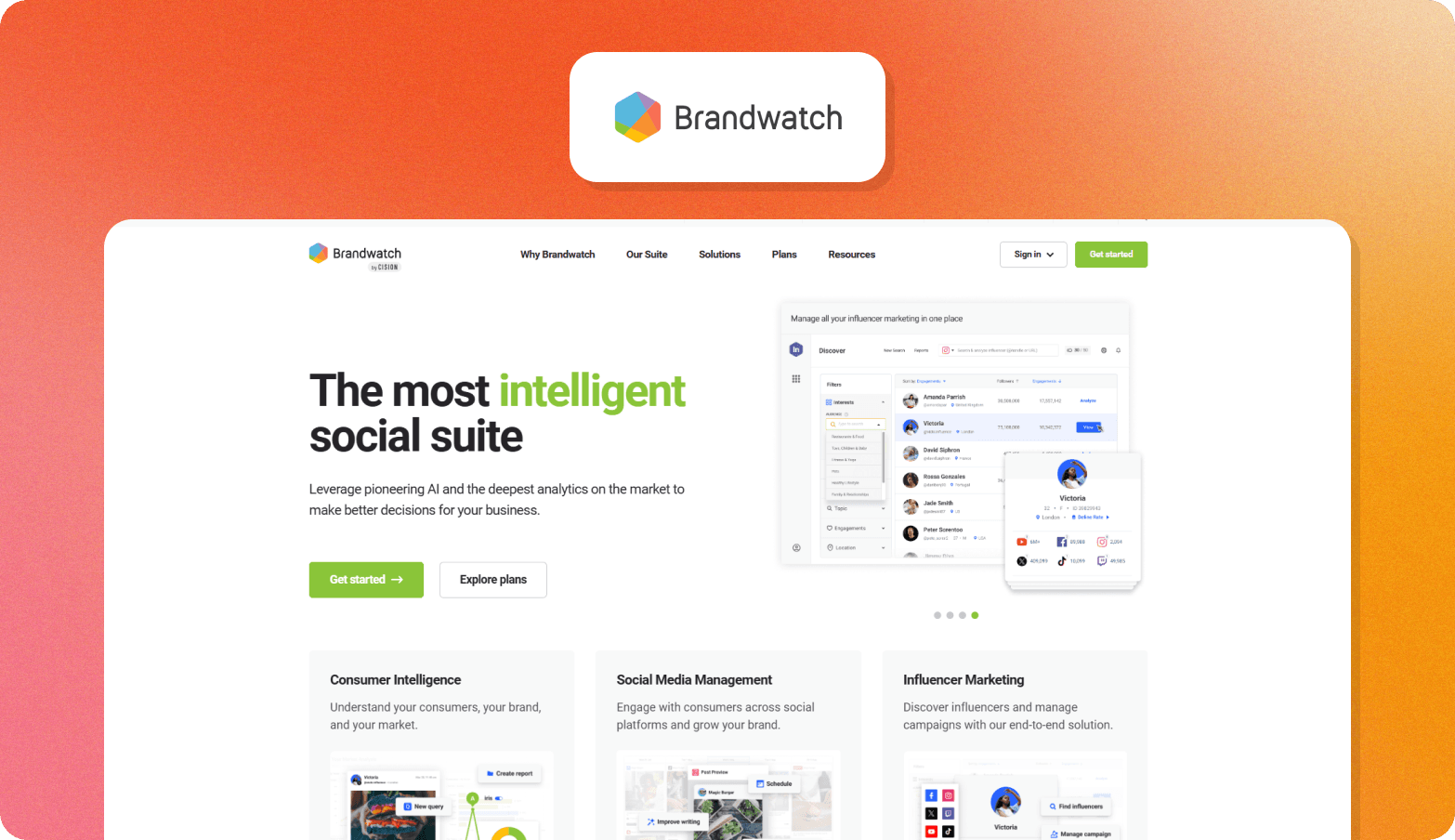
Brandwatch is a social listening platform that monitors public conversations about brands across social media channels, forums, news sites, and other online sources.
Best for: Communications and brand teams that need to monitor public sentiment and respond quickly to emerging issues.
Core strength: Brandwatch tracks online conversations in real time, helping teams spot changes in public opinion before they become bigger problems.
Key limitation: It monitors what people choose to say publicly, but it can't ask follow-up questions or confirm whether someone represents a real customer.
Pricing: Available on request.
Compliance: Brandwatch's public documentation doesn't confirm its SOC 2 status, GDPR compliance, or data hosting options. Check these details with the vendor directly.
10. Sprinklr
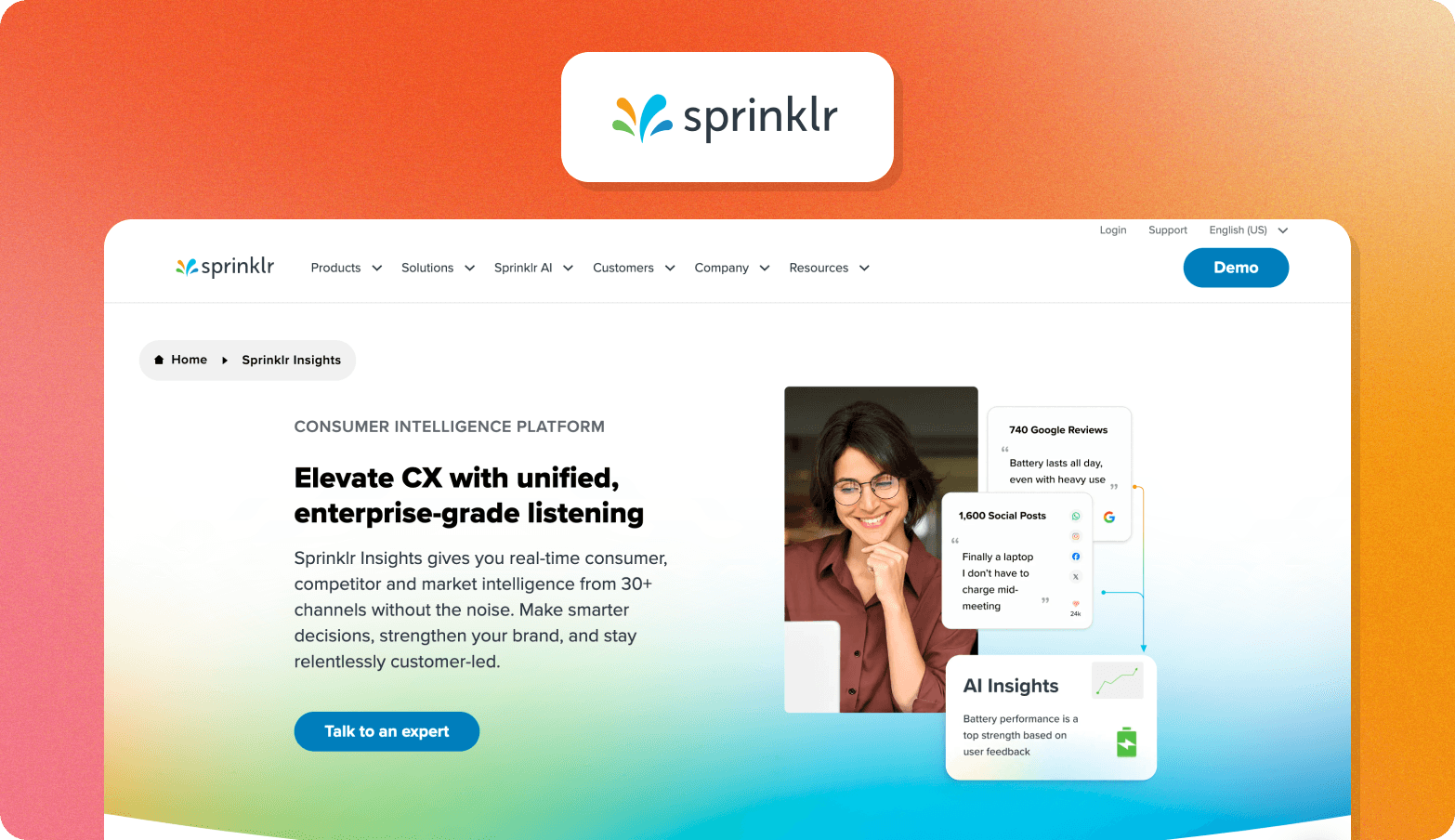
Sprinklr Insights is the social intelligence tool within Sprinklr's wider customer experience management platform, making it a good fit for organizations that want social listening alongside other customer-facing tools.
Best for: Enterprise brand and customer experience teams looking for social listening and sentiment analysis as part of a broader platform.
Core strength: Sprinklr monitors more than 30 social and digital channels in real time, using AI to identify trends and compare brand performance against competitors.
Key limitation: Social listening is only one part of the wider Sprinklr platform. Teams that only need monitoring may find it more complex than a dedicated social listening tool.
Pricing: Available on request.
Compliance: Sprinklr is SOC 2 Type II certified, GDPR compliant, and offers EU data hosting.
11. Talkwalker (Lumen by Talkwalker)
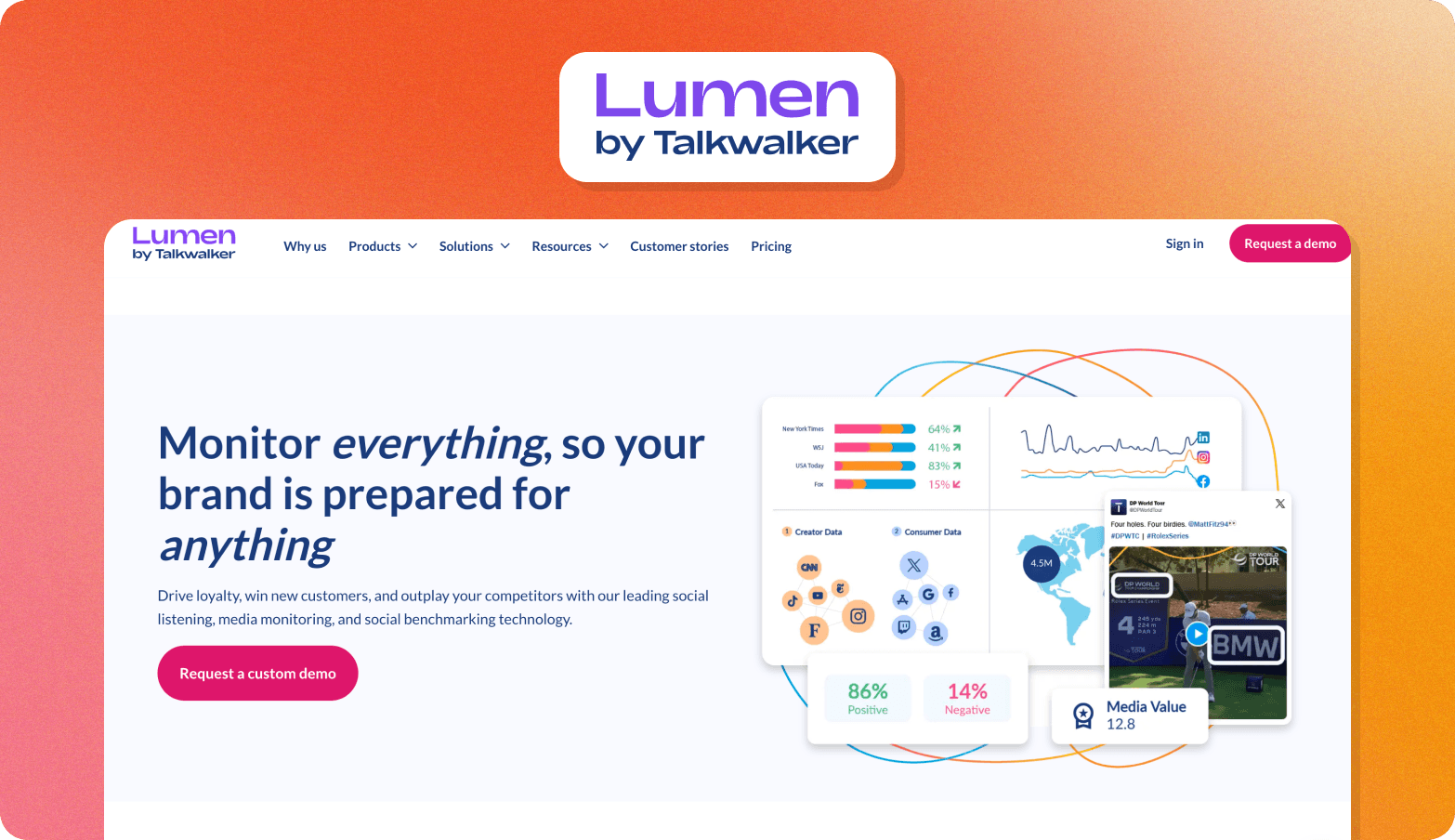
Talkwalker, now branded as Lumen by Talkwalker, is a social listening platform that monitors public conversations across social media, news, blogs, forums, and review sites.
Best for: Brand, PR, and marketing teams that need broad coverage of public conversations across multiple channels.
Core strength: Lumen monitors more than 150 million data sources without sampling, giving teams a more complete view of brand mentions. It also recognizes logos and products in images and videos, even when a brand isn't mentioned by name.
Key limitation: The amount of data you can access depends on your plan. Broader channel coverage and longer historical data are only available on higher tiers.
Pricing: Available on request.
Compliance: Lumen by Talkwalker is SOC 2 Type II certified, GDPR compliant, and uses EU-based data centers in Germany for its listening platform.
12. Quid
Quid (formerly NetBase Quid) is a social listening and market intelligence platform that combines public conversation and social data with a company's own business data.
Best for: Enterprise brand and insights teams that want to combine social listening with AI-enabled consumer intelligence.
Core strength: Quid brings together external data and internal business data, giving teams a broader view of customers, competitors, and market trends in one place.
Key limitation: Customer data must be anonymized before it's added to the platform, which can create extra work for teams that rely on identifiable customer records.
Pricing: Pricing isn't publicly available. A free trial is available on request.
Compliance: Quid states that its platform is GDPR compliant. It doesn't publicly confirm SOC 2 certification or EU data hosting, so you should confirm these details directly with the vendor.
13. Meltwater
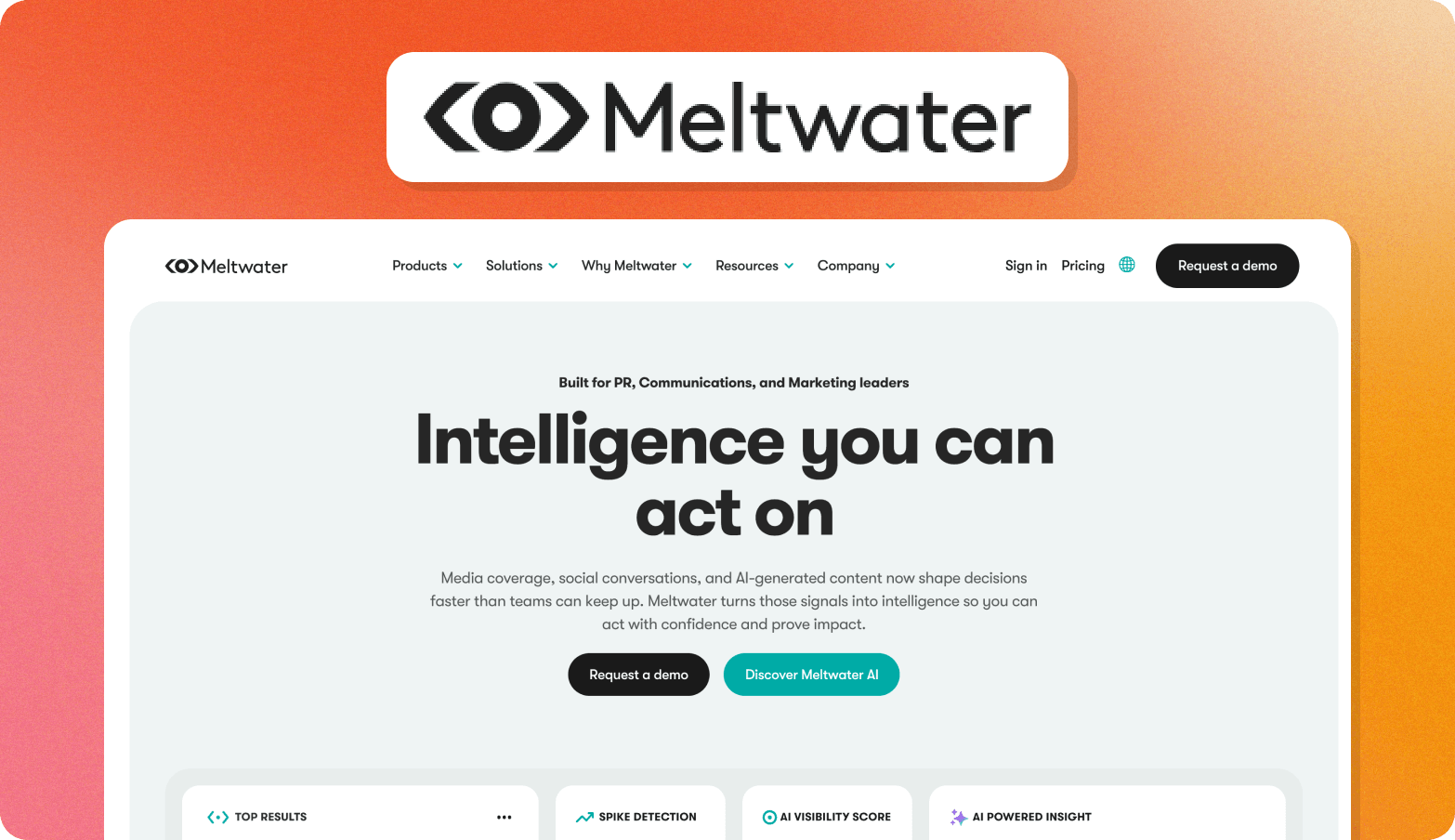
Meltwater is a media intelligence platform that combines social listening and news monitoring, helping brands understand how they're being discussed across both traditional and digital media.
Best for: PR, communications, and marketing teams that need media monitoring and social listening on a single platform.
Core strength: Meltwater brings news coverage, social conversations, and AI visibility into a single view, making it easier to track how a brand is represented across different channels.
Key limitation: Some advanced features, including AI capabilities and API access, are only available on higher-tier plans, so the platform becomes more capable as you move up the pricing tiers.
Pricing: Available on request.
Compliance: Meltwater is SOC 2 Type II certified, GDPR compliant, and offers EU data hosting.
Why Qualitative Research Is An Essential Part of Customer Intelligence
Consumer intelligence tools have gotten very good at data collection. CDPs unify it into one profile, and social listening tools track it at scale across millions of posts. What these types of tools still can't do is explain why customers behave the way they do.
This platform limitation shows up in three places most teams run into sooner or later:
A single NPS score collapses different problems into one number. A 3 out of 10 could mean a customer hates a new feature or hit a bug, but the score alone doesn't distinguish between them. Teams risk fixing the wrong problem, or fixing nothing at all.
Sentiment scores are hard to defend when someone pushes back. A dashboard showing a 12-point drop this week is just a number with no evidence to back it up. A timestamped video clip of a customer explaining their frustration is something you can point to.
Insights need somewhere to live. A churn study from Q1 is used for one roadmap decision, then sits forgotten on a shared drive until someone reruns an almost identical study a year later. Without a shared, searchable record of past studies, every new project starts from zero instead of building on what the last one found.
Tools that ground insights in real customer interactions, with evidence you can trace back to its source, provide one of the clearest benefits of consumer intelligence for brands. They turn customer intelligence into something stakeholders can act on, rather than just another chart in a deck.
That's why the rest of this guide focuses on qualitative research platforms: the customer research tools built to capture that depth.
6 Criteria for Choosing an Enterprise Qualitative Research Platform
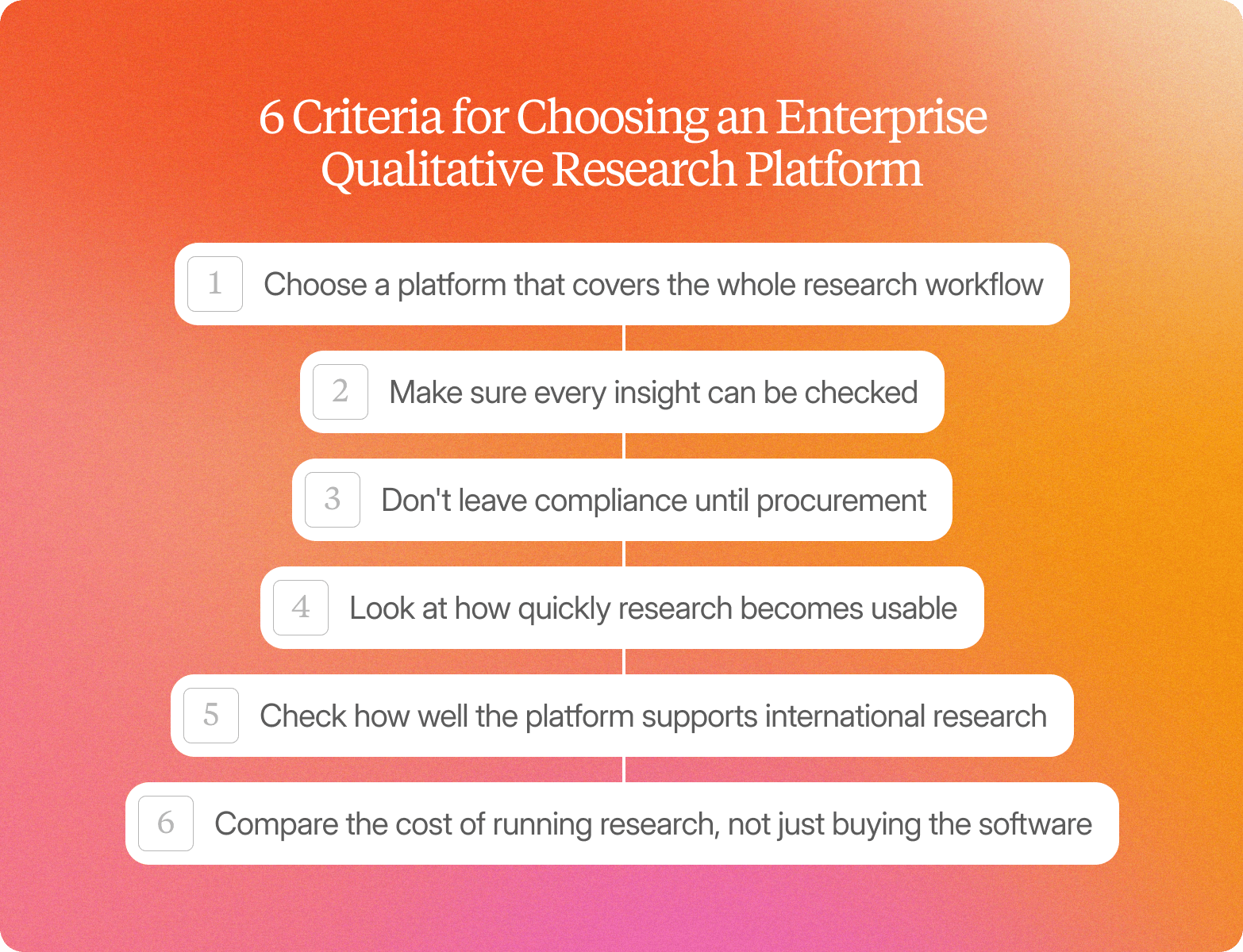
The best consumer intelligence tools for enterprises should fit the way your team works, produce findings that stakeholders can verify, meet security requirements, and deliver research quickly enough to influence decisions. Here’s what to look for in a qualitative research platform.
1. Choose a platform that covers the whole research workflow
Some platforms only handle parts of the research process, leaving you to do things like recruit participants or analyze data elsewhere. Every extra tool adds another handoff where consumer insights can get lost. Platforms that support the full workflow, from study setup to reporting, reduce admin and help teams run more research with the same resources.
2. Make sure every insight can be checked
Research is much easier to trust when every finding links back to the original evidence. Instead of relying on an AI summary alone, reviewers should be able to watch the relevant moment and read the supporting quote. That makes it easier to answer questions and build confidence in the results.
See the evidence: Watch how a Conveo report is packaged for stakeholders
3. Don't leave compliance until procurement
Security often decides whether a platform reaches the evaluation stage. Check for SOC 2 certification, GDPR compliance, and the location of customer data before investing time in a trial. If your organization needs EU data residency, confirm that it's available rather than assuming every vendor offers it.
4. Look at how quickly research becomes usable
Research only has value if it's ready before decisions are made. Automatic transcription and AI analysis can remove hours of manual work, but someone should still review the findings before they're shared. The goal isn't to replace researchers; it's to spend less time processing interviews and more time acting on what they tell you.
5. Check how well the platform supports international research
Global studies need more than language translation. A platform should be able to recruit participants in the markets you care about, moderate interviews in the required languages, and produce transcripts that teams can review without extra translation work. Those capabilities don't always come together, so check each one separately.
6. Compare the cost of running research, not just buying the software
The cheapest subscription isn't always the lowest-cost option. Some platforms charge per user, others by study or data volume. Think about how much research you'll be able to complete, because a platform that helps your team run twice as many studies may deliver better value than one with a lower monthly price.
The top consumer intelligence platforms don't all make the same trade-offs. Comparing them against these criteria makes it much easier to find a platform that fits your team and the way you work.
How the Qualitative Research Platforms Compare on Compliance and Evidence Traceability
The previous section explained what to look for in a qualitative research platform. The table below compares the five qualitative research platforms in this guide against two of the most important criteria for enterprise buyers: compliance and evidence traceability.
| Platform | SOC 2 | GDPR | EU Hosting | How findings link back to evidence |
|---|---|---|---|---|
| Conveo | ✓ | ✓ | ✓ | Every insight links to the original video clip and quote |
| Qualtrics | ✓ Type II | ✓ | ✓ (location varies by account) | Quotes and recordings available, but not every insight is linked automatically |
| Medallia | Not confirmed | Not confirmed | Not confirmed | No interview-based evidence traceability |
| UserTesting | ✓ Type II | ✓ | ✓ (EU, US or APAC) | Findings can link to recordings and clips, depending on the workflow |
| Dovetail | ✓ Type II | ✓ | ✓ | Insights link to uploaded transcripts, quotes and recordings |
Compliance data reflects publicly available information as of July 2026. Always confirm security and compliance details directly with the vendor before making a purchasing decision.
Most of these customer insights platforms offer similar compliance credentials. Evidence traceability is where the platforms differ more clearly. Conveo is designed to link every insight back to the original video clip and quote. Qualtrics, UserTesting, and Dovetail offer some level of traceability, but it depends on the feature being used or the data available. Medallia doesn't provide this because it doesn't conduct qualitative interviews.
If you're comparing qualitative research platforms, this is often one of the clearest differences between them. The easier it is to verify a finding, the easier it is for stakeholders to trust it and act on it.
"The pace, responsiveness, and research expertise of the Conveo team, on top of the top AI-moderated qual platform, have been invaluable to us in scaling brand advertising internationally."
Matt Harris, Research & Insights Lead at Canva
How Conveo Delivers Fast Consumer Intelligence from Real Conversations
The platforms in this guide all help businesses understand their customers, but they don't all solve the same problem. Conveo is built for teams that need fast, qualitative research at enterprise scale, with a workflow that produces findings stakeholders can verify themselves. Here’s how:
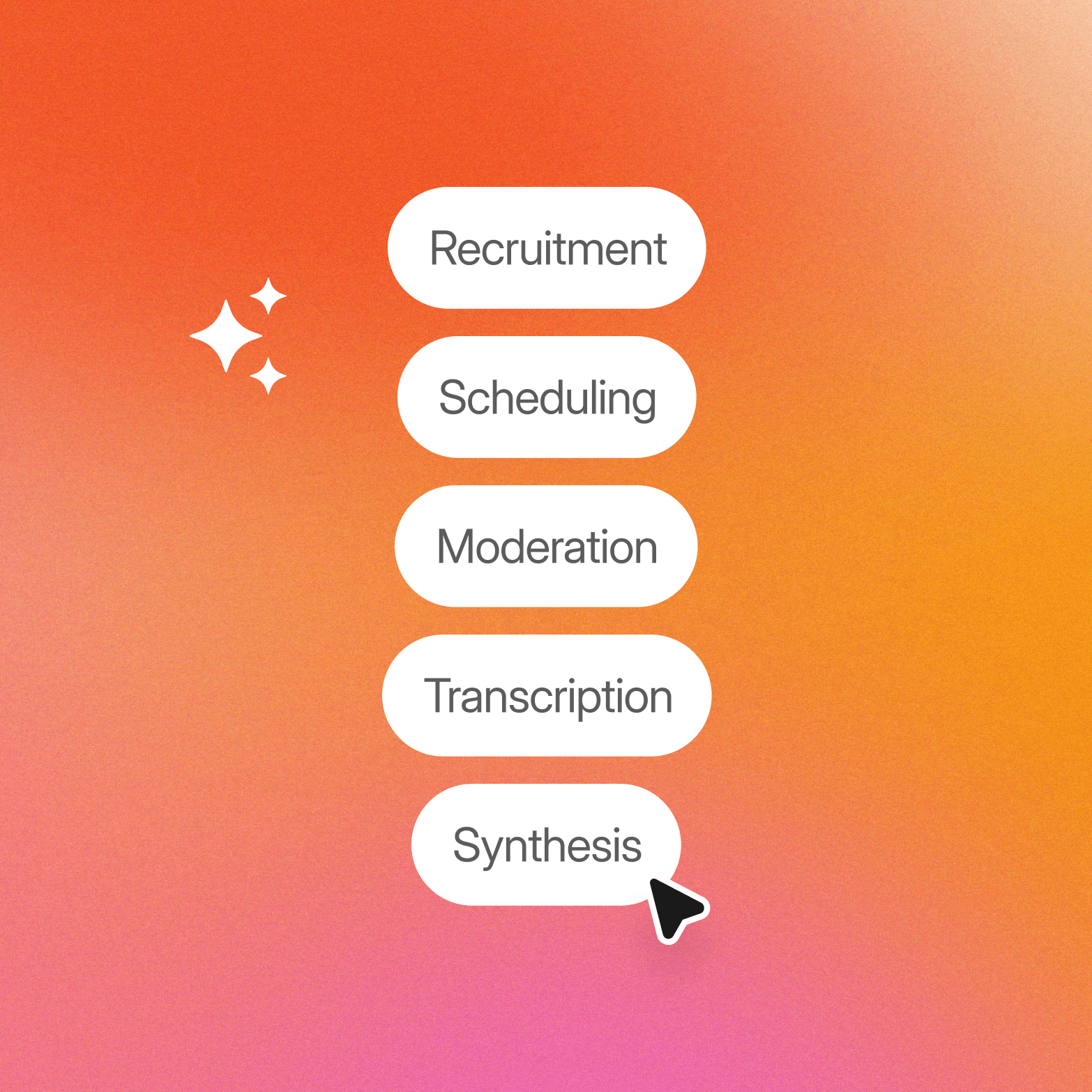
Everything happens in one platform. Teams can design a study, recruit participants through integrated panel partners, run AI-moderated video interviews, analyze the results, and share reports without moving data between different tools. That reduces the time spent on handoffs and lets researchers focus on the study rather than the process.
Every finding links back to the original evidence. Stakeholders can open the interview, watch the relevant video clip, and read the supporting quote instead of relying on an AI summary alone. That makes it easier to explain how each conclusion was reached and build confidence in the results.
Research also becomes more useful over time. Instead of each project sitting in its own folder, every study is added to a searchable knowledge library. Teams can ask questions in natural language, find related interviews from past projects, and build on existing research rather than starting from scratch every time.
For enterprise insights and CMI teams evaluating consumer intelligence platforms, Conveo is built to provide the qualitative depth and traceable evidence that stakeholders need before they act.
Frequently Asked Questions
What is a customer intelligence tool?
A customer intelligence tool helps businesses understand their customers by integrating information from multiple sources. The category includes customer data platforms (CDPs), qualitative research platforms, and social listening tools, each answering different questions about customer behavior and decision-making.
What's the difference between CDPs and consumer intelligence tools?
A CDP collects, organizes, and activates customer data for marketing and personalization. Qualitative consumer intelligence tools focus on customer conversations, helping teams understand why people behave the way they do. Most enterprise organizations use both because they solve different problems.
How should I compare consumer intelligence tools for enterprise use?
To compare the top brand intelligence consumer insights tools for enterprise, start by looking at how well each platform fits your research workflow. Consider whether it provides traceable evidence, meets your compliance requirements, delivers results quickly, supports the markets and languages you work in, and offers good value based on the amount of research your team can complete.
Why does evidence traceability matter?
Research is much easier to trust when every finding links back to the original evidence. The best consumer intelligence platforms for brands connect insights to timestamped video clips or quotes, making it easier for stakeholders to verify conclusions and make decisions with confidence.
Can one platform replace all my consumer intelligence tools?
No. Customer data platforms, qualitative research platforms, and social listening tools each serve a different purpose. Most organizations choose the platform that solves their biggest problem first, then add other tools where they need additional capabilities.
How is customer intelligence used in retail?
Consumer intelligence for retailers usually means applying the same platforms in this guide to retail-specific questions such as why shoppers abandon a cart, which products drive repeat visits, and how the in-store customer experience compares to the online experience.

About the author
Dieter De Mesmaeker
Co-Founder & CEO
Dieter is CEO and co-founder of Conveo. Before starting the company, he founded DataCamp and scaled it into one of the leading edtech platforms in the world.
More by Dieter →Qualitative insights at the speed of your business.
Conveo runs AI-moderated video interviews and structures everything they say.